What Is the Serengeti Great Wildlife Migration?
August 22, 2026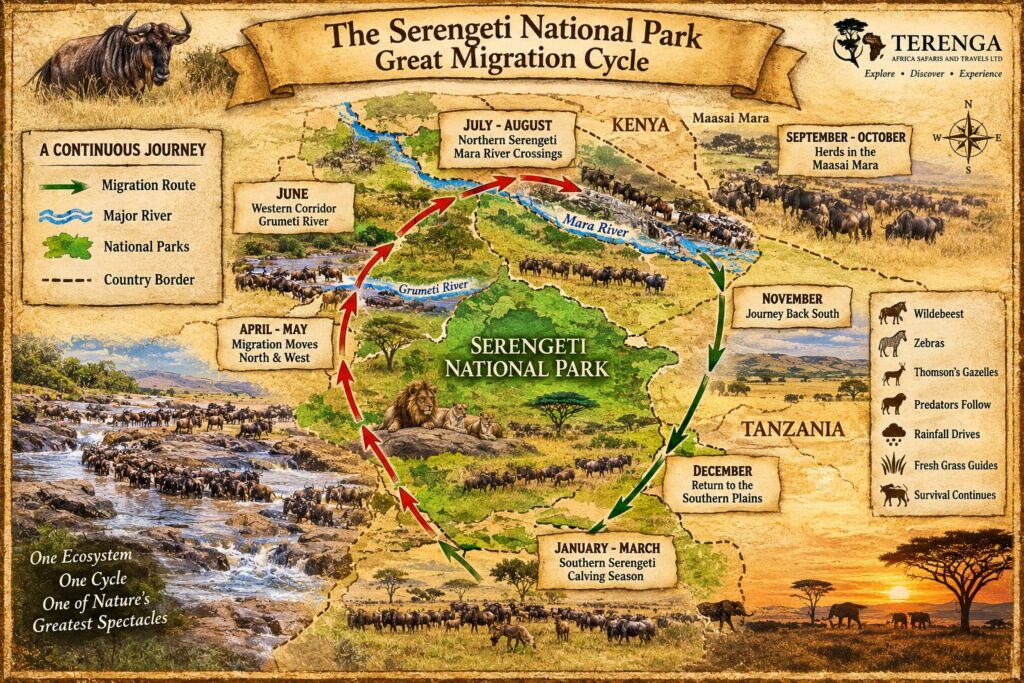
The Complete Serengeti Great Migration Cycle Explained
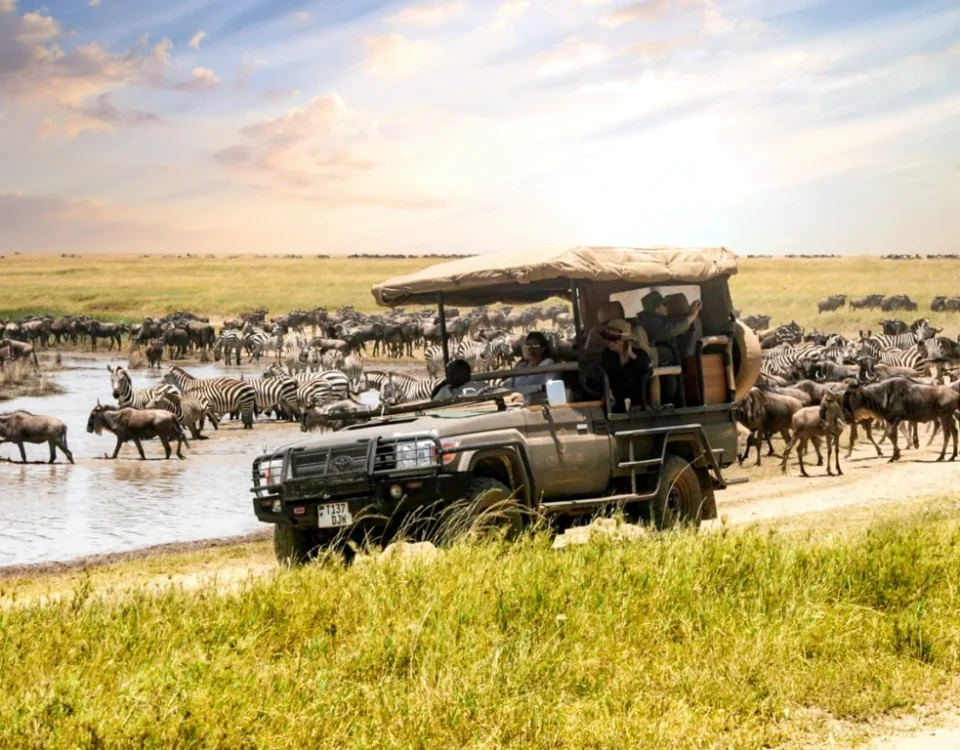
The Complete Serengeti Great Migration Cycle Explained begins with one remarkable fact. The migration follows nature’s rhythm rather than a fixed calendar. More than one million wildebeest move across the Serengeti-Mara ecosystem each year. Hundreds of thousands of zebra and gazelle accompany the herds. Together, these animals create one of Africa’s greatest wildlife spectacles.
The Complete Serengeti Great Migration Cycle Explained helps travelers understand this natural movement. Each season brings different landscapes, wildlife behavior, and safari opportunities. Therefore, choosing the right travel period requires more than checking a migration calendar.
The Serengeti remains famous for vast grasslands and exceptional wildlife viewing. The park also supports lions, leopards, elephants, buffaloes, cheetahs, and black rhinos. Its landscapes include open plains, kopjes, woodlands, rivers, and seasonal wetlands.
At Terenga Africa Safaris and Travels Ltd, we approach Tanzania safaris through practical destination knowledge. We consider wildlife movement, seasonal conditions, accommodation location, and traveler interests. This approach creates realistic safari expectations and better travel planning.
Consequently, this guide provides a complete view of the migration cycle. It explains calving, grazing, rutting, river crossings, and the return toward southern plains. It also explores cultural experiences around Serengeti safari lodges.
Understanding the Great Migration
A Natural Annual Movement
The Great Migration represents a continuous search for food and water. The herds move through the greater Serengeti-Mara ecosystem throughout the year. Their movement responds to rainfall, grass growth, water availability, and reproductive cycles.
Importantly, the migration does not begin and end on one specific date. Weather patterns can influence the exact location of the herds. Therefore, travelers should treat monthly migration patterns as general guides.
The Complete Serengeti Great Migration Cycle Explained becomes clearer when viewed as one continuous journey. The animals complete different stages across Tanzania and Kenya. Serengeti remains the central destination for many of these movements.
Tanzania’s official tourism information identifies the Serengeti as a major migration destination. The park supports enormous wildlife concentrations across diverse habitats.
For this reason, Tanzania wildlife safaris offer more than migration viewing. Travelers can combine migration experiences with Big Five game drives. They can also explore cultural heritage and surrounding conservation landscapes.
January to March: The Calving Season
New Life on the Southern Plains
The Complete Serengeti Great Migration Cycle Explained must begin with calving season. January often finds large herds across the southern Serengeti and Ndutu area. The exact location depends on rainfall and grass conditions.
Fresh rains transform the southern plains during this period. Short grasses provide highly nutritious feeding grounds for pregnant wildebeest. The abundant grass supports mothers and their newborn calves.
February usually delivers spectacular wildlife activity around the calving areas. Hundreds of thousands of calves can arrive within a relatively short period. TANAPA identifies the southern Serengeti as a major calving area.
Predators also become highly active during this season. Lions, cheetahs, hyenas, and other predators follow the herds. Young calves create opportunities for dramatic predator-prey encounters.
However, the season offers much more than predator sightings. Travelers can observe maternal behavior, herd protection, feeding, and movement. Photographers also enjoy soft light and expansive grassland landscapes.
March can continue the calving experience before the herds begin moving northward. Therefore, January through March remains valuable for Tanzania wildlife safaris.
April to May: The Journey North Begins
Following Fresh Grass
The Complete Serengeti Great Migration Cycle Explained continues as grazing conditions change. After calving, the herds gradually begin moving away from southern plains. Rainfall patterns influence their direction and speed.
April can bring greener landscapes and fewer safari vehicles. Travelers seeking quieter Tanzania safari experiences may find this period attractive. However, rainfall can affect road conditions and daily safari schedules.
As the herds move north, they pass through central Serengeti areas. The movement remains dynamic rather than predictable. Some groups may remain behind while others advance toward northern grazing grounds.
May often brings increasing herd movement toward the Western Corridor. The Grumeti region becomes particularly important during this stage. The herds encounter river systems while searching for better grazing.
This period also supports excellent resident wildlife viewing. Lions, leopards, elephants, giraffes, buffaloes, and many antelope species remain active. Therefore, travelers still enjoy rewarding Tanzania wildlife tours beyond migration sightings.
June: The Western Corridor Experience
The Grumeti Region
The Complete Serengeti Great Migration Cycle Explained reaches another fascinating stage in June. Many herds gather around the Western Corridor as they continue northward. Grass conditions and water availability shape their movements.
The Grumeti River forms one of the notable obstacles along this route. Large crocodiles inhabit sections of the river. The crossing environment creates intense wildlife interactions during suitable conditions.
However, travelers should avoid treating every June safari as a guaranteed crossing experience. Migration movements remain natural and unpredictable. Some herds may arrive earlier or later than expected.
June also provides excellent general game viewing. The landscape begins drying after the wetter months. Wildlife becomes easier to locate around remaining water sources.
For visitors seeking Tanzania adventure safaris, this season provides diverse experiences. Game drives can combine migration viewing with predator encounters. Balloon safaris can also provide spectacular aerial views of the Serengeti landscape.
The official Tanzania tourism platform lists balloon experiences among Serengeti activities.
July to October: The Northern Serengeti and River Crossings
The Most Anticipated Migration Stage
The Complete Serengeti Great Migration Cycle Explained often focuses heavily on July through October. During these months, many herds move through northern Serengeti. Some groups approach the Mara River and cross toward Kenya.
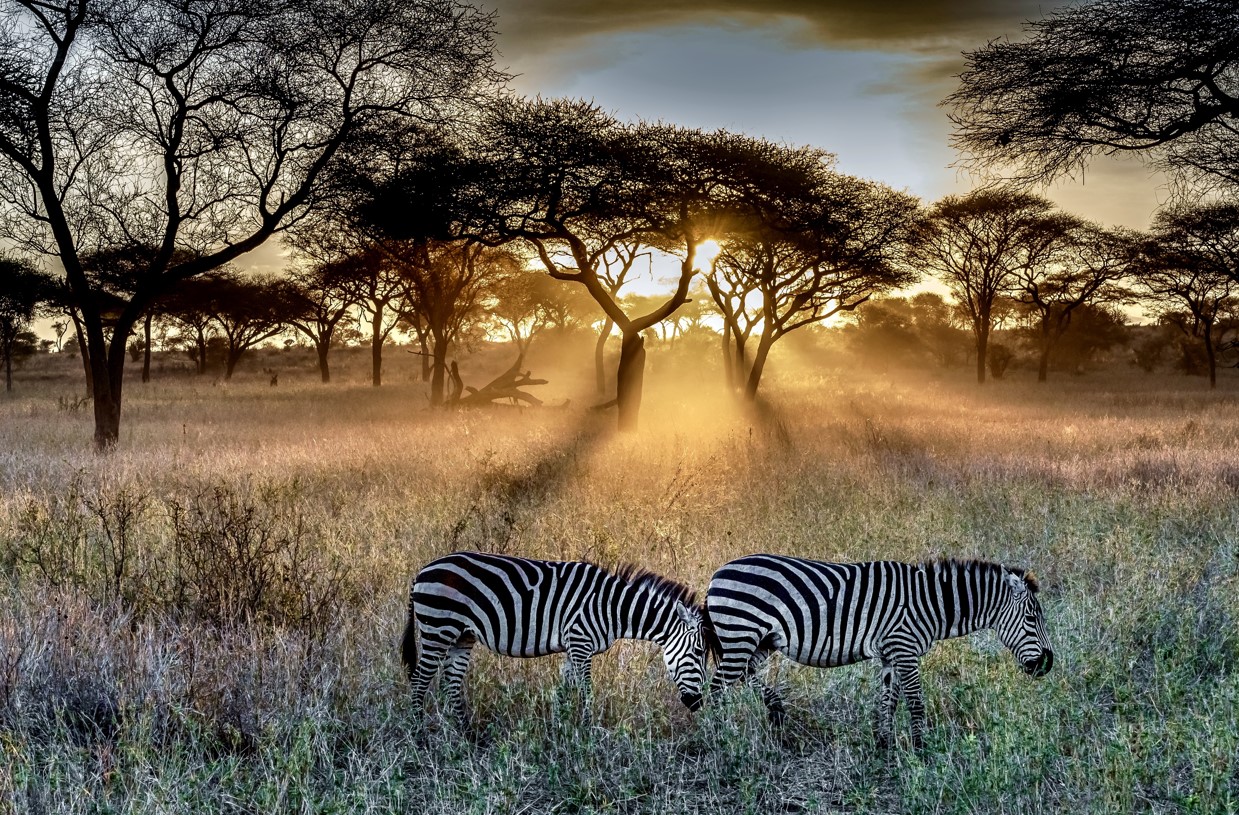
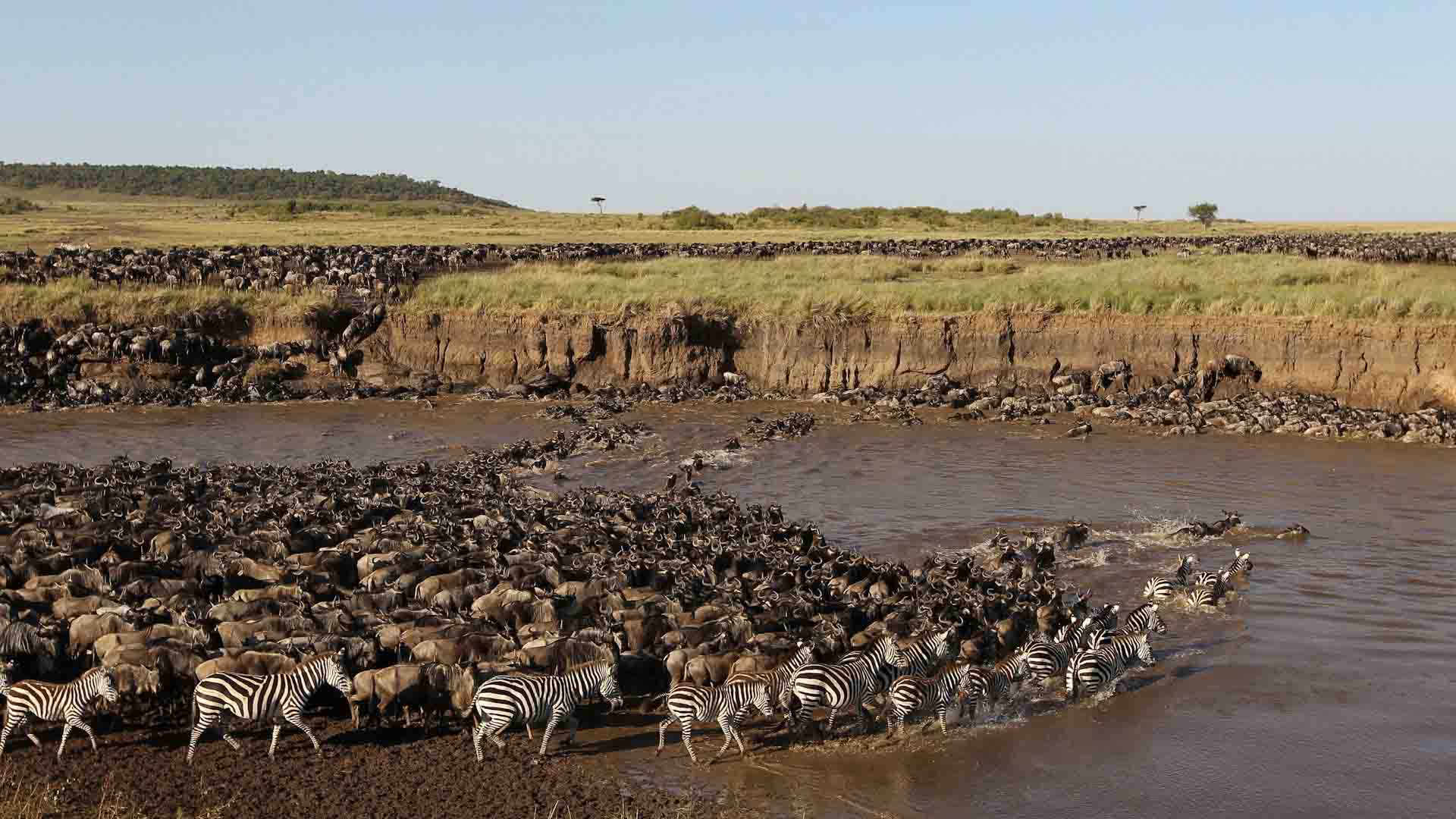
River crossings create extraordinary wildlife scenes. Thousands of animals may gather near riverbanks before attempting a crossing. Others may wait for hours or change direction completely.
Therefore, patience becomes essential during migration safaris. A skilled guide reads animal behavior and monitors movement patterns. Travelers should prepare for long game drives and changing conditions.
The Mara River remains vital to the ecosystem during the dry season. Its water supports wildlife when other seasonal sources decline.
Importantly, river crossings involve genuine natural risk. Crocodiles, strong currents, steep banks, and herd pressure create dangerous conditions. Travelers should never expect animals to cross simply because vehicles gather nearby.
The northern Serengeti also offers excellent resident wildlife. Lions, leopards, elephants, giraffes, buffaloes, and numerous antelope species thrive there.
Why River Crossings Cannot Be Guaranteed
Nature Controls the Schedule
The Complete Serengeti Great Migration Cycle Explained must address one common misunderstanding. No responsible safari operator should guarantee a river crossing.
Animal behavior changes constantly. Rainfall can alter grass conditions and water levels. Herds can also split into different groups across large distances.
Consequently, a safari itinerary should remain flexible. Experienced guides can track recent herd movements and adjust routes when possible. Still, nature determines the final outcome.
A responsible Tanzania safari focuses on the entire wildlife experience. River crossings provide one extraordinary possibility. They should never define the entire value of a Serengeti safari.
Even without crossings, northern Serengeti offers exceptional wildlife viewing. The region provides dramatic landscapes and strong predator activity. Travelers can also enjoy quieter moments away from busy viewing areas.
This realistic approach creates trust between safari operators and travelers. It also reflects responsible tourism practices.
November to December: The Return Journey
Moving Toward the Southern Plains
The Complete Serengeti Great Migration Cycle Explained continues after the northern experience. Short rains usually begin influencing the ecosystem during November. The herds gradually move toward central and southern Serengeti.
Fresh grass attracts animals toward areas with improved feeding opportunities. The movement can occur quickly when rainfall creates suitable grazing.
December often finds many herds approaching southern areas again. The cycle begins preparing for another calving season.
This stage offers an excellent alternative for travelers avoiding peak-season crowds. Green landscapes create beautiful photography conditions. Migratory birds also add variety to Tanzania wildlife safaris.
The Serengeti therefore remains rewarding throughout the year. Travelers should choose dates according to their preferred experiences rather than migration hype alone.
The Complete Migration Cycle at a Glance
A Practical Seasonal Guide
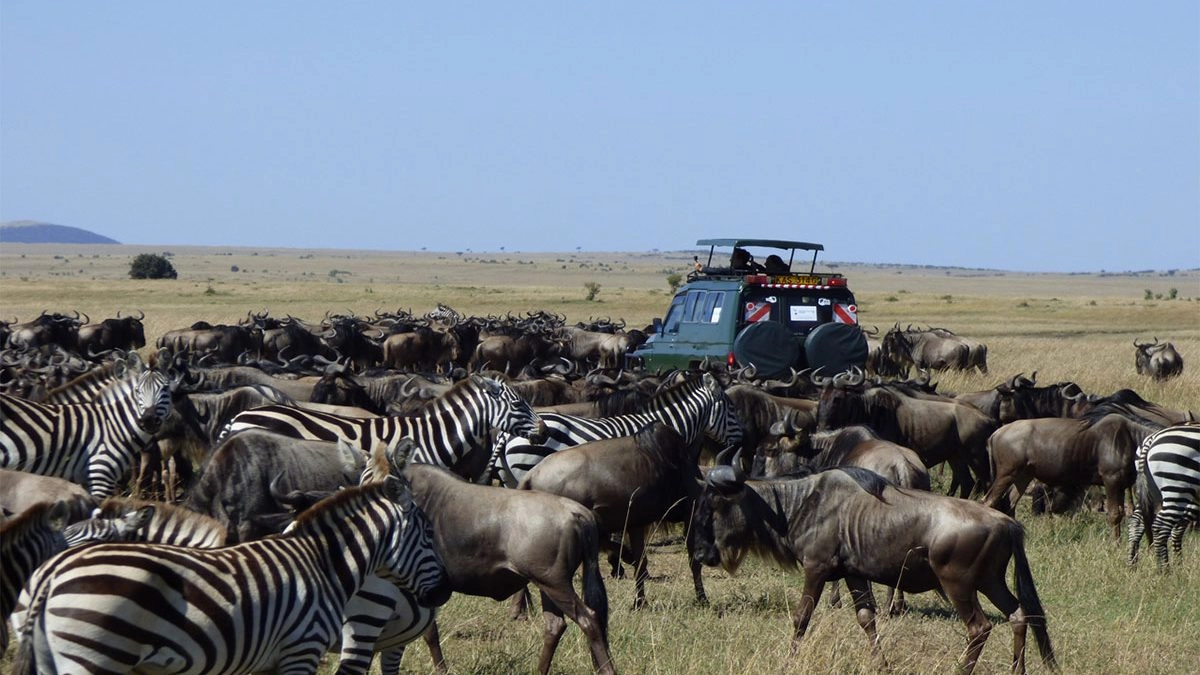
The Complete Serengeti Great Migration Cycle Explained becomes easier through a simple seasonal structure.
January to March: Southern Serengeti calving season.
April to May: Movement toward central and western Serengeti.
June: Western Corridor and Grumeti region.
July to October: Northern Serengeti and potential Mara River crossings.
November to December: Return toward central and southern Serengeti.
These periods provide useful planning guidelines rather than guaranteed animal locations. Rainfall remains one of the strongest influences on migration movements.
Therefore, professional safari planning should consider recent conditions. Accommodation location also matters greatly. A lodge near the southern plains serves different migration goals from one in northern Serengeti.
Choosing the Right Serengeti Safari Lodge
Location Matters
The Complete Serengeti Great Migration Cycle Explained cannot ignore accommodation location. Serengeti covers an enormous landscape. Driving from one region to another can take several hours.
Travelers should select lodges based on their preferred migration stage. Southern properties suit calving-season trips. Central lodges offer balanced access to resident wildlife and migration routes.
Western properties work well for Grumeti experiences. Northern lodges provide stronger access to Mara River areas during suitable periods.
Luxury travelers can choose premium tented camps and lodges. Budget-conscious visitors can select comfortable mid-range camps. Mobile camps can also provide seasonal proximity to wildlife movements.
At Terenga Africa Safaris and Travels Ltd, we match accommodation with itinerary objectives. This approach reduces unnecessary driving and improves daily safari time.
Cultural Experiences Around Serengeti Safari Lodges
Maasai Cultural Encounters
The Complete Serengeti Great Migration Cycle Explained should include the people connected to this landscape. Cultural tourism adds important depth to wildlife experiences.
Maasai communities live across parts of the wider Serengeti and Ngorongoro region. Visitors can experience traditional dances, storytelling, crafts, and community activities through responsible cultural visits.
A Maasai village visit can provide insight into pastoral traditions. Travelers may learn about livestock, traditional homes, beadwork, and community life. Cultural activities should always respect local customs and community choices.
Traditional Beadwork and Crafts
Beadwork provides another meaningful cultural experience. Visitors can support local artisans by purchasing authentic handmade crafts.
Such purchases create direct economic value for communities. Travelers should choose community-based experiences with transparent benefit-sharing arrangements.
Traditional Dance and Music
Traditional dance creates a lively cultural connection. Ngoma traditions remain important across Tanzania’s communities. Music, drumming, movement, and storytelling form important parts of cultural expression.
A cultural evening can complement a wildlife-focused Tanzania adventure safari. It creates a balanced experience between nature and people.
Local Food Experiences
Some cultural programs provide opportunities to experience local cuisine. Travelers can explore traditional ingredients and cooking practices.
However, food experiences vary between communities and safari properties. Travelers should confirm available activities before booking.
Cultural Heritage Extensions
Travelers with additional time can extend their journey toward Ngorongoro. The region combines remarkable wildlife with living Maasai communities.
Olduvai Gorge also adds archaeological depth to northern Tanzania itineraries. Tanzania’s tourism authority highlights the area’s importance to human history.
Wildlife Beyond the Migration
The Big Five Experience
The Complete Serengeti Great Migration Cycle Explained should never reduce Serengeti to wildebeest alone. The park offers outstanding resident wildlife throughout the year.
Lions frequently dominate open grassland areas. Leopards prefer woodland and riverine habitats. Cheetahs thrive across open plains where visibility supports hunting.
Elephants move through woodlands and grasslands. Buffaloes gather around water and productive grazing areas. Black rhinos occur in protected Serengeti habitats, including areas around the Moru Kopjes.
Consequently, a Tanzania wildlife tour can deliver exceptional experiences outside migration periods. Visitors may also encounter giraffes, hippos, hyenas, jackals, warthogs, and numerous antelope species.
Birdwatchers also benefit from Serengeti’s diverse habitats. Migratory and resident birds add color and activity throughout the safari year.
Photography During the Great Migration
Capturing Wildlife Responsibly
The Complete Serengeti Great Migration Cycle Explained also matters to wildlife photographers. Each migration stage creates different photographic opportunities.
Calving season offers intimate scenes involving mothers and young calves. The Western Corridor provides dramatic landscapes and river environments. Northern Serengeti offers opportunities for migration panoramas and potential crossings.
Photographers should carry appropriate lenses and protect equipment from dust. Early morning and late afternoon often provide excellent natural light.
Responsible photography remains essential. Travelers should avoid disturbing animals for better images. Guides should maintain respectful distances and follow park regulations.
The best photograph often comes from patience rather than pursuit. A calm approach also creates better wildlife experiences.
Planning Your Tanzania Wildlife Safari
Match Your Dates to Your Priorities
The Complete Serengeti Great Migration Cycle Explained provides a foundation for itinerary planning. Your preferred experience should determine your travel period.
Choose January through March for calving and predator activity. Consider June for the Western Corridor and Grumeti region. Select July through October for northern migration experiences and potential river crossings.
November and December offer green landscapes and return movements. These periods can also provide attractive photography conditions.
Furthermore, combine Serengeti with other northern Tanzania destinations. Ngorongoro, Tarangire, and Lake Manyara can create a diverse safari itinerary.
A longer itinerary allows more flexibility when following wildlife movement. Shorter trips require stronger accommodation and route planning.
Safari Inclusions
- Airport transfers
- Private safari vehicle
- Professional English-speaking safari guide
- Park entrance fees
- Game drives
- Accommodation
- Meals as stated
- Drinking water
- Migration tracking
- Cultural experience
- Government taxes
- Emergency support
Safari Exclusions
- International flights
- Tanzania visa fees
- Travel insurance
- Personal expenses
- Alcoholic drinks
- Laundry services
- Tips
- Souvenirs
- Optional activities
- Additional accommodation
- Personal medical expenses
Responsible and Sustainable Serengeti Travel
Protecting the Migration
The Complete Serengeti Great Migration Cycle Explained also reveals the importance of conservation. The migration supports an interconnected ecosystem across national boundaries.
Wildebeest influence grassland productivity through grazing and nutrient cycling. Their movement also supports predators and scavengers. Therefore, protecting migration routes benefits many species.
Responsible travelers can contribute through ethical safari choices. Choose operators who respect park regulations and wildlife viewing guidelines.
Avoid feeding animals or encouraging unnatural behavior. Keep noise levels low during wildlife encounters. Never pressure guides to approach animals irresponsibly.
Cultural respect also matters. Ask permission before photographing people. Support community enterprises and purchase authentic local crafts.
Sustainable tourism can strengthen conservation and community livelihoods simultaneously.
Why Choose Terenga Africa Safaris and Travels Ltd?
Experience That Supports Better Planning
The Complete Serengeti Great Migration Cycle Explained requires practical safari knowledge. Terenga Africa Safaris and Travels Ltd focuses on carefully planned African travel experiences.
Our approach combines wildlife interests, accommodation preferences, travel seasons, and budget considerations. We create itineraries around realistic expectations rather than unrealistic guarantees.
Every safari should feel personal. Some travelers prioritize photography and wildlife density. Others prefer luxury, cultural immersion, adventure, or quieter landscapes.
Therefore, we tailor Tanzania safaris around individual travel goals. Our destination-focused approach helps travelers understand what each season can offer.
We also encourage travelers to explore Tanzania beyond the migration. A Tanzania wildlife safari can include Ngorongoro and Tarangire. A Tanzania adventure safari can also connect wildlife with cultural experiences.
Final Thoughts: The Complete Serengeti Great Migration Cycle Explained
The Complete Serengeti Great Migration Cycle Explained demonstrates why Serengeti remains an extraordinary safari destination. The migration does not represent one single event. Instead, it forms a continuous ecological journey.
Calving brings new life to the southern plains. Grazing movements then carry the herds toward western and northern Serengeti. River crossings create dramatic moments during suitable conditions. Later, rainfall guides the animals back toward the southern plains.
Therefore, every season offers something different. Travelers should choose dates based on personal interests and realistic wildlife expectations.
The Complete Serengeti Great Migration Cycle Explained also shows the importance of location. Choosing the right lodge can reduce long drives and improve wildlife viewing opportunities.
Beyond wildlife, cultural experiences add meaning to the journey. Maasai encounters, traditional crafts, music, food, and heritage sites create deeper connections with Tanzania.
Ultimately, Tanzania safaris provide more than wildlife sightings. They create opportunities to understand landscapes, communities, conservation, and natural rhythms.
For travelers seeking authentic Tanzania wildlife safaris, Serengeti offers remarkable year-round possibilities. For adventurous explorers, Tanzania adventure safaris can combine migration, culture, landscapes, and other northern destinations.
The Complete Serengeti Great Migration Cycle Explained is therefore more than a seasonal guide. It is a practical foundation for planning a meaningful African safari.
Plan your Serengeti journey with Terenga Africa Safaris and Travels Ltd and experience Tanzania with confidence, knowledge, and responsible travel values.
Serengeti
About Terenga Africa Safaris and Travels Ltd
Terenga Africa Safaris and Travels Ltd creates memorable safari experiences across East Africa. Our expertise covers Tanzania safaris, Uganda safaris, Kenya safaris, Rwanda safaris, wildlife tours, gorilla trekking, cultural experiences, and adventure travel.
Our goal remains simple. We connect travelers with Africa’s wildlife, landscapes, cultures, and unforgettable experiences through carefully planned journeys.
The Complete Serengeti Great Migration Cycle Explained remains an essential resource for anyone planning a Serengeti safari. With the right timing, route, lodge, guide, and expectations, your journey can become an extraordinary African adventure.