Why Millions of Wildebeest Migrate Across the Serengeti?
August 24, 2026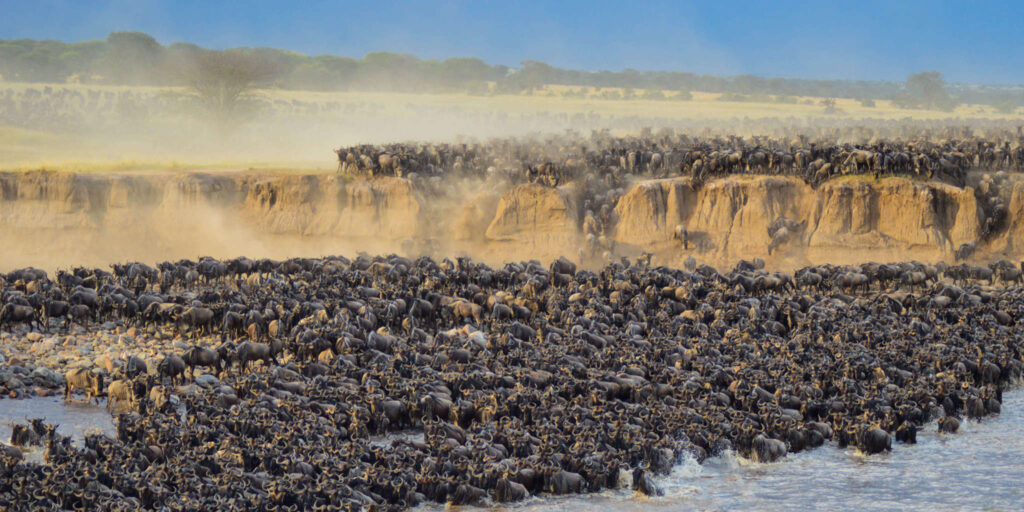
How the Great Migration Begins Each Year?
How the Great Migration Begins Each Year? This question opens the door to one of Africa’s greatest wildlife spectacles. Every year, enormous wildebeest herds begin another journey across the Serengeti ecosystem. Their movement follows nature rather than a fixed human schedule.
More than one million wildebeest form the heart of this extraordinary migration. Large numbers of zebra and gazelles also travel alongside them. Together, these animals create one of the world’s most remarkable wildlife movements.
The migration begins through a combination of rainfall, fresh grass, water, reproduction, and animal behavior. These factors work together across a vast ecosystem. Therefore, no single date marks the beginning of the Great Migration.
Southern Serengeti becomes particularly important during the calving season. Fresh rainfall produces nutritious grass across the short-grass plains. Pregnant wildebeest move toward these areas before giving birth.
At Terenga Africa Safaris and Travels Ltd, we approach migration planning with realistic expectations. Wildlife movement changes with rainfall and environmental conditions. Therefore, travelers need flexible itineraries and informed destination advice.
Understanding How the Great Migration Begins Each Year? helps travelers choose suitable safari periods. It also explains why Serengeti remains a world-class destination throughout the year.
What Triggers the Great Migration?
Rainfall Starts the Natural Process
Rainfall represents one of the strongest factors behind migration. Seasonal rains transform dry grasslands into productive feeding areas.
When rain reaches southern Serengeti, new grass begins growing rapidly. This vegetation provides essential nutrients for pregnant wildebeest and newborn calves.
As conditions change, animals gradually respond to new grazing opportunities. The herds move toward areas offering better food and water.
Therefore, How the Great Migration Begins Each Year? starts with environmental changes rather than a specific calendar date.
Rainfall patterns can vary between years. Some seasons may begin earlier, while others may arrive later. This variation affects the exact location of migrating herds.
For this reason, travelers should avoid rigid migration predictions. A professional Tanzania safari itinerary should allow room for natural changes.
The Importance of Fresh Grass
Nutrition Drives Movement
Fresh grass provides the energy wildebeest need for survival and reproduction. Southern Serengeti contains extensive short-grass plains that become highly productive after rainfall.
Pregnant females benefit significantly from this nutritious vegetation. They need strong nutrition before giving birth and during lactation.
The abundance of fresh grass also supports newborn calves. Young wildebeest begin moving soon after birth and quickly require additional nutrients.
Consequently, grass availability strongly influences where herds gather.
This relationship explains another part of How the Great Migration Begins Each Year? The animals move toward food-rich landscapes that support the next generation.
Grass also influences predator activity. Lions, cheetahs, hyenas, and other predators follow concentrations of herbivores.
Therefore, the beginning of migration creates exceptional opportunities for Tanzania wildlife safaris.
The Calving Season
New Life Begins the Annual Cycle
Calving provides one of the most important stages of the Great Migration. Many wildebeest give birth during a concentrated period.
The southern Serengeti and surrounding Ndutu area become important calving landscapes. Exact herd locations can change according to rainfall conditions.
Thousands of calves may arrive within a relatively short period. This reproductive strategy increases survival through numbers.
Newborn calves can stand and walk shortly after birth. They must keep pace with moving herds to avoid predators.
Lions, cheetahs, hyenas, and other predators closely monitor the calving grounds. Their presence creates dramatic encounters for wildlife observers.
Understanding How the Great Migration Begins Each Year? therefore requires understanding reproduction.
The migration does not simply begin because animals need food. It also begins because mothers need suitable conditions for raising their young.
Why Wildebeest Gather in Southern Serengeti
The Perfect Calving Environment
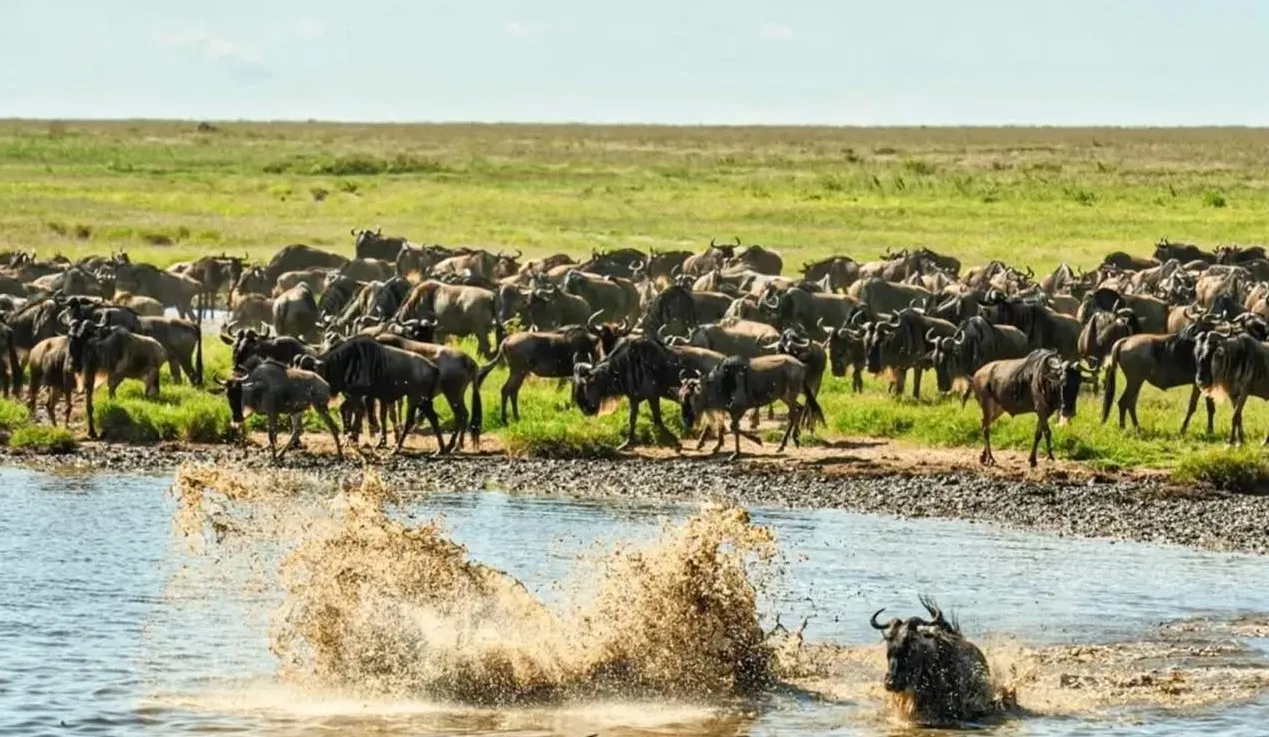
Southern Serengeti provides favorable conditions during the wet season. Short grasses offer valuable nutrition and wide visibility.
Open landscapes also allow herds to detect approaching predators. Large groups provide additional protection for vulnerable calves.
Furthermore, seasonal rainfall creates temporary water sources across the plains. This combination supports large concentrations of wildlife.
The southern plains therefore become a natural starting point for the annual cycle.
Travelers visiting during this period can experience enormous herds spread across expansive grasslands. Early morning game drives often provide excellent opportunities for photography.
Predator sightings can also become frequent during the calving period.
A Tanzania wildlife tour during calving season can therefore combine migration, predators, landscapes, and birdlife.
Does the Migration Start on One Date?
Nature Does Not Follow a Calendar
One common misconception involves the idea of a fixed migration starting date. In reality, migration follows changing environmental conditions.
Some herds may begin moving before others. Different groups can remain in one region while others advance.
Rainfall patterns, grass growth, water availability, and reproductive behavior influence these movements.
Therefore, How the Great Migration Begins Each Year? cannot receive one exact date.
Travelers should instead consider seasonal windows. January through March often provides strong opportunities around southern calving areas.
However, exact conditions can change each year.
Professional safari operators should communicate this uncertainty clearly. Honest planning creates realistic expectations and better travel experiences.
At Terenga Africa Safaris and Travels Ltd, we prioritize practical advice over guaranteed wildlife predictions.
The Role of Water in Migration
Following Essential Resources
Water represents another important factor behind animal movement. Wildebeest require regular access to water, particularly during dry periods.
Rainfall creates temporary water sources across the Serengeti. As these sources disappear, animals move toward permanent rivers and waterholes.
The availability of water works alongside grass availability. Food alone cannot sustain large herds without sufficient drinking water.
Therefore, migration follows multiple environmental factors simultaneously.
This relationship further explains How the Great Migration Begins Each Year? Rainfall creates both food and water resources.
Later, declining water availability encourages the herds to continue moving.
The migration therefore represents a continuous search for suitable survival conditions.
The Role of Reproduction
Protecting the Next Generation
Reproduction strongly influences the timing of the migration. Wildebeest need favorable conditions for mating, pregnancy, birth, and calf development.
The calving season follows periods when grazing conditions provide abundant nutrition.
Female wildebeest require substantial energy during pregnancy. They also need nutritious grass after giving birth.
Concentrated births provide an important survival advantage. Predators face many young animals simultaneously, which increases the chances that some calves survive.
This strategy helps maintain the enormous wildebeest population.
Consequently, How the Great Migration Begins Each Year? includes an important reproductive dimension.
The journey supports not only current survival but also future generations.
What Happens After Calving?
The Herds Start Moving Again
After the calving season, grass conditions gradually change. The herds begin searching for new grazing areas.
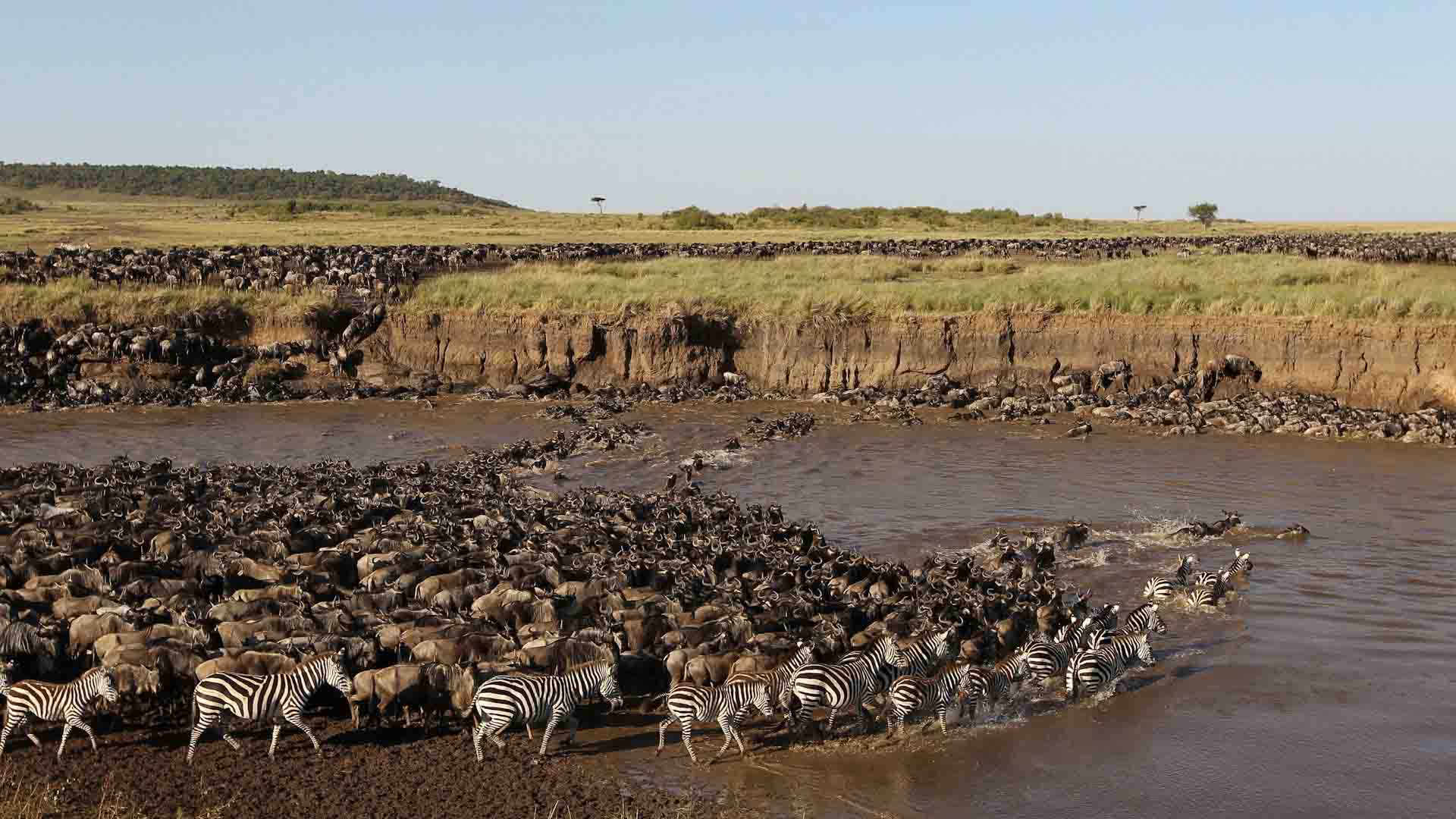
Movement can take the animals toward central Serengeti and the Western Corridor. The exact route depends on rainfall and vegetation.
As the landscape becomes drier, herds continue toward northern areas.
This stage creates excellent opportunities for Tanzania safaris. Visitors can encounter large herds alongside resident wildlife.
The transition also demonstrates how quickly migration patterns can change.
Some groups may move ahead while others remain behind. Therefore, travelers should understand that the migration involves many separate herds.
The entire population does not move as one solid group.
The Western Corridor and Grumeti Region
Continuing the Northward Journey
The Western Corridor becomes important during the later stages of the northward movement. Large herds may pass through this region while searching for better grazing.
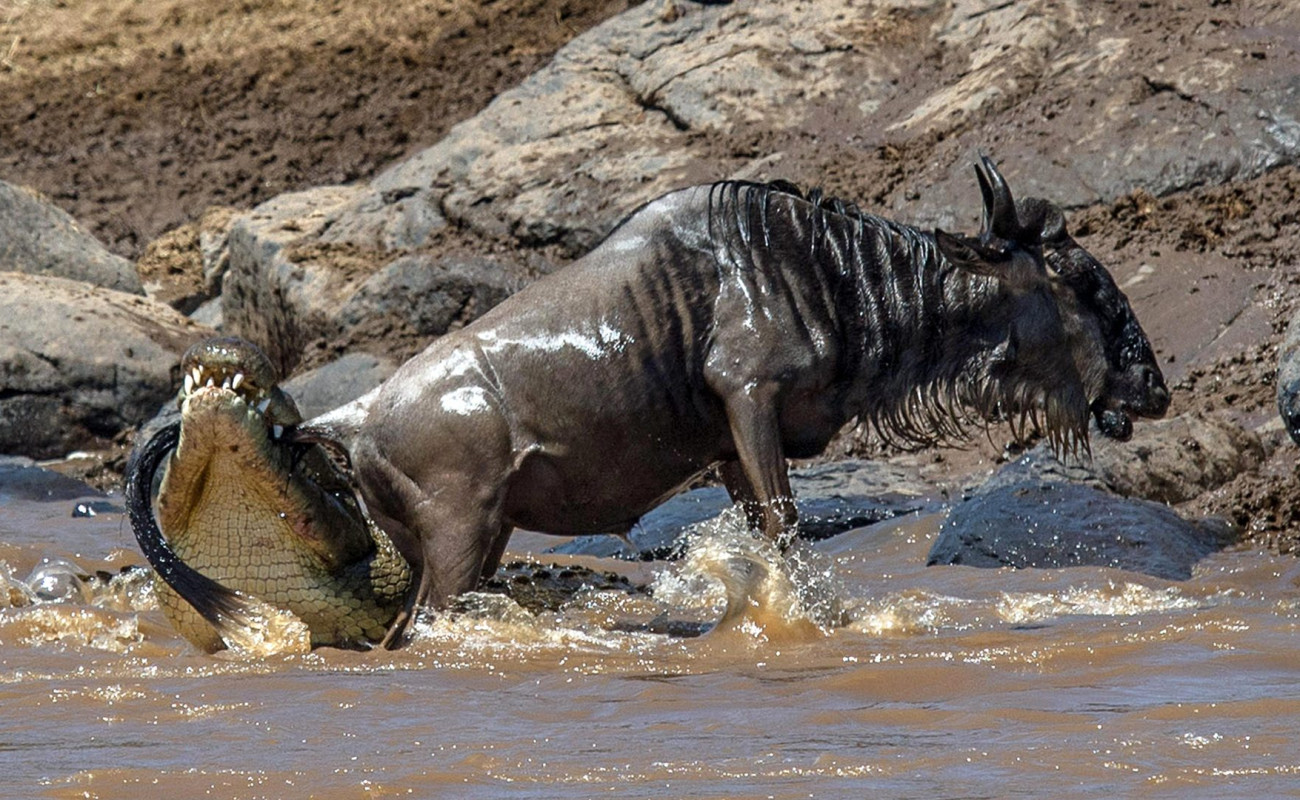
The Grumeti River provides a significant water source. Crocodiles also inhabit sections of the river.
Some herds may gather near riverbanks before crossing. However, crossing behavior remains unpredictable.
Travelers visiting this region can enjoy more than migration viewing. Resident wildlife includes lions, leopards, elephants, buffaloes, giraffes, and numerous antelope species.
Therefore, Tanzania wildlife safaris remain rewarding even when migration movements differ from expectations.
A knowledgeable guide can help travelers understand changing animal behavior.
The Northern Serengeti and Mara River
The Migration Reaches Another Major Stage
Northern Serengeti becomes especially important during the dry season. Many herds move toward areas offering remaining grazing and water.
Some groups reach the Mara River. Others remain within northern Serengeti for varying periods.
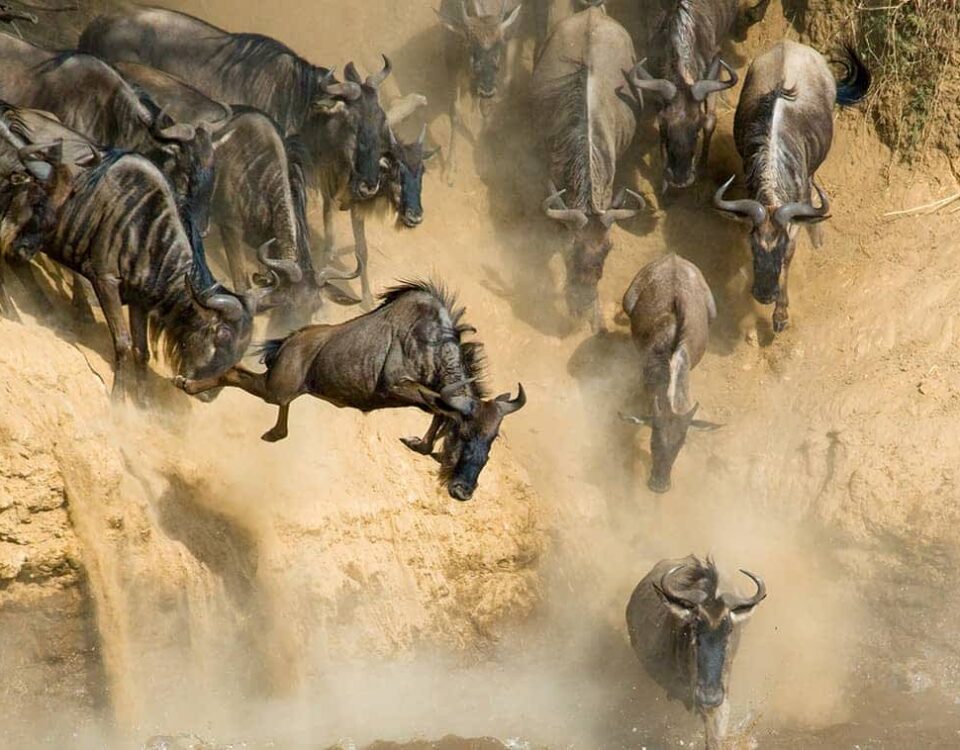
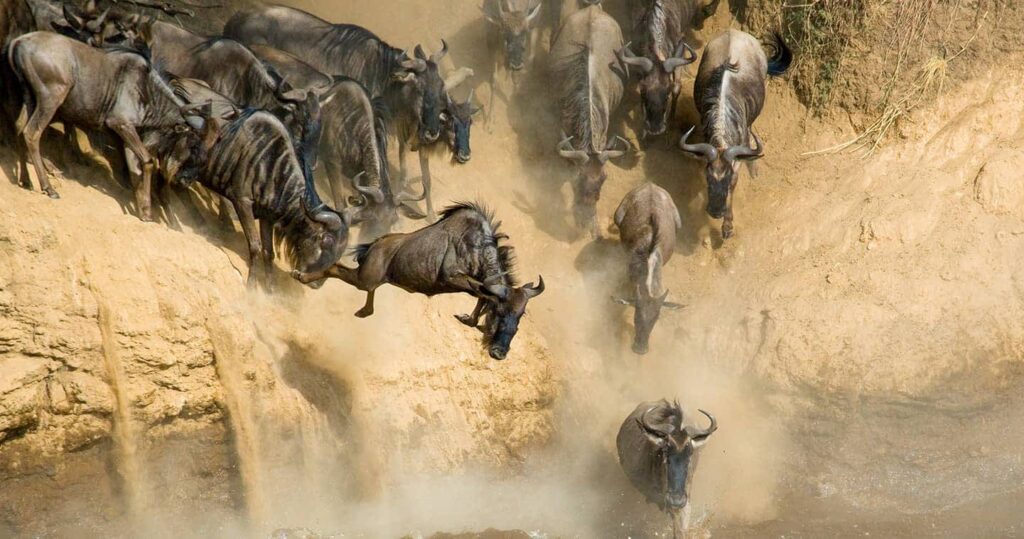
River crossings create spectacular wildlife scenes. Yet they depend entirely on animal behavior and environmental conditions.
Wildebeest may approach the river and wait. They may also retreat before entering the water.
Therefore, responsible operators should never guarantee a crossing.
Travelers should appreciate the entire northern migration experience. Herd gathering, predator activity, landscapes, and river environments all provide valuable opportunities.
This stage adds another dimension to How the Great Migration Begins Each Year? The initial movement eventually develops into a much larger annual journey.
Why Migration Does Not Stop
The Cycle Continues
The Great Migration does not have a permanent ending. After northern movements, herds eventually return toward southern Serengeti.
Seasonal rains create fresh grazing opportunities once again. The animals respond by moving toward productive southern plains.
This return completes one phase while preparing for another calving season.
Therefore, the Great Migration functions as a continuous ecological cycle.
The answer to How the Great Migration Begins Each Year? becomes clearer when the cycle receives full attention.
One year’s ending becomes the next year’s beginning.
This constant movement helps distribute grazing pressure across the ecosystem.
Wildlife That Follows the Migration
Predators Track the Herds
Wildebeest migration creates opportunities for many predators. Lions often follow large concentrations of herbivores.
Cheetahs hunt across open grasslands. Hyenas also exploit the abundance of prey.
Leopards remain more closely associated with wooded habitats. Crocodiles benefit from river crossings when herds reach major rivers.
Vultures and other scavengers also benefit from natural deaths and predator kills.
Therefore, the migration supports an extensive food web.
A Tanzania wildlife tour can provide opportunities to observe these ecological relationships.
Travelers can witness hunting, feeding, resting, territorial behavior, and interactions between different species.
Tanzania Safaris Beyond the Migration
Serengeti Offers Year-Round Wildlife
The migration represents one of Serengeti’s greatest attractions. However, the park offers exceptional wildlife viewing throughout the year.
Resident wildlife remains within the ecosystem regardless of migration movements.
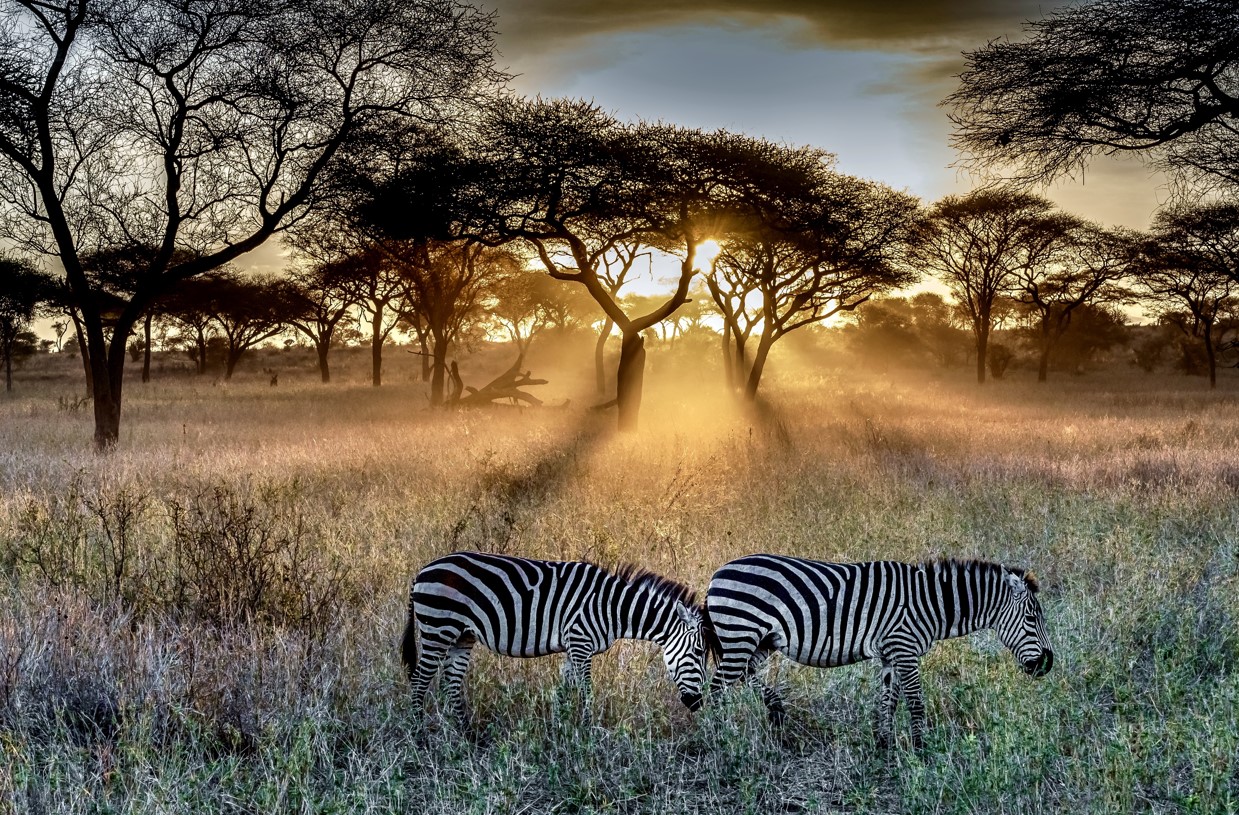
Lions, elephants, buffaloes, giraffes, hippos, warthogs, zebras, and many antelope species remain important safari attractions.
Birdwatchers can also discover numerous species across different habitats.
Consequently, Tanzania safaris should not depend entirely on seeing a specific migration event.
Travelers can enjoy game drives even when herds occupy another part of the ecosystem.
This broader approach creates more rewarding safari experiences.
Choosing the Best Time for Your Tanzania Safari
Match the Season to Your Interests
The best migration period depends on the experience you want.
January through March suits travelers interested in calving and predator activity. April and May can provide greener landscapes and northward herd movements.
June may offer opportunities around the Western Corridor. July through October often attracts visitors seeking northern Serengeti experiences.
November and December can offer green landscapes and southward herd movements.
These periods provide general planning guidelines. Weather conditions can change exact herd locations.
Therefore, professional Tanzania safari planning should consider recent ecological conditions.
A longer itinerary can also increase flexibility.
Choosing the Right Safari Lodge
Location Influences the Experience
Serengeti covers an enormous area. Therefore, lodge location can strongly affect your safari experience.
Southern properties suit travelers targeting the calving season. Central lodges offer access to resident wildlife and migration routes.
Western accommodation works well for Grumeti-focused trips. Northern lodges provide better access to potential Mara River areas.
Mobile camps can also follow seasonal wildlife movements.
Luxury travelers can choose high-end tented camps and lodges. Mid-range properties provide comfortable alternatives for travelers seeking value.
At Terenga Africa Safaris and Travels Ltd, we consider location when designing Tanzania wildlife safaris.
Our goal involves reducing unnecessary driving while maximizing time in productive wildlife areas.
Cultural Experiences Around Serengeti Safari Lodges
Maasai Community Visits
Tanzania adventure safaris can include meaningful cultural experiences. Maasai communities live across parts of northern Tanzania.
Travelers can visit communities through responsible tourism programs. Activities may include traditional dances, storytelling, beadwork, and demonstrations.
Visitors can also learn about pastoral lifestyles and livestock management.
Such experiences create deeper connections with the landscape.
Respect remains essential during community visits. Travelers should request permission before photographing people.
Purchasing authentic local crafts can also support community livelihoods.
Traditional Food Experiences
Food provides another way to understand Tanzanian heritage. Selected cultural programs offer opportunities to experience local dishes.
Travelers can discover traditional ingredients, preparation techniques, and dining customs.
These experiences provide insight into everyday community life.
Cultural Heritage Extensions
Travelers can extend their northern Tanzania itinerary toward Ngorongoro. The area offers opportunities to combine wildlife with cultural and historical experiences.
Olduvai Gorge provides another important heritage attraction. Such extensions can transform Tanzania wildlife safaris into broader cultural journeys.
Responsible Migration Tourism
Protecting the Serengeti Ecosystem
Responsible tourism protects wildlife and supports surrounding communities.
Safari vehicles should follow park regulations. Drivers should maintain appropriate distances from animals.
Visitors should avoid loud behavior around wildlife. Feeding animals should never form part of responsible tourism.
Travelers can also support conservation through reputable safari operators.
Community visits should provide meaningful local benefits. Cultural activities should respect traditions and avoid exploitation.
Therefore, responsible travel strengthens the future of Tanzania wildlife tours.
The migration depends on healthy habitats and functioning ecosystems.
Protecting these environments remains essential for future generations.
Planning a Tanzania Wildlife Tour
Build a Complete Safari Experience
A Tanzania wildlife tour can combine Serengeti with other northern destinations.
Ngorongoro provides spectacular crater landscapes and diverse wildlife. Tarangire offers large elephant populations and distinctive baobab scenery.
Lake Manyara can add forest habitats and birdwatching opportunities.
Combining destinations creates greater variety. It also reduces dependence on one wildlife experience.
Travelers can include cultural visits between wildlife activities.
Photography enthusiasts can dedicate additional days to preferred locations.
Families may prefer shorter driving distances and comfortable accommodation.
Couples can select private camps and personalized activities.
Adventure travelers can explore walking experiences and other permitted activities.
This flexible approach strengthens the overall Tanzania adventure safari experience.
Safari Inclusions
- Airport transfers
- Private safari vehicle
- Professional safari guide
- Accommodation
- Meals
- Drinking water
- Park entrance fees
- Game drives
- Migration tracking
- Cultural experiences
- Government taxes
- Emergency support
Safari Exclusions
- International flights
- Tanzania visa
- Travel insurance
- Personal expenses
- Alcoholic drinks
- Laundry services
- Tips
- Souvenirs
- Optional activities
- Personal medical expenses
- Additional accommodation
- Travel upgrades
Why Choose Terenga Africa Safaris and Travels Ltd?
Experience, Expertise, and Responsible Planning
Terenga Africa Safaris and Travels Ltd creates carefully planned African safari experiences.
Our approach combines destination knowledge with practical itinerary planning. We consider seasonal wildlife movements, accommodation location, travel distances, and individual interests.
Every traveler has different expectations. Some visitors want calving experiences. Others prioritize river crossings, photography, luxury, or cultural experiences.
Therefore, we create safari programs around personal travel goals.
We also believe in honest communication. Wildlife follows natural behavior rather than human schedules.
No responsible operator can guarantee a specific animal encounter.
Instead, our expertise focuses on creating the strongest possible opportunities.
This approach builds trust and supports better safari experiences.
Final Thoughts: How the Great Migration Begins Each Year?
How the Great Migration Begins Each Year? The answer starts with rain, grass, water, and reproduction.
Seasonal rainfall creates fresh grazing areas across southern Serengeti. Pregnant wildebeest move toward these productive plains.
Calving then introduces a new generation into the migration cycle. The herds eventually move toward central and western Serengeti.
Later, many animals continue toward northern regions. Some reach the Mara River during the dry season.
Eventually, seasonal rains guide the herds back toward southern grazing areas.
Therefore, How the Great Migration Begins Each Year? involves a continuous ecological process.
The migration does not follow one exact date. It responds to nature’s changing conditions.
Understanding this process helps travelers plan better Tanzania safaris.
It also creates more realistic expectations around wildlife encounters.
A Tanzania wildlife safari can provide much more than migration viewing. Resident predators, elephants, buffaloes, birds, landscapes, and cultural experiences enrich every journey.
Tanzania adventure safaris can also combine Serengeti with Ngorongoro and Tarangire.
For travelers seeking meaningful African experiences, Serengeti provides an extraordinary opportunity.
How the Great Migration Begins Each Year? It begins when nature creates the conditions that make movement necessary.
The journey continues because survival depends on finding food, water, and suitable conditions for reproduction.
Ultimately, How the Great Migration Begins Each Year? tells a story of adaptation, survival, renewal, and ecological balance.
That story continues across the Serengeti every year.