January Game Drives in the Southern Serengeti
October 12, 2026
Tanzania Uganda Safari
October 13, 2026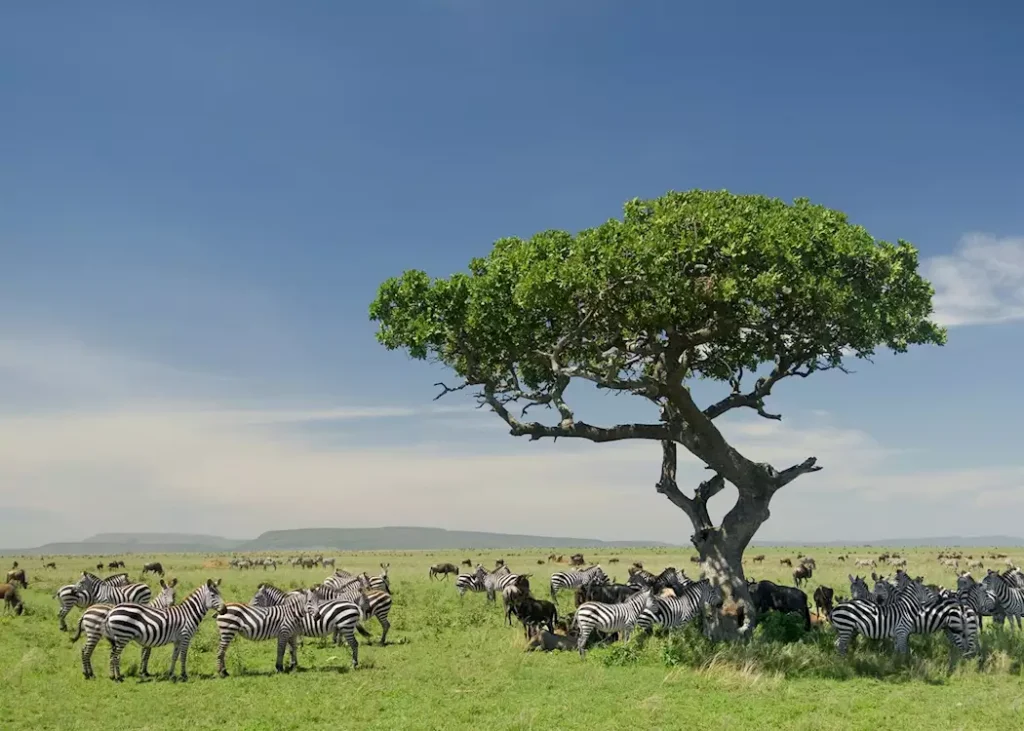
Wildebeest Herds and Green Grasslands in January: A Tanzania Safari Experience
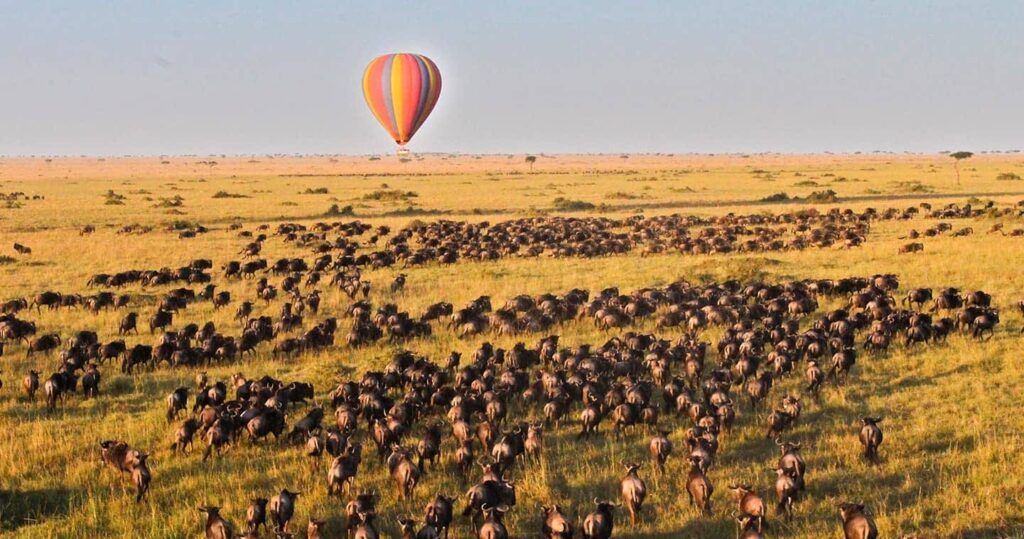
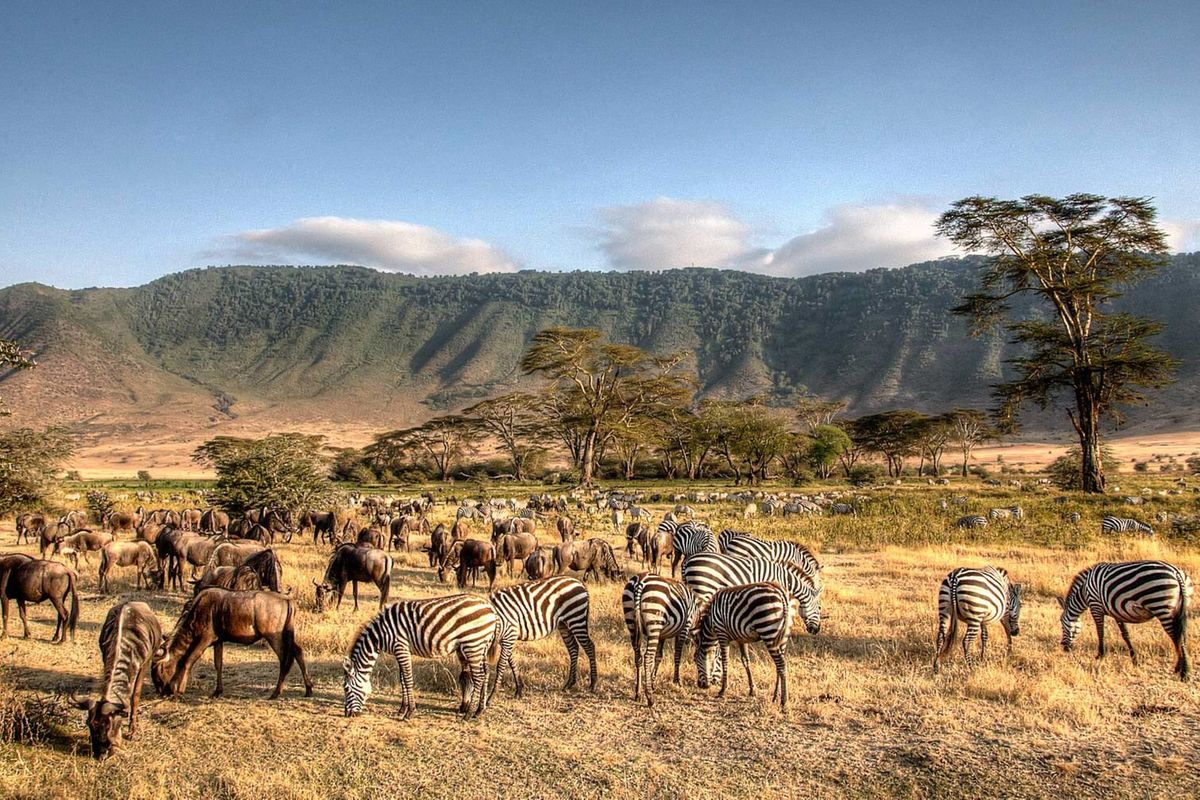
Wildebeest Herds and Green Grasslands in January create one of Tanzania’s most captivating wildlife experiences. The southern Serengeti transforms into a beautiful landscape of fresh grass, scattered wildflowers, and dramatic skies. Following seasonal rains, grazing animals gather across the plains to feed and raise their young. Meanwhile, predators follow these herds, creating exciting opportunities for wildlife observation.
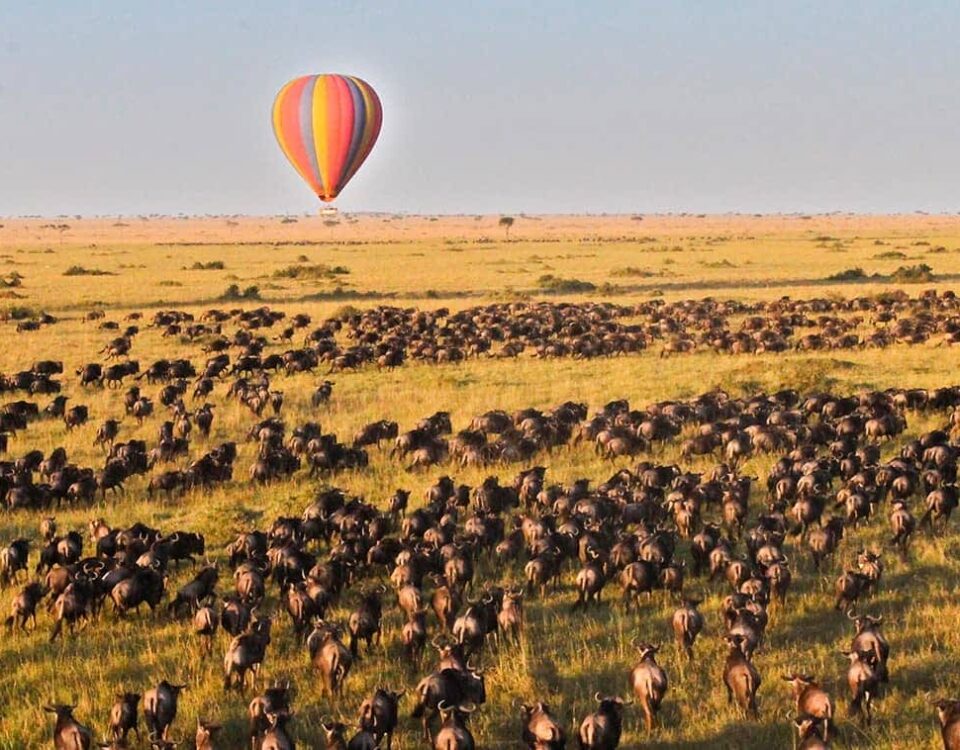
January falls within the green season, when the Great Wildebeest Migration often concentrates around the southern Serengeti and Ndutu plains. Thousands of wildebeest may spread across the grasslands alongside zebras and gazelles. Their movements depend on rainfall, water availability, and fresh grazing. Consequently, wildlife concentrations can change throughout the month.
At Terenga Africa Safaris, we help travelers explore Tanzania through carefully planned wildlife journeys. Our Tanzania safaris combine expert guiding, comfortable accommodation, and practical travel arrangements. We also consider seasonal conditions when selecting destinations and planning game drives.
Wildebeest Herds and Green Grasslands in January appeal to photographers, wildlife enthusiasts, couples, and families. Visitors can enjoy remarkable landscapes, observe animal behaviour, and discover Tanzania’s diverse ecosystems. Furthermore, travelers can combine the Southern Serengeti with Ngorongoro Crater, Tarangire National Park, or Zanzibar.
Why January Is Special for Tanzania Wildlife Safaris
Fresh Grass and Seasonal Grazing
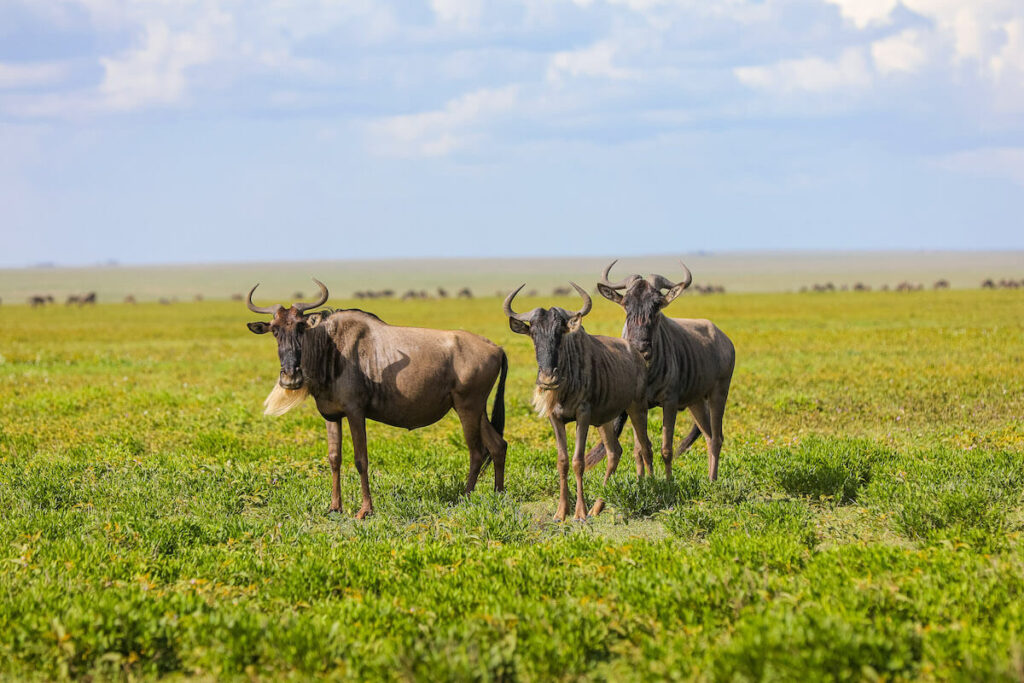
January brings fresh vegetation to many southern Serengeti grasslands. Seasonal rainfall supports new grass growth, attracting large numbers of grazing animals. Wildebeest, zebras, and gazelles move through these areas in search of nutritious food.
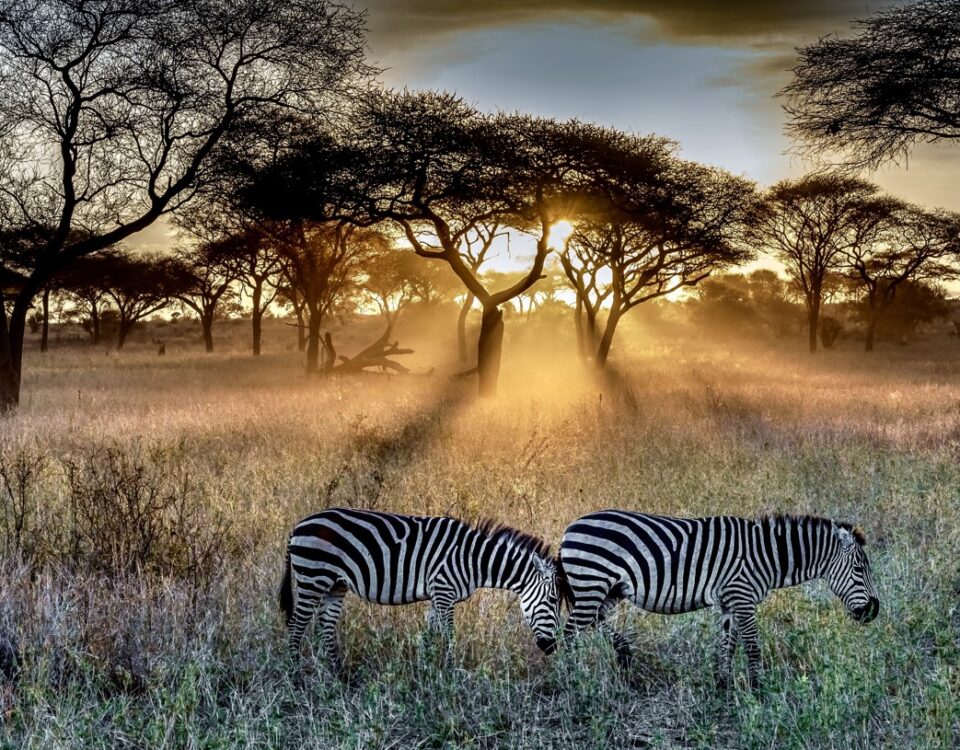
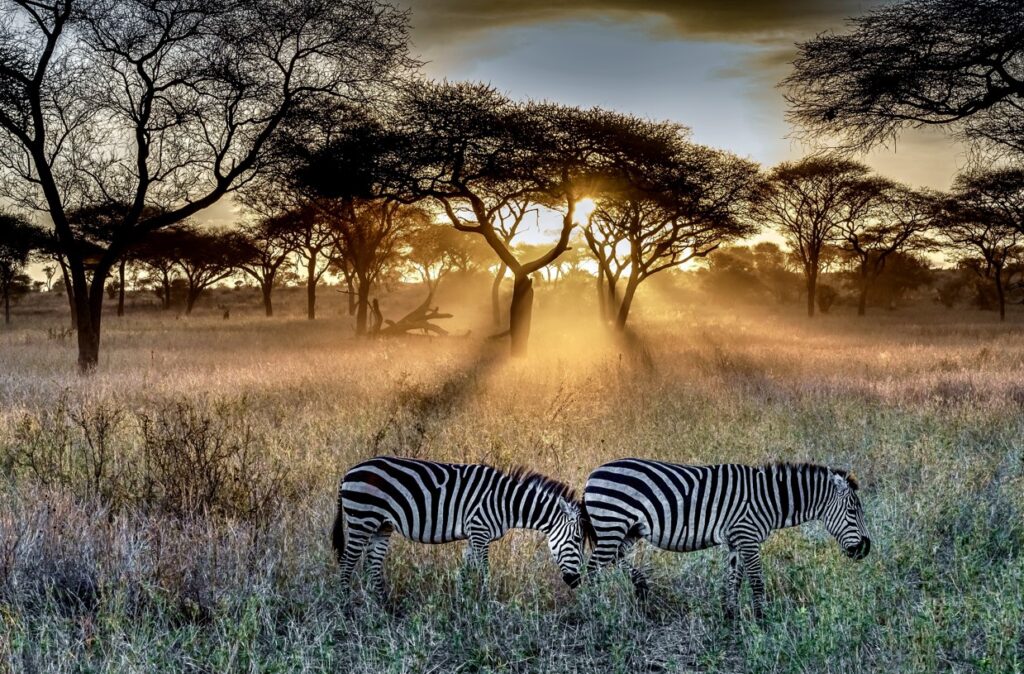
The green landscape creates excellent opportunities for wildlife photography. Fresh grass contrasts beautifully with dark wildebeest coats and zebra stripes. Additionally, clouds and occasional showers can produce dramatic scenery across the plains.
However, rainfall varies between years and locations. Some areas may receive more rain than others, affecting animal movements and road conditions. Experienced guides monitor local conditions and adjust routes accordingly.
The Great Wildebeest Migration
The Great Wildebeest Migration forms the centrepiece of many Tanzania wildlife safaris. Around two million wildebeest move through the greater Serengeti ecosystem during their annual journey. Hundreds of thousands of zebras and gazelles also travel through connected grazing areas.
These animals follow seasonal rainfall and changing grass availability. Their movements support predators and scavengers throughout the ecosystem. As a result, visitors may observe interactions between grazing herds and carnivores.
Wildebeest Herds and Green Grasslands in January offer opportunities to witness this remarkable natural cycle. Nevertheless, the migration follows environmental conditions rather than a fixed schedule. Choosing suitable accommodation and remaining flexible improves your wildlife-viewing opportunities.

The Wildebeest Calving Season
January often brings the beginning or continuation of the wildebeest calving season across the southern Serengeti and Ndutu region. Many females give birth during this period, although the timing varies with rainfall and local conditions.
Newborn calves usually stand and begin walking shortly after birth. This ability helps them remain close to their mothers and surrounding herds. Visitors may observe family groups feeding across the plains or protecting their young.
The abundance of young animals also attracts predators. Lions, cheetahs, hyenas, and other carnivores search for feeding opportunities. These encounters reveal the natural balance between predator and prey.
Responsible guides maintain suitable distances and follow park regulations. Wildlife viewing should never interfere with natural animal behaviour.
Best Places to See Wildebeest Herds and Green Grasslands in January
Southern Serengeti Plains
The southern Serengeti offers extensive grasslands that attract migrating wildebeest during the green season. Open terrain allows visitors to observe herds moving across the landscape. Seasonal water sources and fresh vegetation support wildlife concentrations.
Wildebeest Herds and Green Grasslands in January often feature prominently in this region. Visitors may encounter grazing herds, zebras, gazelles, and predators during the same game drive. However, wildlife distribution changes with rainfall and available grazing.
Staying near the southern plains can reduce long daily transfers. Choose accommodation according to your preferred wildlife areas and travel dates. Confirm the camp’s exact location before booking.
Ndutu Wildlife Area
The Ndutu area lies within the greater Serengeti ecosystem, near the boundary with the Ngorongoro Conservation Area. Its open plains, woodlands, and seasonal lakes create varied habitats. During suitable conditions, large wildebeest concentrations attract wildlife enthusiasts.
Ndutu often provides excellent opportunities to observe the calving season. Cheetahs may hunt across open grasslands, while lions patrol areas near grazing herds. Birdlife also adds interest to the region.
Seasonal camps and lodges offer access to different parts of Ndutu. Their locations can influence daily driving time and wildlife-viewing opportunities. Therefore, discuss accommodation placement with your safari planner.
Central Serengeti
Central Serengeti offers rewarding wildlife viewing throughout the year. Its rocky kopjes, river systems, and open grasslands support diverse animal species. Lions, leopards, elephants, giraffes, and several antelope species live in this region.
Travelers can combine the southern plains with central Serengeti for a varied Tanzania safari. This option introduces different landscapes and resident wildlife populations. However, additional driving requires sufficient time within your itinerary.
A longer stay also provides flexibility when rain affects specific routes. Your guide can choose suitable viewing areas based on current conditions.
Wildlife to Expect During Wildebeest Herds and Green Grasslands in January
Wildebeest, Zebras, and Gazelles
Wildebeest dominate many seasonal grasslands during January. Their large herds create impressive scenes across the southern Serengeti. Zebras often graze nearby, while gazelles feed in suitable areas.
These animals depend on nutritious grass and accessible water. Their movements also influence predator distribution throughout the ecosystem. Consequently, a single game drive may reveal several interconnected wildlife behaviours.
Lions, Cheetahs, and Hyenas
Lions often patrol areas where grazing animals gather. Visitors may observe them resting beneath trees, moving through grass, or interacting within their prides. Cheetahs prefer open terrain where they can scan for suitable prey.
Hyenas also play important roles as hunters and scavengers. Leopards may appear near rocky outcrops or areas with thicker vegetation. However, sightings depend on animal movements, weather, and time spent exploring.
Wildebeest Herds and Green Grasslands in January can offer excellent predator-viewing opportunities. Nevertheless, no responsible safari operator can guarantee a particular encounter.
Elephants, Giraffes, and Other Animals
Although wildebeest dominate the seasonal spectacle, the Serengeti supports many other mammals. Elephants move through woodland habitats, while giraffes browse on trees and shrubs. Buffaloes, warthogs, jackals, and several antelope species add diversity.
These animals help make Tanzania wildlife safaris rewarding beyond the migration itself. Guides can explain their behaviour, feeding habits, and ecological roles. Observing different species creates a broader understanding of the Serengeti ecosystem.
Birds and Green-Season Photography
January offers excellent birdwatching opportunities across many Serengeti habitats. Visitors may encounter eagles, vultures, storks, rollers, and smaller grassland species. Seasonal rainfall also creates attractive conditions for photographing birds and landscapes.
Bring binoculars, spare camera batteries, and sufficient memory cards. A longer stay allows more time to observe wildlife without rushing between locations.
What to Expect During January Game Drives
Morning Wildlife Viewing
Morning game drives usually begin early, when temperatures remain cooler. Many animals move actively during these hours. Soft light also creates attractive conditions for wildlife photography.
Your guide selects routes according to recent sightings and road conditions. Bring water, a camera, binoculars, and a light jacket. Patience remains important because wildlife movements can change quickly.
Afternoon Game Drives
Afternoon drives provide another opportunity to explore the plains. Animals may feed, rest, or move toward water sources as temperatures change. The changing light can create beautiful scenes across the grasslands.
Some travelers prefer full-day drives with a packed lunch. Others enjoy returning to camp between activities. Your preferred schedule depends on accommodation, wildlife priorities, and overall itinerary length.
Great Migration
Weather and Road Conditions
January generally brings warm days, although showers can occur. Temperatures vary with altitude, local weather, and time of day. Early mornings and evenings may feel cooler.
Rain can make some tracks muddy or difficult to navigate. A suitable safari vehicle and experienced driver help manage these conditions. Allow flexibility for transfers and daily activities.
Where to Stay During Wildebeest Herds and Green Grasslands in January
Seasonal Tented Camps
Seasonal tented camps often provide convenient access to migration areas. Facilities vary, but many offer comfortable beds, private bathrooms, dining areas, and guided activities. Some camps operate close to the southern plains during the calving season.
Before booking, confirm operating dates and the camp’s exact location. Ask about electricity, hot water, laundry, and communication services. These details help you choose accommodation that matches your needs.
Safari Lodges
Permanent lodges provide another option for visitors exploring the Serengeti. Many offer private rooms, restaurants, lounges, and organized game drives. Some properties also feature swimming pools and outdoor viewing areas.
A lodge farther from the southern plains may require longer daily transfers. Therefore, compare its facilities with its location. A well-positioned property can provide more time for wildlife viewing.
Cultural Experiences Near Your Lodge
Tanzania offers cultural experiences that complement wildlife viewing. Depending on your location, you may arrange a respectful Maasai community visit. These experiences can introduce traditional beadwork, clothing, pastoral lifestyles, and local customs.
Some lodges can arrange guided community visits or local craft experiences. Availability depends on the property, location, and community participation. Confirm arrangements before arrival.
Always ask permission before photographing residents. Choose activities that respect local traditions and provide fair benefits to participating communities.
How to Plan a January Tanzania Safari
Select the Right Safari Duration
A three-to-four-day safari can provide a focused experience in selected wildlife areas. However, additional days allow more time for game drives and changing weather. A five-to-seven-day itinerary can combine the Southern Serengeti with central Serengeti or Ngorongoro Crater.
Longer Tanzania adventure safaris may include Tarangire National Park or additional cultural activities. Travelers seeking relaxation can finish their journey with a Zanzibar beach holiday. Select destinations according to your interests, budget, and available time.
Book Accommodation and Transport Early
January attracts visitors interested in the wildebeest calving season. Reserve suitable accommodation early, especially near Ndutu and the southern plains. Confirm park fees, meals, transfers, and game-drive arrangements before paying.
Road transfers can take several hours between destinations. Domestic flights may reduce travel time, although schedules and luggage restrictions vary. Your safari planner can compare the practical options.
Choose a Reliable Safari Operator
A reliable operator should explain seasonal conditions and wildlife expectations clearly. They should also provide transparent quotations and detailed itinerary information. Ask about guide experience, vehicle standards, emergency arrangements, and cancellation policies.
Terenga Africa Safaris helps travelers select routes based on their interests and travel dates. We consider seasonal wildlife patterns, accommodation locations, and realistic driving times. This approach supports informed decisions and a more comfortable safari.
Typical Safari Inclusions
- Airport transfers as specified
- Safari vehicle and professional driver-guide
- Accommodation listed in the itinerary
- Meals listed in the itinerary
- Park and conservation fees as specified
- Scheduled game drives
- Drinking water during game drives
- Applicable government taxes
Typical Safari Exclusions
- International flights
- Visa fees
- Travel insurance
- Personal expenses
- Tips and gratuities
- Alcoholic beverages
- Optional activities
- Unlisted meals
- Additional accommodation
- Unlisted transfers and services
Responsible Tourism Across the Serengeti
Responsible tourism helps protect wildlife habitats and supports local communities. Follow park regulations and your guide’s instructions throughout every game drive. Never feed animals, litter, or pressure guides to approach wildlife too closely.
Keep noise low and respect other visitors’ viewing opportunities. Choose operators who prioritize conservation and responsible driving. Where possible, support community enterprises and locally made crafts.
Wildebeest Herds and Green Grasslands in January create an opportunity to appreciate nature responsibly. Respect temporary closures and avoid driving outside authorized tracks. These choices help protect the ecosystem for future generations.

What Happens When the Migration Arrives Early?
Why Choose Terenga Africa Safaris?
Terenga Africa Safaris helps travelers discover Tanzania through carefully planned wildlife journeys. We consider seasonal migration patterns, accommodation preferences, travel schedules, and individual interests. Our aim is to create rewarding experiences with practical planning and reliable guidance.
Whether you prefer a private safari, a family holiday, or a photography-focused adventure, we can help organize your trip. We can also combine the Serengeti with Ngorongoro, Tarangire, or Zanzibar.
Wildebeest Herds and Green Grasslands in January offer an exceptional combination of wildlife, scenery, and seasonal activity. However, nature never follows an exact schedule. Our planning approach helps you make informed choices while keeping your expectations realistic.
Book Wildebeest Herds and Green Grasslands in January
Begin planning your January wildlife adventure with Terenga Africa Safaris. Share your travel dates, group size, accommodation preferences, and budget. We will help you develop a Tanzania safari itinerary suited to your interests.
Discover the beauty of the Southern Serengeti during the green season. Enjoy remarkable landscapes, exciting game drives, and opportunities to learn about Tanzania’s wildlife and cultures.