January Weather in Serengeti and What It Means for the Migration
October 7, 2026
Serengeti Safari in October
October 9, 2026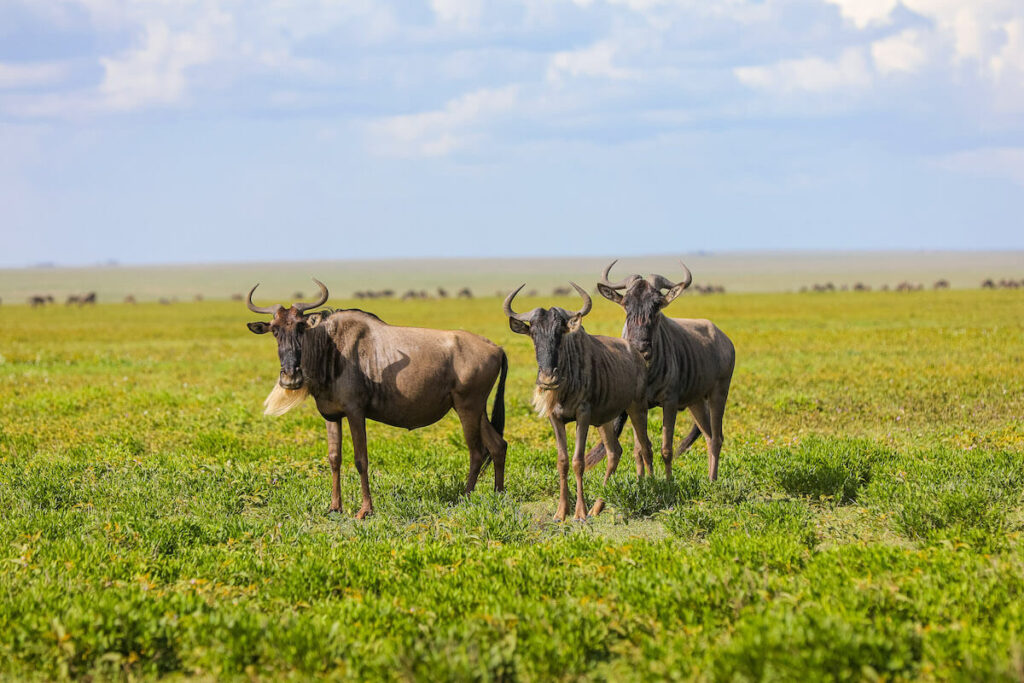
The Best Places to Stay During a January Migration Safari
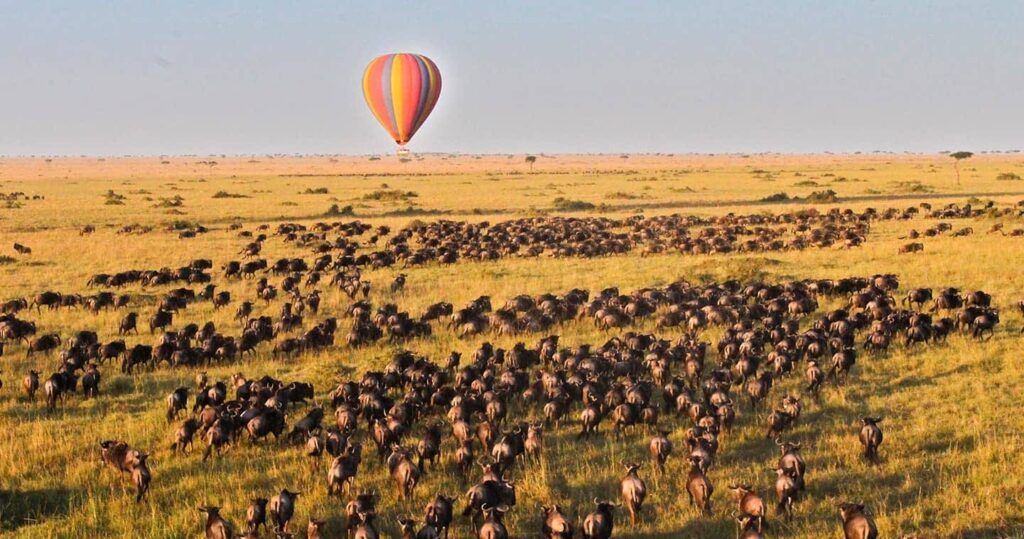
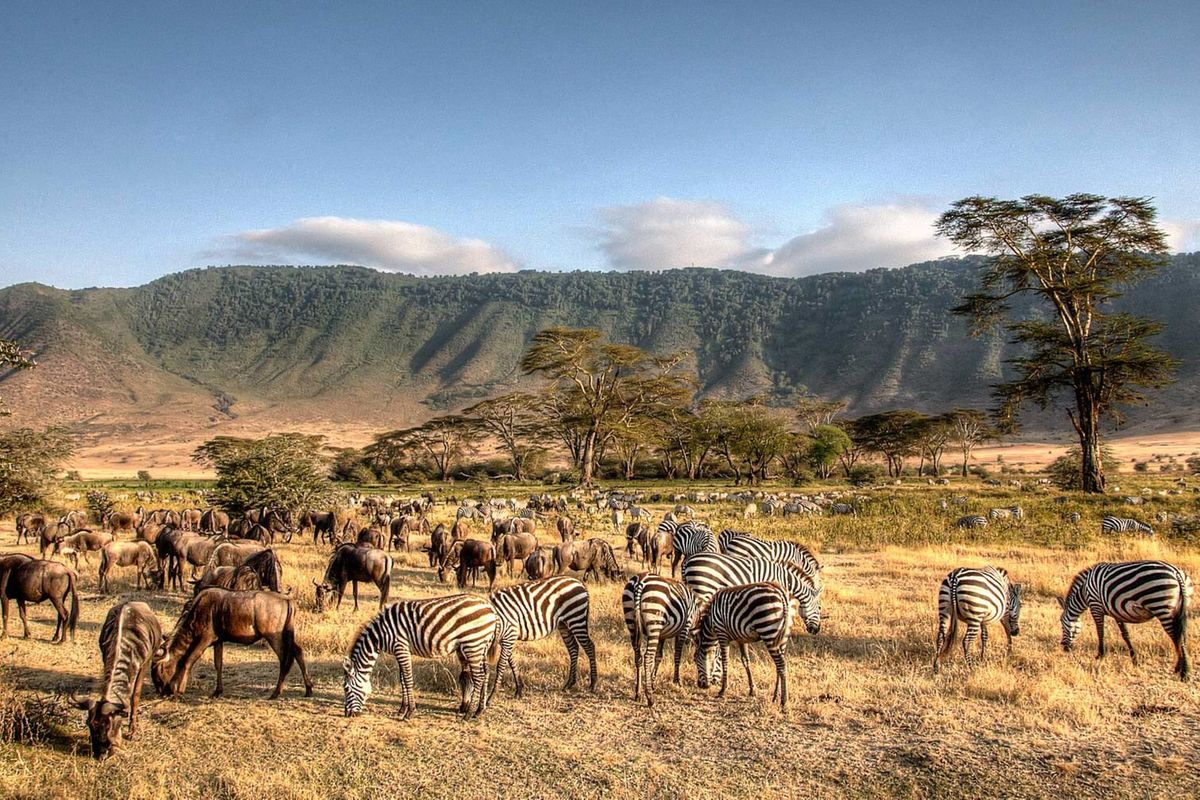
The Best Places to Stay During a January Migration Safari are often determined by wildlife location, travel style, comfort preferences, budget, and the type of experience a visitor wants. January is an important period in the annual Great Migration cycle because large herds of wildebeest, zebras, and gazelles gather across the southern Serengeti and nearby plains. Fresh seasonal grass provides valuable grazing, while the approaching calving season increases wildlife activity. Choosing accommodation close to these productive areas can reduce unnecessary driving and provide more time for game viewing.
Accommodation forms an important part of the overall safari experience. A well-positioned lodge or tented camp can allow guests to begin game drives early, return conveniently after long wildlife excursions, and enjoy the natural surroundings without spending excessive hours traveling between distant locations. For travelers planning Tanzania Safaris, selecting accommodation based on geography can therefore make a significant difference.
January also offers a distinctive atmosphere. Green landscapes, seasonal rainfall, dramatic skies, active wildlife, and relatively fresh vegetation can create beautiful surroundings around safari camps. Some travelers prefer intimate tented camps close to nature, while others prioritize permanent lodges with swimming pools, spacious rooms, and additional facilities.
Visitors extending their journey can also combine Tanzania with Kenya Safaris or Uganda Safaris. Such itineraries may require different accommodation styles because each destination offers distinct landscapes and activities. Kenya can provide luxury lodges near the Maasai Mara, while Uganda offers forest lodges near gorilla and chimpanzee trekking areas.
Why Does Location Matter When Choosing Safari Accommodation?
The Best Places to Stay During a January Migration Safari should always be evaluated according to location. The Serengeti is enormous, meaning accommodation in one area may provide a very different experience from a property located several hours away. January travelers generally want to maximize access to the southern Serengeti and surrounding areas where large herbivore concentrations occur.
Staying near productive wildlife zones can reduce driving time during daily game viewing. Early starts become easier, allowing travelers to reach wildlife areas when temperatures are cooler and animals are often active. Returning to accommodation after a long game drive can also be more comfortable when the property lies within a practical distance.
Geography becomes particularly important during the calving period. Large groups of wildebeest can spread across broad plains, and their exact location changes according to rainfall and grazing conditions. No accommodation can guarantee wildlife directly outside its rooms, but strategically positioned camps can improve access to likely viewing areas.
For Tanzania Safaris, professional itinerary planning should therefore consider accommodation and wildlife movements together. Choosing a beautiful lodge in an inconvenient location may create longer drives and reduce time available for actual exploration.

Which Areas Are Best for a January Migration Safari?
The Best Places to Stay During a January Migration Safari are generally found in or around the southern Serengeti, particularly areas offering access to seasonal grazing grounds. Ndutu is especially associated with the early-year migration and calving period, making the region highly attractive to travelers interested in witnessing this stage of the wildlife cycle.
The wider southern Serengeti provides open grasslands that can become highly productive following seasonal rainfall. Wildebeest and zebras move through these areas according to changing ecological conditions, while predators follow concentrations of prey.
Ndutu also offers a distinctive landscape because it sits within a transition zone between the Serengeti ecosystem and the Ngorongoro Conservation Area. Travelers staying in this region can potentially combine migration viewing with visits to other northern Tanzania attractions.
Central Serengeti remains another important accommodation area. Properties around Seronera provide access to extensive wildlife habitats and can serve as useful bases for travelers exploring the central ecosystem.
Northern Tanzania accommodation can also be incorporated into longer itineraries. Guests may spend time near Tarangire, Ngorongoro, and Lake Manyara before or after exploring the Serengeti.
Consequently, Tanzania Safaris can be designed around multiple accommodation zones depending on the length of the trip and the traveler’s priorities.
What Are The Expectations in This Safari?
The Best Places to Stay During a January Migration Safari should provide more than a comfortable bed. Travelers should expect accommodation that complements the wildlife experience and provides a suitable base for daily exploration.
Early mornings are common during migration safaris. Guests may leave camp before sunrise to reach promising wildlife areas while temperatures remain comfortable. Therefore, properties offering organized breakfast services, warm drinks, reliable vehicle arrangements, and efficient departure procedures can improve the overall experience.
Evenings may provide opportunities to relax after long game drives. Comfortable dining areas, lounges, campfire spaces, scenic views, and attentive service can make the time between activities enjoyable.
Travelers should also understand that safari accommodation differs from conventional city hotels. Remote camps may operate with solar power, limited internet connectivity, or scheduled electricity. Such features are often part of staying in natural environments.
Luxury properties may offer spacious suites, private decks, fine dining, wellness services, and additional amenities. Mid-range camps can provide comfortable rooms and excellent hospitality without the same level of luxury.
Ultimately, The Best Places to Stay During a January Migration Safari depend on balancing location, comfort, facilities, atmosphere, and budget.
Why Is Ndutu a Popular Base During January?
The Best Places to Stay During a January Migration Safari often includes accommodation around Ndutu because the region is closely associated with the southern migration during the early part of the year. Seasonal rainfall can produce nutritious short grasses, attracting large numbers of herbivores.
Wildebeest and zebras may gather across the surrounding plains, while predators remain nearby. Lions, cheetahs, hyenas, and jackals can take advantage of the concentration of prey, creating excellent wildlife-viewing opportunities.
Staying around Ndutu can also reduce the need for long daily transfers from distant parts of the Serengeti. Guests can spend more time exploring nearby wildlife areas and less time traveling between accommodation and game-viewing locations.
Mobile and semi-permanent camps are particularly valuable in migration-focused tourism because their locations can be selected around seasonal wildlife movements. These properties often provide an intimate atmosphere and a stronger sense of connection with the surrounding environment.
However, travelers should understand that wildlife movements remain unpredictable. Even in an excellent migration location, animal concentrations can change according to rainfall, food availability, and natural behavior.
For visitors planning Tanzania Safaris, Ndutu can therefore provide a strong combination of accessibility, wildlife potential, and seasonal atmosphere.
What Are the Advantages of Staying in a Mobile Tented Camp?
The Best Places to Stay During a January Migration Safari can include mobile tented camps for travelers who want proximity to seasonal wildlife movements. These camps are designed to provide comfortable accommodation while maintaining a closer connection with the natural environment.
Canvas tents can provide surprisingly comfortable interiors, often including proper beds, private bathrooms, solar lighting, and dining facilities. Some camps create intimate environments with fewer guests than large permanent lodges.
Location represents the major advantage. Mobile camps can operate in areas that place travelers closer to seasonal wildlife concentrations. This can reduce long transfer times and provide more opportunities for extended game drives.
Atmosphere provides another benefit. Guests may hear wildlife sounds around camp, enjoy evening meals beneath the stars, and experience the Serengeti with fewer signs of urban development.
Nevertheless, mobile camps may provide fewer amenities than luxury lodges. Travelers should compare facilities carefully before booking, particularly if they require strong internet connectivity, swimming pools, air conditioning, or extensive wellness services.
For adventure-focused Tanzania Safaris, mobile camps can offer an excellent combination of comfort, flexibility, and immersion.
Are Luxury Lodges Suitable for a January Migration Safari?
The Best Places to Stay During a January Migration Safari can certainly include luxury lodges for travelers who want premium comfort alongside wildlife exploration. Luxury properties often combine attractive architecture, spacious accommodation, high-quality dining, private outdoor spaces, and personalized service.
Some lodges offer wellness treatments, swimming pools, private plunge pools, wine cellars, gourmet dining, and carefully designed guest areas. These features can become especially valuable after long days spent on safari.
Luxury does not necessarily mean the property sits directly beside the migration. Location remains important even at the highest accommodation level. Travelers should therefore examine how far a lodge is from the primary wildlife areas they want to explore.
Some guests may prefer a luxury lodge near central Serengeti because it offers a combination of excellent wildlife access and high-end facilities. Others may prioritize southern Serengeti properties because the migration itself represents their primary objective.
Combining luxury accommodation with private vehicles can further improve flexibility. Travelers can control departure times, spend longer at interesting sightings, and adjust the pace according to their preferences.
Consequently, premium accommodation can make Tanzania Safaris particularly attractive to honeymooners, couples, families, and travelers seeking comfort without sacrificing wildlife experiences.

What Happens When the Migration Arrives Early?
How Does Central Serengeti Compare With Southern Accommodation?
The Best Places to Stay During a January Migration Safari require travelers to understand the difference between southern and central Serengeti accommodation. Southern areas are often particularly relevant during the early-year migration and calving period, while central Serengeti provides a broader year-round wildlife experience.
Seronera and surrounding areas contain diverse habitats that support lions, leopards, cheetahs, elephants, giraffes, hippos, and numerous other species. The central region can therefore provide excellent game viewing even when migration herds move elsewhere.
Travelers with longer itineraries can combine both regions. Spending several nights in the south during January can focus the journey around the migration, followed by nights in central Serengeti to explore additional wildlife habitats.
Such movement also reduces dependence on a single location. Since animals move naturally, combining accommodation areas can increase the variety of landscapes and wildlife experiences.
For visitors booking longer Tanzania Safaris, this approach can create a more comprehensive Serengeti experience while reducing the risk of spending the entire trip in one ecosystem.
How Can Ngorongoro Complement a January Migration Safari?
The Best Places to Stay During a January Migration Safari can extend beyond the Serengeti. Ngorongoro provides a spectacular addition to a northern Tanzania itinerary because of its dramatic volcanic scenery and diverse wildlife.
Accommodation around the Ngorongoro Highlands can provide access to the crater while also offering cooler temperatures and impressive views. Travelers can descend into the crater for game viewing before or after visiting the Serengeti.
The crater supports elephants, lions, buffaloes, zebras, hippos, antelopes, and numerous bird species. Although it does not form the core of the January migration, it adds a completely different wildlife environment to the safari.
Combining Ngorongoro with southern Serengeti accommodation can also create a logical itinerary. Guests can experience migration landscapes before moving toward the crater and other northern destinations.
For travelers interested in comprehensive Tanzania Safaris, this combination offers variety without requiring an excessive number of destinations.
When Is The Best Time for This Safari?
The Best Places to Stay During a January Migration Safari become particularly relevant during the early months of the year because accommodation demand can increase around the calving period. Travelers interested in southern Serengeti experiences should consider booking well in advance.
January and February are commonly associated with large herbivore concentrations in the southern Serengeti and surrounding plains. Rainfall influences the precise location of the herds, so travelers should understand that migration timing can vary.
Those seeking quieter travel periods may consider dates outside the busiest weeks. Visitors prioritizing specific wildlife events may accept higher demand in exchange for being present during important seasonal stages.
Longer Tanzania Safaris can also incorporate different regions during one journey. This approach provides greater flexibility and allows travelers to experience different landscapes and accommodation styles.
International visitors combining Tanzania with Kenya Safaris should coordinate accommodation carefully because the migration eventually moves toward northern Serengeti and the Maasai Mara ecosystem.
What to Pack for a January Migration Safari?
The Best Places to Stay During a January Migration Safari should influence packing because camps and lodges may have different facilities and weather exposure. January can bring warm temperatures, cooler mornings, and occasional rainfall.
Lightweight clothing works well during daytime activities, while fleece jackets or sweaters can provide warmth during early morning game drives. A light waterproof jacket can become useful during sudden showers.
Comfortable closed shoes are recommended for general safari activities. Sunglasses, sunscreen, a wide-brimmed hat, and insect repellent can improve outdoor comfort.
Travelers should also carry binoculars, personal medication, toiletries, travel documents, reusable water bottles, and a small daypack.
Photographers should bring spare batteries, memory cards, lens-cleaning equipment, and protective covers. Travelers using domestic flights should also check luggage restrictions before selecting bags.
Visitors combining Tanzania Safaris with Uganda Safaris should prepare for different activities. Gorilla trekking, for example, requires stronger hiking footwear and additional rain protection.
Why Choose Us For This Particular Safari?
The Best Places to Stay During a January Migration Safari should be selected according to more than online reviews or photographs. Location, seasonal wildlife movements, travel time, accommodation standards, and individual preferences all require careful consideration.
Terenga Africa Safaris & Travel Ltd focuses on designing safari experiences around the traveler’s objectives. Guests interested in migration viewing can prioritize southern Serengeti accommodation, while travelers seeking a broader wildlife experience can combine multiple regions.
Our approach also considers the relationship between accommodation and daily activities. Spending more money on a remote luxury property may not provide the best value if it creates excessive driving time. Similarly, choosing inexpensive accommodation far from wildlife areas may reduce the amount of time available for game viewing.
Professional itinerary planning helps balance these considerations. Travelers can receive guidance on accommodation categories, location, transportation, game-drive schedules, and seasonal conditions.
Those extending their journey can also combine Kenya Safaris or Uganda Safaris with Tanzania. Our goal is to create seamless experiences that remain comfortable, authentic, responsible, and enjoyable.
Great Migration
How Can Accommodation Support Responsible Tourism?
The Best Places to Stay During a January Migration Safari should also be evaluated according to environmental and community practices. Safari tourism operates within sensitive ecosystems, making responsible accommodation important.
Many camps and lodges use solar power, water-saving systems, waste-management programs, and locally sourced products. Some properties also employ local staff and purchase supplies from surrounding communities.
Travelers can contribute by conserving water, reducing unnecessary waste, following camp guidelines, and supporting responsible operators.
Respect for wildlife remains essential. Guests should avoid feeding animals, making excessive noise, or leaving designated areas without professional guidance.
Community benefits can also strengthen conservation. Tourism revenue can support employment, education, healthcare initiatives, cultural programs, and conservation efforts.
Therefore, accommodation is not simply a place to sleep. It can form part of the broader conservation and community system supporting Tanzania Safaris.
Conclusion: How Do You Choose the Best Places to Stay During a January Migration Safari?
The Best Places to Stay During a January Migration Safari depend on the experience each traveler wants to create. Southern Serengeti areas such as Ndutu can provide excellent access to seasonal herds and the calving period. Central Serengeti can offer broader wildlife opportunities, while Ngorongoro adds spectacular volcanic scenery and diverse game viewing.
Mobile camps can appeal to travelers seeking proximity and immersion, whereas luxury lodges may suit visitors who prioritize premium comfort and personalized service. Selecting between these options requires careful consideration of location, facilities, budget, travel pace, and seasonal wildlife movements.
January provides a remarkable opportunity to experience the Serengeti during a period of seasonal renewal. Green landscapes, large herbivore concentrations, newborn animals, active predators, and dramatic weather create a distinctive safari atmosphere.
Travelers can also expand their adventure through Kenya Safaris or Uganda Safaris, creating a broader East African journey that includes savannah wildlife, cultural experiences, gorilla trekking, and forest adventures.
Terenga Africa Safaris & Travel Ltd is committed to helping travelers select suitable accommodation and build professionally planned safari experiences. Our focus combines destination expertise, personalized planning, comfort, responsible tourism, and authentic wildlife encounters.
Ultimately, The Best Places to Stay During a January Migration Safari are those that bring you closer to the experiences you value most while providing comfort, reliability, and responsible access to one of Africa’s greatest natural spectacles.
Best Trending Tanzania Safari Holidays for 2027/2028
- 12-Day Tanzania Wildlife Safari
- 10-Day Tanzania Wildlife Safari & Zanzibar
- 10-Day Best Tanzania Honeymoon Luxury Safari and Zanzibar Beach Getaway
- 9-Day Ultimate Tanzania Wildlife Safari
- 9-Day Tanzania Adventure Safari
- 8-Day Tanzania Mid-Range Safari
- 8-Day Tanzania Northern Circuit Safari
- 7-Day Tanzania Wildlife Safari
- 7-Day Tanzania Wildlife Wonders Experience Tour
- 6-Day Majestic Tanzania Wildlife Luxury Safari
- 5-Day Kenya Wildlife Budget Safari
- 13-Day Tanzania Wildlife Tour & Zanzibar Beach Holiday
- 12-Day Tanzania Wildlife Safari Itinerary
- 11-Day Tanzania & Zanzibar Safari Adventure
- 11 Days Magical Kenya and Tanzania Safari
- 4-Day Tanzania Safari Extension Itinerary
- 5-Day Tanzania Safari Extension
- 9-Day Tanzania Wildlife Safari Adventure
- 7 Days Tanzania Safari Holiday
- 8 Days Tanzania Safari Holiday Itinerary