Tanzania Safari and Uganda Gorilla Trekking
October 14, 2026
Photography Opportunities During the January Migration
October 15, 2026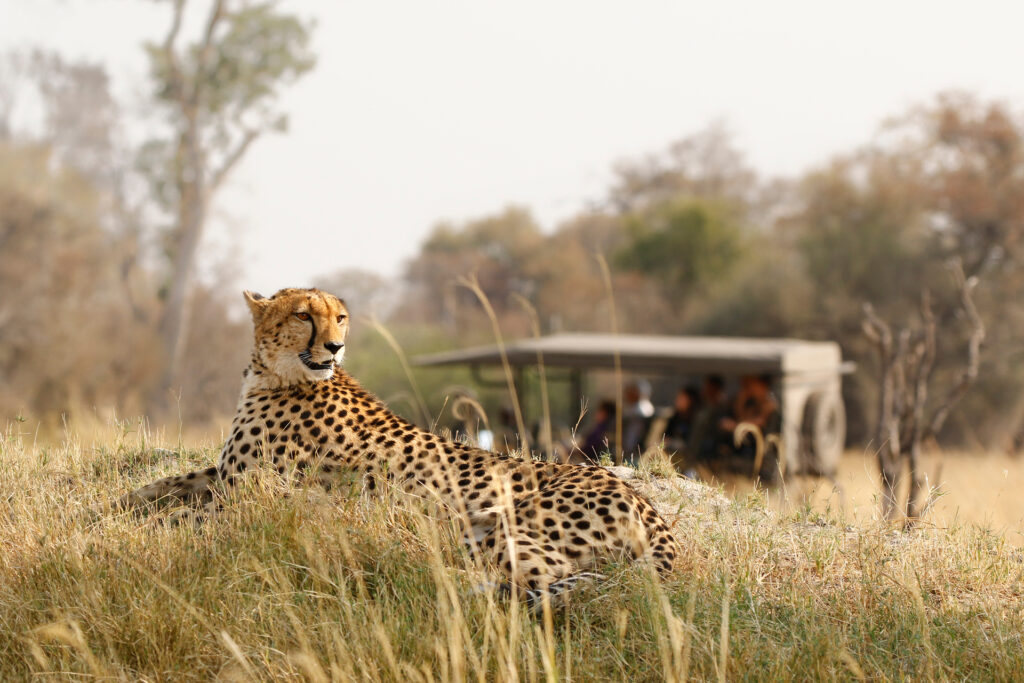
Predators to Watch During the January Migration
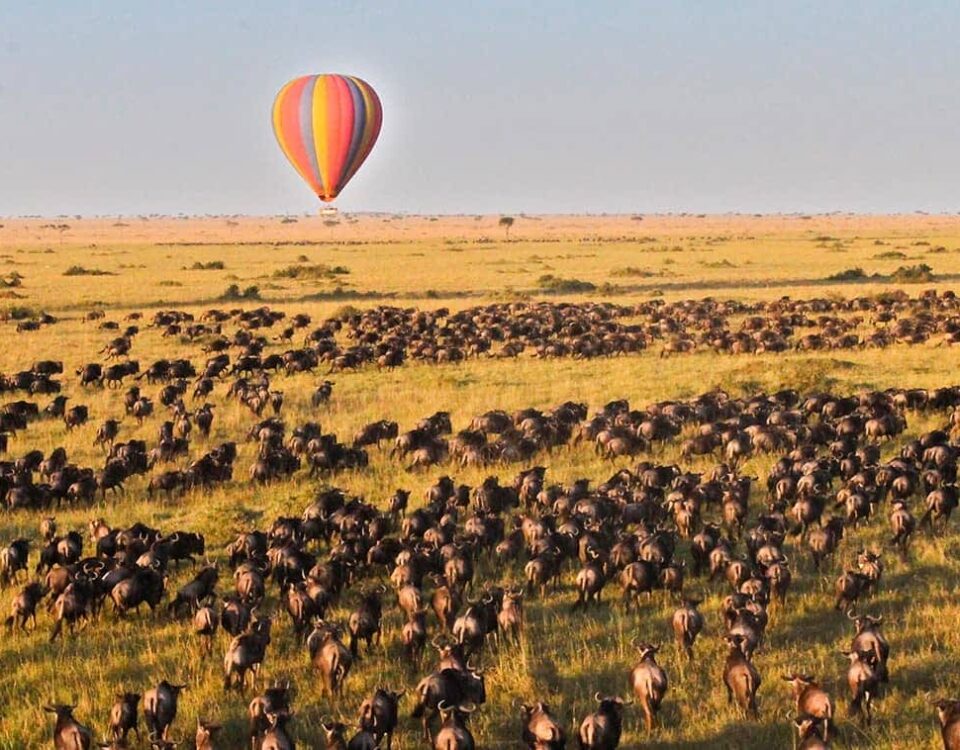
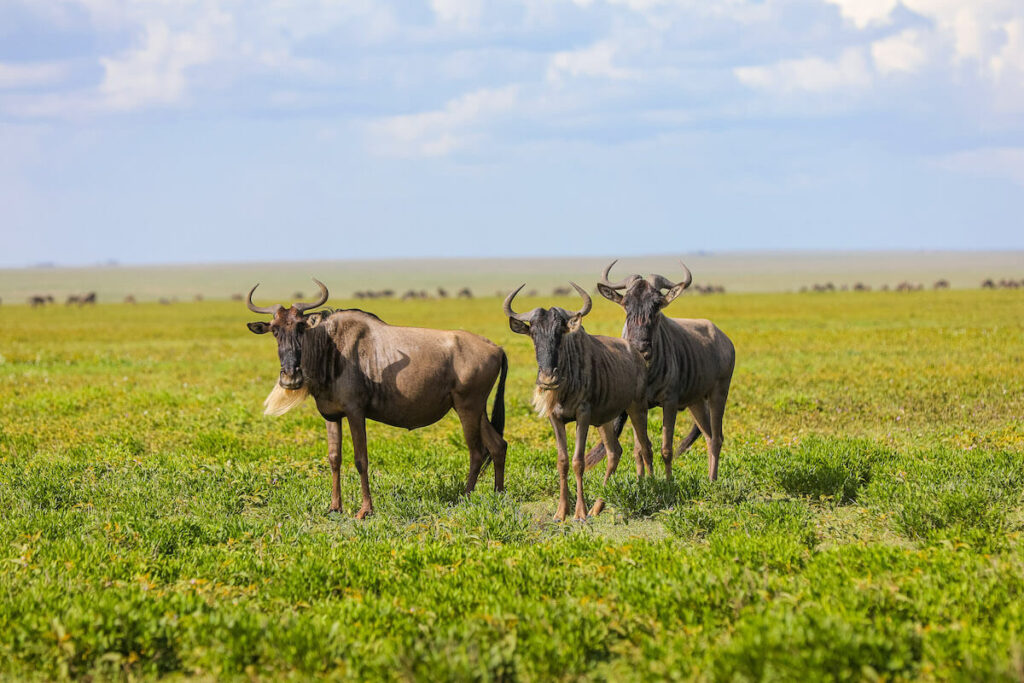
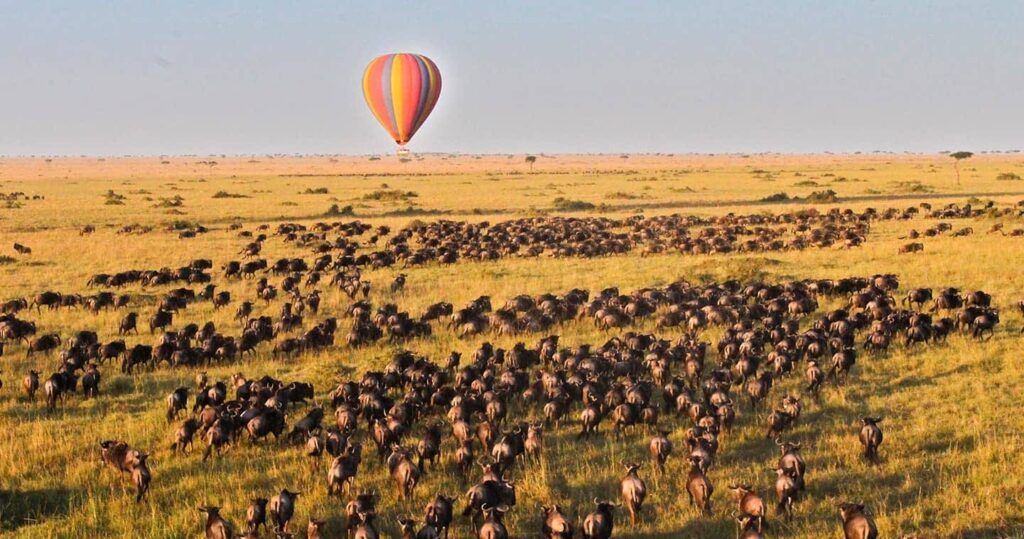
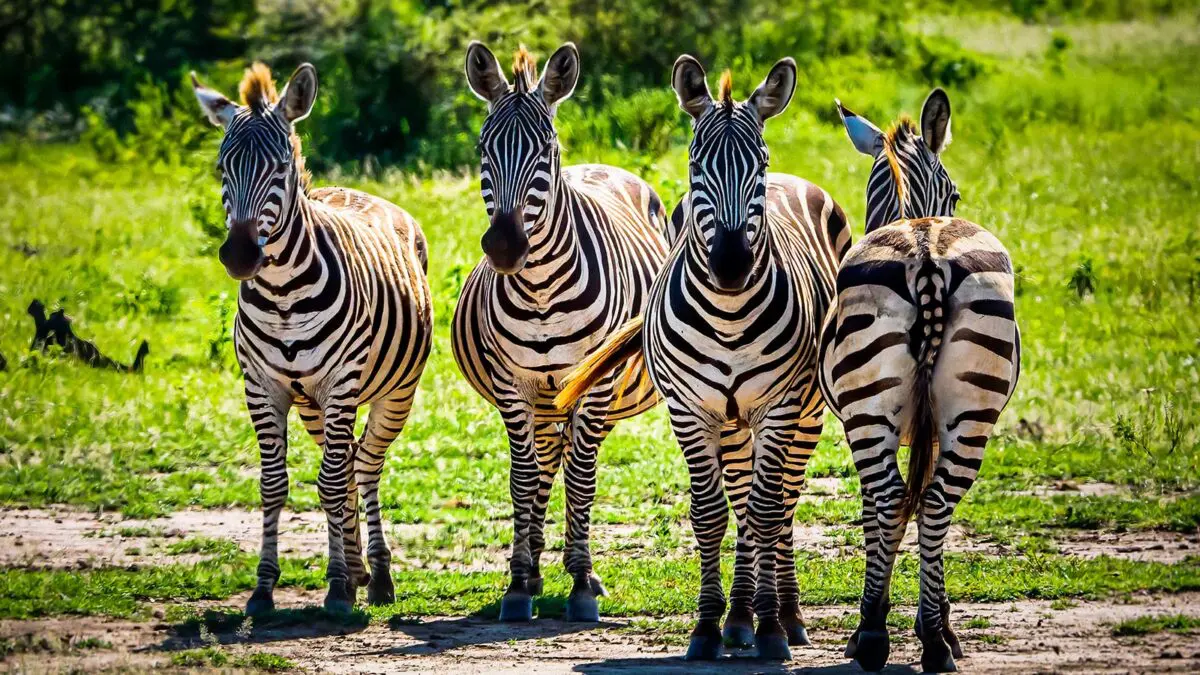
Predators to Watch During the January Migration is an essential topic for travellers seeking thrilling wildlife encounters in Tanzania’s famous Serengeti National Park. During January, the southern Serengeti and the Ndutu plains often become major centres of wildlife activity. Seasonal rains encourage fresh grass to grow, attracting large herds of wildebeest and zebras into these fertile landscapes. Their arrival creates excellent opportunities to observe predators hunting, resting, defending territories, and raising their young.
For visitors planning Tanzania Great Migration Safaris, January offers a fascinating combination of dramatic wildlife encounters and beautiful natural scenery. Unlike destinations where wildlife viewing depends on a single attraction, the Serengeti supports an interconnected ecosystem. Herbivores search for nutritious grass, while carnivores follow changing prey movements across open plains, woodland edges, and seasonal wetlands. Consequently, travellers may encounter lions surveying the grasslands, cheetahs scanning open ground, leopards resting in trees, and hyenas moving between feeding areas.
Beyond spectacular sightings, Tanzania Wildlife Safaris provide opportunities to understand how predators survive within a complex natural environment. Every animal plays a role in maintaining ecological balance, from powerful lions to smaller carnivores that often receive less attention. January is particularly interesting because many wildebeest give birth in the southern plains, increasing the availability of vulnerable young animals for opportunistic predators. However, sightings and hunting activity vary with rainfall, animal movements, and local conditions.
At Terenga Africa Safaris & Travel Ltd, we recognise that meaningful safari experiences involve more than photographing wildlife. Knowledgeable guiding, responsible viewing practices, realistic expectations, and thoughtful itinerary planning help travellers appreciate Tanzania’s remarkable biodiversity. Whether you are a first-time visitor, wildlife photographer, or experienced safari enthusiast, understanding the predators of the January migration can enrich your journey across the Serengeti ecosystem.
Which Predators Can You See During the January Migration?
Why Are Lions Among the Most Fascinating Predators?
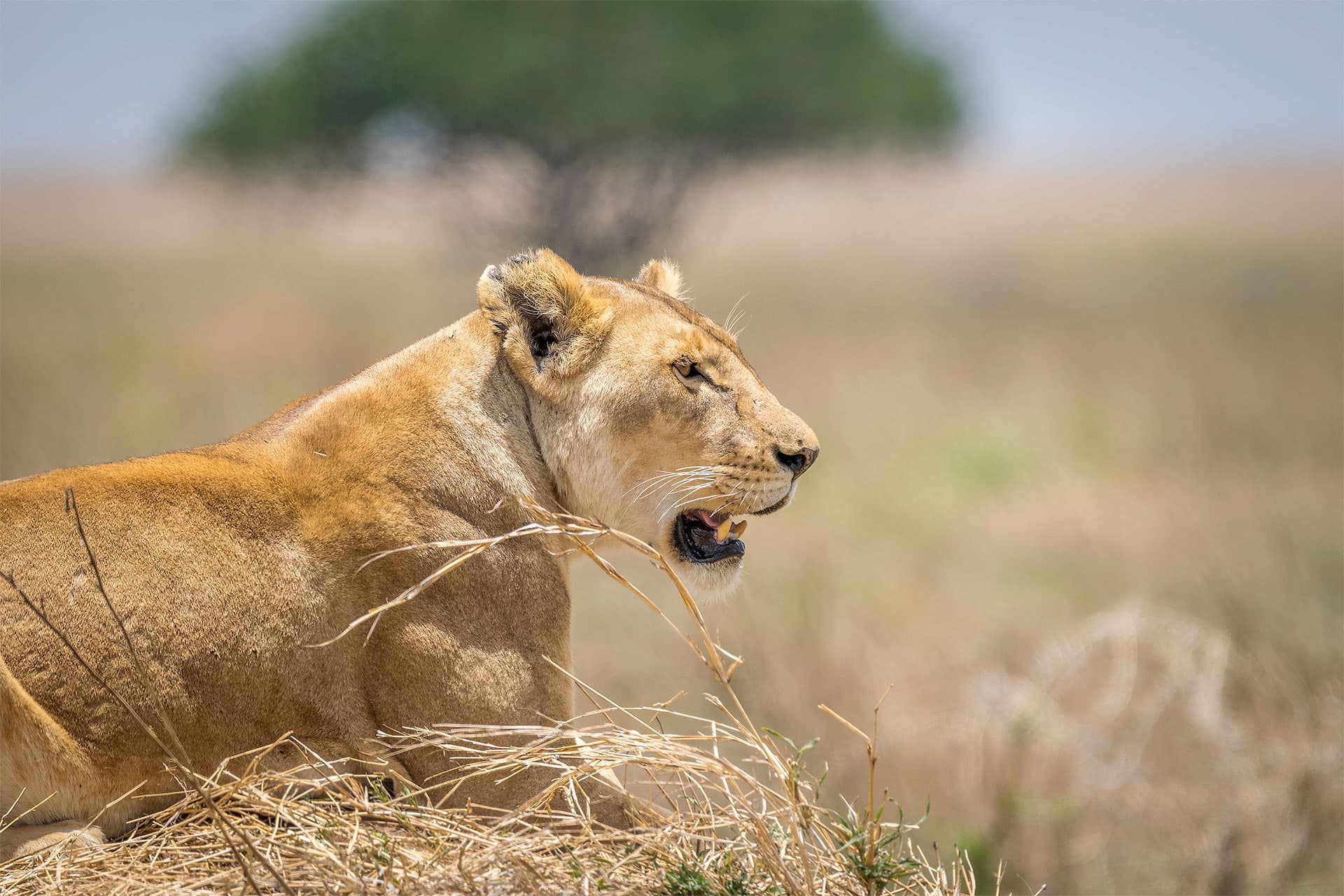
Lions are among the most sought-after animals during Tanzania Great Migration Safaris. These powerful cats inhabit different parts of the Serengeti ecosystem, including the southern plains, where migrating herbivores provide important hunting opportunities. Their social structure, cooperative behaviour, and impressive physical presence make them particularly rewarding subjects for wildlife observation.
During January, travellers may find lion prides resting beneath acacia trees, moving through tall grass, or watching herds of wildebeest from elevated ground. Hunting activity can increase when prey becomes accessible, although lions spend many hours resting and conserving energy. A patient guide can help visitors recognise territorial behaviour, communication between pride members, and interactions between adults and cubs.
Lions do not hunt continuously, and successful hunts are never guaranteed. Nevertheless, their presence around seasonal grazing areas can create memorable viewing opportunities. Observing a pride from a respectful distance also reveals how these predators cooperate, protect their young, and compete for food.
For travellers interested in Tanzania Wildlife Safaris, lions represent more than a dramatic photograph. Their behaviour demonstrates the relationship between predator populations, prey availability, and habitat conditions. Responsible guides prioritise animal welfare while helping guests interpret these natural encounters.
Predators to Watch During the January Migratio
What Makes Cheetahs Special During January?
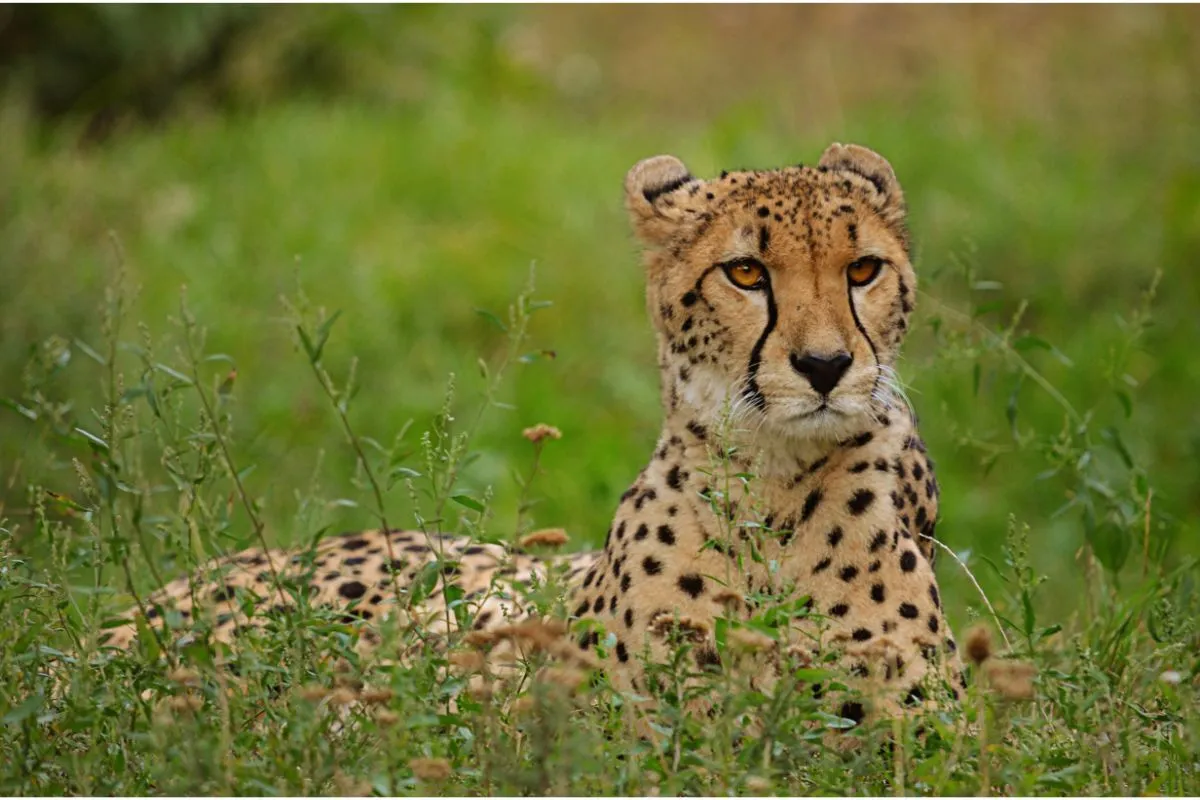
Cheetahs are among Africa’s most remarkable predators because of their speed, agility, and specialised hunting techniques. The open grasslands around Ndutu and the southern Serengeti can provide suitable habitat for these cats, particularly where vegetation allows them to spot potential prey. During Tanzania Great Migration Safaris, visitors may see cheetahs standing on termite mounds, walking through short grass, or scanning the plains from low rises.
Unlike lions, cheetahs generally rely on speed and precise timing rather than strength or cooperative attacks. They often approach prey carefully before accelerating over a short distance. Their hunting success depends on several factors, including distance, terrain, prey awareness, and the condition of the individual animal.
January can be an interesting period for observing cheetahs because wildebeest calves and other young herbivores may be present across the southern plains. However, these young animals also face numerous other threats, and cheetahs do not depend exclusively on newborn wildebeest. Gazelles and other suitable prey remain important parts of their diet.
Photographers often appreciate the open landscapes because they can provide clearer views of cheetahs moving across the grasslands. Even so, sightings depend on animal movements and prevailing conditions. During Tanzania Safaris, allowing sufficient time for wildlife drives can improve the opportunity to observe these elusive cats without rushing from one location to another.
Where Might You Spot Leopards During the Migration?
Leopards are secretive, adaptable cats that frequently reward patient wildlife observers. Although they are not as closely associated with the open migration plains as lions and cheetahs, they inhabit suitable areas throughout the wider Serengeti ecosystem. Woodland patches, rocky outcrops, riverine vegetation, and mature trees can provide shelter, hunting opportunities, and resting places.
During January, travellers undertaking Tanzania Wildlife Safaris may encounter leopards resting along branches or moving quietly through shaded vegetation. Their spotted coats provide effective camouflage, making them difficult to detect without an experienced guide. Sometimes, a tail hanging from a tree or the outline of a cat among branches provides the first clue.
Leopards are solitary hunters that often stalk prey before launching a short, powerful attack. They can also carry their kills into trees, reducing the likelihood of losing food to competing carnivores. These behaviours make leopard sightings particularly interesting for visitors who enjoy learning about animal adaptations.
Because leopards remain elusive, travellers should avoid expecting a guaranteed encounter. Instead, appreciate the broader wildlife experience and trust your guide’s knowledge of local habitats. A quiet sighting of a leopard resting naturally can be just as rewarding as watching a dramatic hunt during Tanzania Great Migration Safaris.
Predators to Watch During the January Migratio
Why Are Spotted Hyenas Important to the Serengeti Ecosystem?
Spotted hyenas are intelligent, social carnivores that play a significant role in the Serengeti’s ecological system. Although many visitors associate them mainly with scavenging, they are also effective hunters capable of pursuing prey independently or in groups. Their powerful jaws, endurance, and complex social relationships make them among the most successful large carnivores in Africa.
During January, the arrival of migrating wildebeest and the presence of newborn calves may attract hyenas to productive feeding areas. Travellers on Tanzania Safaris might observe individuals travelling across open plains, interacting near dens, or gathering around a carcass. Their calls and distinctive social behaviour add another dimension to the Serengeti’s nighttime and early-morning wildlife activity.
Hyenas also contribute to ecosystem health by consuming carcasses and helping recycle nutrients. Their feeding behaviour can reduce the amount of animal remains left in the environment, although scavenging is only one part of their ecological role. They also compete with lions for food, creating fascinating relationships between dominant predators.
Watching hyenas provides valuable insight into the complexity of Tanzania Wildlife Safaris. Rather than viewing them simply as secondary characters, visitors can appreciate their hunting skills, family structures, and adaptability. These often-underestimated animals are essential members of the Serengeti ecosystem.
Can You See Jackals and Other Smaller Carnivores?
Although lions, cheetahs, leopards, and hyenas often dominate wildlife discussions, smaller carnivores also deserve attention during Tanzania Great Migration Safaris. Black-backed jackals, side-striped jackals in suitable habitats, and other small predators occupy different ecological niches. Their feeding habits, alert behaviour, and interactions with larger carnivores offer additional opportunities for observation.
Jackals may search for rodents, insects, birds, reptiles, carrion, and other available food. During the wildebeest calving season, they may also take advantage of vulnerable young animals when opportunities arise. Their adaptability helps them survive across varied habitats, including open plains and areas with thicker vegetation.
Smaller carnivores can be easier to overlook because travellers often concentrate on finding the larger cats. However, observing a jackal pair communicating, investigating the grass, or moving cautiously near a herd can provide an equally valuable wildlife experience. These encounters are especially rewarding for visitors who enjoy animal behaviour and ecological detail.
For anyone planning Tanzania Safaris, a knowledgeable guide can help identify these species and explain their roles within the food web. Paying attention to smaller predators creates a more complete understanding of the migration, showing that the Serengeti’s natural drama involves far more than its most famous animals.
What Are the Expectations During a January Predator Safari?
Travellers joining Tanzania Great Migration Safaris in January should expect changing wildlife conditions, beautiful landscapes, and opportunities to observe predator behaviour. The southern Serengeti and Ndutu area often attract substantial wildebeest herds during the calving season. However, herd distribution changes with rainfall, grass availability, and local environmental conditions.
Morning and late-afternoon game drives usually provide productive opportunities for wildlife viewing because many animals become active during cooler periods. Guides may search open plains for cheetahs, inspect rocky or wooded areas for leopards, and follow fresh tracks when conditions allow. Lions and hyenas may be visible throughout the day, although their behaviour changes with temperature and feeding patterns.
Importantly, a predator safari does not guarantee hunting scenes or close encounters with every species. Wildlife moves freely, and some animals remain hidden for extended periods. Travellers should approach each drive with patience and appreciate the smaller discoveries along the way, including birds, grazing herbivores, tracks, and interactions between different species.
Comfortable accommodation, suitable clothing, reliable transport, and a flexible schedule can make Tanzania Wildlife Safaris more enjoyable. Visitors should also prepare for occasional rain, muddy tracks, and changing road conditions during the green season. Responsible operators adjust their plans to local circumstances while keeping wildlife welfare and guest safety in mind.
When Is the Best Time for a January Migration Predator Safari?
January is often an excellent month for exploring the southern Serengeti and Ndutu plains, particularly for travellers interested in wildebeest calving and predator activity. Seasonal rainfall can produce fresh grass and green landscapes, while large herbivore herds may gather in productive grazing areas. These conditions can create opportunities to observe lions, cheetahs, hyenas, and other carnivores.
Nevertheless, the exact timing and location of the migration vary each year. Rainfall patterns, vegetation growth, and changing water availability influence where wildebeest gather. Therefore, travellers should plan around the expected seasonal pattern rather than assume the animals will occupy a specific location on a particular date.
For Tanzania Safaris, January through February is commonly associated with the calving period in the southern Serengeti ecosystem, although conditions differ from year to year. Visitors who want to maximise wildlife-viewing opportunities should consider spending several nights in suitable areas rather than relying on a brief visit. Flexibility allows guides to respond to fresh sightings and changing animal movements.
Travellers interested in other migration phases may prefer different months, depending on their priorities. River-crossing experiences generally occur later in the year and are not a reliable January expectation. Choosing the right season depends on whether you prioritise newborn wildebeest, predator interactions, dramatic river crossings, or broader wildlife exploration.
Predators to Watch During the January Migratio
Why Choose Terenga Africa Safaris & Travel Ltd for This Safari?
Planning a rewarding wildlife journey requires more than selecting a destination. Terenga Africa Safaris & Travel Ltd helps travellers explore Tanzania through carefully considered safari arrangements that reflect their interests, travel dates, comfort preferences, and budgets. Our approach focuses on clear communication, practical planning, and an appreciation of Africa’s natural and cultural heritage.
For guests interested in Tanzania Great Migration Safaris, itinerary planning should consider seasonal wildlife movements, travel distances, accommodation locations, and the time available for game drives. Staying in a suitable area can reduce unnecessary driving and create more opportunities to observe animals at different times of day. We encourage realistic expectations because wildlife sightings depend on natural conditions rather than fixed schedules.
Our safari planning can also incorporate broader Tanzania Wildlife Safaris, including visits to other national parks when they suit the route and duration. Depending on the itinerary, travellers may combine the Serengeti with Ngorongoro Conservation Area, Tarangire National Park, or Lake Manyara National Park. Each destination offers different habitats and wildlife-viewing opportunities.
We believe trustworthy travel planning includes transparent information about inclusions, exclusions, accommodation standards, park fees, transport arrangements, and optional activities. Guests should understand what their package covers before confirming their journey. By prioritising practical advice and responsible wildlife viewing, Terenga Africa Safaris & Travel Ltd aims to help international visitors experience Tanzania with confidence and respect for its natural environment.
What Should You Pack for a January Predator Safari?
Packing appropriately can improve comfort during Tanzania Safaris, particularly when travelling through the southern Serengeti during the green season. January conditions may include warm daytime temperatures, cooler mornings, and occasional rainfall. Lightweight clothing, a warm layer, and a waterproof jacket provide flexibility throughout changing weather conditions.
Neutral-coloured clothing in shades of brown, green, khaki, and beige works well for safari activities. Comfortable walking shoes, a wide-brimmed hat, sunglasses, and sunscreen help protect against sun exposure. Although game drives usually involve travelling by vehicle, practical footwear remains useful around camps and lodges.
Wildlife enthusiasts should consider bringing binoculars and a camera with a suitable zoom lens. Extra memory cards, spare batteries, and a reliable charging system help preserve valuable photographs. A small day bag can hold personal essentials, while insect repellent and any necessary personal medication support everyday comfort.
Rain protection is particularly useful during January because showers can affect roads and outdoor activities. Reusable water bottles, travel documents, and a small torch may also prove helpful, depending on the accommodation arrangements. Before departure, confirm luggage restrictions with your safari operator, especially when the itinerary includes small aircraft transfers.
How Can Visitors Observe Predators Responsibly?
Responsible viewing is central to meaningful Tanzania Wildlife Safaris. Predators need space to hunt, rest, feed, and care for their young without unnecessary disturbance. Visitors should remain inside authorised safari vehicles unless their guide identifies a safe, permitted place to leave them. Following park regulations protects both wildlife and people.
Drivers should maintain appropriate distances, avoid blocking animal movements, and never pursue predators aggressively for photographs. Excessive noise, crowding, or attempts to attract an animal’s attention can disrupt natural behaviour. Respectful observation allows travellers to witness wildlife without creating unnecessary stress.
Choosing responsible tourism practices also supports the long-term protection of Tanzania’s extraordinary landscapes. National parks and conservation areas depend on effective management, community engagement, and sustainable tourism practices. Visitors can contribute by respecting local guidance, minimising waste, and treating staff and nearby communities with consideration.
Through informed planning and responsible conduct, Tanzania Great Migration Safaris can become more than a holiday. They can provide a deeper appreciation of wildlife conservation and the delicate relationships that sustain the Serengeti ecosystem.
 Conclusion: Which Predators Will Make Your January Safari Memorable?
Predators to Watch During the January Migration offers an exciting starting point for discovering the natural drama of Tanzania’s southern Serengeti. Lions, cheetahs, leopards, spotted hyenas, and jackals each demonstrate different survival strategies within a landscape shaped by seasonal rainfall and migrating herbivores.
January can be especially rewarding for travellers interested in wildebeest calving and predator behaviour. However, the most successful safari experience combines sensible seasonal planning, knowledgeable guiding, patience, and realistic expectations. Every game drive brings different possibilities, making the natural world more fascinating than any fixed wildlife checklist.
With thoughtful arrangements from Terenga Africa Safaris & Travel Ltd, visitors can explore Tanzania’s wildlife heritage while appreciating the importance of conservation and responsible tourism. Whether you are planning your first African adventure or returning for another wildlife journey, the Serengeti offers an unforgettable opportunity to connect with nature.
Best Trending Tanzania Safari Holidays for 2027/2028
- 12-Day Tanzania Wildlife Safari
- 10-Day Tanzania Wildlife Safari & Zanzibar
- 10-Day Best Tanzania Honeymoon Luxury Safari and Zanzibar Beach Getaway
- 9-Day Ultimate Tanzania Wildlife Safari
- 9-Day Tanzania Adventure Safari
- 8-Day Tanzania Mid-Range Safari
- 8-Day Tanzania Northern Circuit Safari
- 7-Day Tanzania Wildlife Safari
- 7-Day Tanzania Wildlife Wonders Experience Tour
- 6-Day Majestic Tanzania Wildlife Luxury Safari
- 5-Day Kenya Wildlife Budget Safari
- 13-Day Tanzania Wildlife Tour & Zanzibar Beach Holiday
- 12-Day Tanzania Wildlife Safari Itinerary
- 11-Day Tanzania & Zanzibar Safari Adventure
- 11 Days Magical Kenya and Tanzania Safari
- 4-Day Tanzania Safari Extension Itinerary
- 5-Day Tanzania Safari Extension
- 9-Day Tanzania Wildlife Safari Adventure
- 7 Days Tanzania Safari Holiday
- 8 Days Tanzania Safari Holiday Itinerary