
14-Day Mozambique Grand Wildlife Safari
Mozambique offers something rare in modern travel: wild land, warm ocean, and living culture in one country. Our 14-Day Mozambique Grand Wildlife Safari carries you from elephant country to coral gardens. You begin in Maputo, a coastal capital shaped by Portuguese, Arab, and African hands. Afterwards, you track coastal elephants inside Maputo Special Reserve, one of Africa’s great conservation comebacks. Then the journey lifts north to the Bazaruto Archipelago, where dugongs still graze quiet seagrass meadows. Gorongosa National Park follows, and few parks on earth tell a stronger restoration story. Finally, you sail the Quirimbas Archipelago aboard a hand-built dhow. Terenga Africa Safaris and Travel Ltd designed this route for travellers who want depth rather than a checklist.
Every day of the 14-Day Mozambique Grand Wildlife Safari balances wildlife with genuine human connection. You meet silversmiths on Ibo Island and coffee farmers on Mount Gorongosa. Meanwhile, expert guides explain ecology, history, and community partnership in plain language. Our team has walked these reserves, slept in these lodges, and eaten in these villages. Consequently, we recommend only camps that treat guests well and pay staff fairly. Small group sizes protect both your experience and the places you visit. Furthermore, private vehicles give you freedom to linger at a sighting. Travellers from Europe, North America, Asia, and across Africa join this route each season. Above all, the 14-Day Mozambique Grand Wildlife Safari suits curious people who value real encounters. Read the day-by-day detail below, then talk to us about your travel dates.

14-Day Mozambique Grand Wildlife Safari Highlights
Day |
Activities |
Accommodation |
|---|---|---|
| 1 | Arrival in Maputo, city orientation drive | Polana Serena Hotel, Maputo |
| 2 | Transfer to Maputo Special Reserve, afternoon game drive | Montebelo Milibangalala Bay Resort |
| 3 | Full-day elephant tracking, coastal dune walk | Montebelo Milibangalala Bay Resort |
| 4 | Flight to Vilanculos, dhow transfer to Benguerra Island | Azura Benguerra Island |
| 5 | Two Mile Reef snorkelling, dugong and dolphin search | Azura Benguerra Island |
| 6 | Island village visit, sunset dhow sail | Azura Benguerra Island |
| 7 | Flight to Beira, road transfer into Gorongosa National Park | Muzimu Lodge, Gorongosa |
| 8 | Sunrise and sunset game drives on the Urema floodplain | Muzimu Lodge, Gorongosa |
| 9 | Mount Gorongosa hike, coffee project and waterfall visit | Muzimu Lodge, Gorongosa |
| 10 | Flight to Pemba, transfer to Ibo Island, fort tour | Ibo Island Lodge, Quirimbas |
| 11 | Dhow safari and island hopping, sandbank picnic | Ibo Island Lodge, Quirimbas |
| 12 | Mangrove kayaking, Quirimbas marine reserve snorkelling | Ibo Island Lodge, Quirimbas |
| 13 | Flight to Maputo, Mafalala heritage walk, craft markets | Polana Serena Hotel, Maputo |
| 14 | Final breakfast, airport transfer, departure | — |
Detailed: 14-Day Mozambique Grand Wildlife Safari
Day 1: Arrival in Maputo
Your 14-Day Mozambique Grand Wildlife Safari begins the moment you land at Maputo International Airport. A Terenga Africa Safaris and Travel Ltd representative meets you inside the arrivals hall. Afterwards, a short private transfer carries you to the Polana Serena Hotel above the Indian Ocean. This 1922 landmark still holds its polished wooden floors and long sea-facing verandas. Settle in, swim, and shake off the flight at your own pace. Later, your guide offers a gentle orientation drive along the Marginal, the city’s ocean road. Jacaranda trees, Art Deco façades, and busy cafés set the tone for the fortnight ahead.
Maputo repays curiosity, so we build culture into your very first evening. Walk through the Mercado Central, an iron-framed market from 1901 that still sells cashews and piri-piri. Nearby, the Iron House and the cathedral show two very different colonial ambitions. Musicians across the city play marrabenta, a rhythm born in Maputo’s working suburbs during the 1950s. Consequently, many restaurants pair grilled prawns with live guitar and shaker percussion. Try matapa, a rich stew of cassava leaves, peanut, and coconut milk. Our guides introduce you to vendors and artists they have known for years. Therefore, your first night feels like an introduction rather than a transaction.
Day 2: Into Maputo Special Reserve
After breakfast, you leave the capital behind and drive south toward Matutuine district. Roughly three hours later, the gates of Maputo Special Reserve open onto a landscape of dunes, grassland, and freshwater lakes. This reserve protects a famous population of coastal elephants that survived decades of conflict. Your first afternoon game drive follows sandy tracks toward Lake Piti and the open plains. Reedbuck, red duiker, and waterbuck feed close to the treeline at dusk. Meanwhile, hundreds of bird species move through the wetlands, including African fish eagles and flamingos. Montebelo Milibangalala Bay Resort becomes your base, with rooms facing an empty stretch of ocean.
Culture sits right beside the wildlife here, and the 14-Day Mozambique Grand Wildlife Safari makes room for it. The Ronga and Tsonga communities around Matutuine have farmed and fished this coast for generations. Visit a nearby village to watch cassava drying, coconut husking, and hand-line fishing from small boats. Elders explain how the reserve’s expansion changed grazing, travel, and income for local families. In addition, community rangers now form the backbone of anti-poaching patrols across the reserve. Women’s cooperatives weave palm-leaf baskets and mats that you can buy directly. Your purchase supports households rather than middlemen, which matters greatly in this corner of Mozambique.

Maputo National Park
Day 3: Elephants, Dunes, and Ocean
Today belongs entirely to Maputo Special Reserve and its recovering wilderness. Set out early, when elephants leave the thick coastal forest to drink at open pans. Guides read tracks, dung, and broken branches to predict where the herds will appear. Patience pays off, and sightings here feel earned rather than staged. Around midday, you picnic beneath a canopy of sycamore figs beside a quiet lake. Afterwards, the route climbs onto vegetated dunes that rank among the tallest on this coastline. From the ridge, you see forest on one side and empty surf on the other. Loggerhead and leatherback turtles nest along these beaches between November and February.
Late afternoon brings a guided walk toward the Milibangalala shoreline with a local naturalist. Coastal forest, grassland, and mangrove meet within a few hundred metres here. Consequently, birdlife is extraordinary, from Rudd’s apalis to palm-nut vultures overhead. Fishermen pull in nets as the light softens, and children run the shallows alongside them. Join them briefly, then learn how families smoke and salt their catch for market. Back at the lodge, dinner features fresh sailfish or prawns grilled over coals. Stargazing follows, because almost no artificial light reaches this part of southern Mozambique. Nights like this explain why guests remember the 14-Day Mozambique Grand Wildlife Safari for years.
Day 4: Flight North to the Bazaruto Archipelago
Morning brings a transfer back to Maputo and a scheduled flight to Vilanculos. The journey takes roughly ninety minutes, with long views over the Mozambique Channel. On landing, a boat or helicopter carries you across to Benguerra Island. Turquoise shallows, white sandbanks, and dark seagrass beds slide past beneath you. Azura Benguerra Island welcomes you with hand-built villas, each one crafted by local artisans. This lodge opened as Mozambique’s first community-partnered private island retreat. Settle into your villa, swim in the plunge pool, and let island time take over. Bazaruto National Park protects these waters, so marine life here remains unusually rich.
Benguerra holds around one thousand residents who farm, fish, and build boats by hand. Walk inland with a village guide to see cassava plots, coconut palms, and freshwater wells. Boat builders shape dhow hulls using tools and techniques passed down across generations. Meanwhile, women collect shellfish on the flats using knowledge that no chart records. Visit the island school and clinic that lodge guests have helped fund since 2007. Evening light draws fishermen home, and their songs carry across the channel. Dinner combines Portuguese, Indian, and Mozambican influences, which sums up this coast neatly. Guests on the 14-Day Mozambique Grand Wildlife Safari often call Benguerra their favourite stop.

Day 5: Marine Safari in Bazaruto National Park
Wildlife viewing moves underwater today, and the shift feels dramatic. Depart by boat for Two Mile Reef, a shallow coral system between Benguerra and Bazaruto islands. Visibility often exceeds twenty metres, which reveals extraordinary colour and structure. Snorkellers drift above potato bass, blue-spotted rays, and vast shoals of fusiliers. Certified divers explore deeper walls where giant trevally and reef sharks patrol. Bazaruto also shelters East Africa’s last viable dugong population, so your skipper scans the seagrass constantly. Humpback whales pass through between July and October on their annual migration. Bottlenose and humpback dolphins appear year-round around the channel mouths.
Midday finds you anchored beside a shifting sandbank for a private lunch. Afterwards, the crew explains how tides, currents, and moon phases shape daily fishing decisions. Their knowledge represents generations of observation rather than formal training. Later, visit a fishing camp on Bazaruto Island where families dry their catch in the sun. Conversations here cover conservation, quotas, and the balance between tourism and tradition. Park fees from the 14-Day Mozambique Grand Wildlife Safari support ranger patrols across these islands. Return at golden hour, when the dunes of Bazaruto glow orange above the water. Few marine experiences in Africa match this combination of wildlife, culture, and scale.
Day 6: Island Life and Sunset Sailing
A slower day suits the rhythm of the archipelago perfectly. Begin with a horseback ride along the beach, or paddle a kayak through the shallows. Alternatively, take a guided walk to Benguerra’s inland lakes where Nile crocodiles still live. Birders find flamingos, crab plovers, and green coucals within easy reach of the lodge. Around midday, join a cooking session with the kitchen team at Azura Benguerra Island. Learn to prepare matapa, coconut rice, and piri-piri prawns the way island families do. Recipes here mix African staples with Portuguese and Goan influence, which reflects centuries of trade.
Late afternoon delivers the classic image of this coastline: a dhow under full sail. Climb aboard as the crew raises the lateen sail and catches the offshore breeze. Sailing dhows carried goods along this coast long before Vasco da Gama arrived in 1498. Consequently, every hull, mast, and knot reflects an old Indian Ocean trading world. Your crew sings while working, and the rhythm keeps the whole boat in time. Sunset turns the sandbanks pink, then purple, then silver under early stars. Back ashore, a beach dinner closes your island chapter of the 14-Day Mozambique Grand Wildlife Safari. Tomorrow the journey turns inland toward one of Africa’s most remarkable national parks.

Gorongosa National Park
Day 7: Arrival in Gorongosa National Park
Fly from Vilanculos to Beira, then drive inland toward the southern arm of the Great Rift Valley. Gorongosa National Park spreads across roughly 4,000 square kilometres of floodplain, woodland, and mountain. Civil war devastated its wildlife between 1977 and 1992, reducing large mammals by more than ninety percent. Since 2004, an ambitious restoration partnership has rebuilt the park and its surrounding communities. Today, waterbuck, buffalo, sable, elephant, and lion move across the Urema floodplain again. Muzimu Lodge becomes your base, set among fever trees with wide views over the grassland. Arrive in time for an afternoon drive as light softens across the plains.
Gorongosa treats conservation and community development as one single project, not two. Health workers, farmers, and teachers all form part of the park’s long-term plan. Visit a nearby village where sustainable agriculture programmes have replaced slash-and-burn cultivation. Farmers explain crop rotation, beekeeping, and cashew processing with obvious pride. Meanwhile, girls’ education clubs keep thousands of young women in school across the buffer zone. Local Sena and Ndau traditions remain strong here, especially in music and storytelling. Drummers and dancers often perform at the lodge, and guests join in without ceremony. Few destinations on the 14-Day Mozambique Grand Wildlife Safari feel this genuinely hopeful.
Day 8: Wildlife on the Urema Floodplain
Dawn game drives in Gorongosa National Park reward early risers generously. Mist lifts off the Urema floodplain as thousands of waterbuck graze in loose herds. This park now holds the densest waterbuck population anywhere on the continent. Lions have recovered strongly, and prides hunt openly across the open grassland. Elephant families move between palm islands and thick miombo woodland at the park’s edge. Wild dogs returned in 2018 after a long absence, and sightings grow more frequent each season. Birders record hundreds of species, including the striking Böhm’s bee-eater and green-headed oriole. Your guide explains each recovery story while you watch it unfold in real time.
Afternoons offer a choice of activities depending on season and interest. Visit the E.O. Wilson Biodiversity Laboratory, where Mozambican scientists study everything from bats to ants. Researchers describe new species here regularly, which reveals how little we still know. Alternatively, take a boat trip on Lake Urema during the wetter months. Crocodiles, hippos, and fish eagles gather along the shrinking shoreline as the dry season advances. Sundowners on a termite mound close the day beautifully. Afterwards, dinner at Muzimu Lodge comes with frog calls and distant lion contact roars. Days like this show why the 14-Day Mozambique Grand Wildlife Safari includes three nights here.
Day 9: Mount Gorongosa and the Coffee Project
Mount Gorongosa rises to 1,863 metres and creates its own weather system. Rainforest cloaks the upper slopes, which feed the rivers that sustain the entire park below. Set out early for the hike toward Murombodzi Waterfall through montane forest and grassland. Butterflies, orchids, and endemic birds accompany you along the route. The green-headed oriole lives nowhere else in Mozambique, so birders watch carefully here. Guides from nearby villages lead every walk and read the forest with total confidence. Consequently, the day works as both a hike and a masterclass in local ecology.
Coffee explains much of this mountain’s recent transformation. Deforestation once threatened the watershed, so the park introduced shade-grown coffee as an alternative livelihood. Farmers now tend hundreds of thousands of coffee plants beneath native hardwood trees. Visit the nursery, the drying beds, and the roastery to follow the whole chain. Taste the finished cup while growers describe their harvest year and their plans. Cashew orchards and honey production supplement family incomes across the same slopes. Mount Gorongosa also holds deep spiritual meaning for Ndau communities, who treat certain groves as sacred. Respect for those sites forms part of every visit we arrange. This day often becomes the intellectual centre of the 14-Day Mozambique Grand Wildlife Safari.
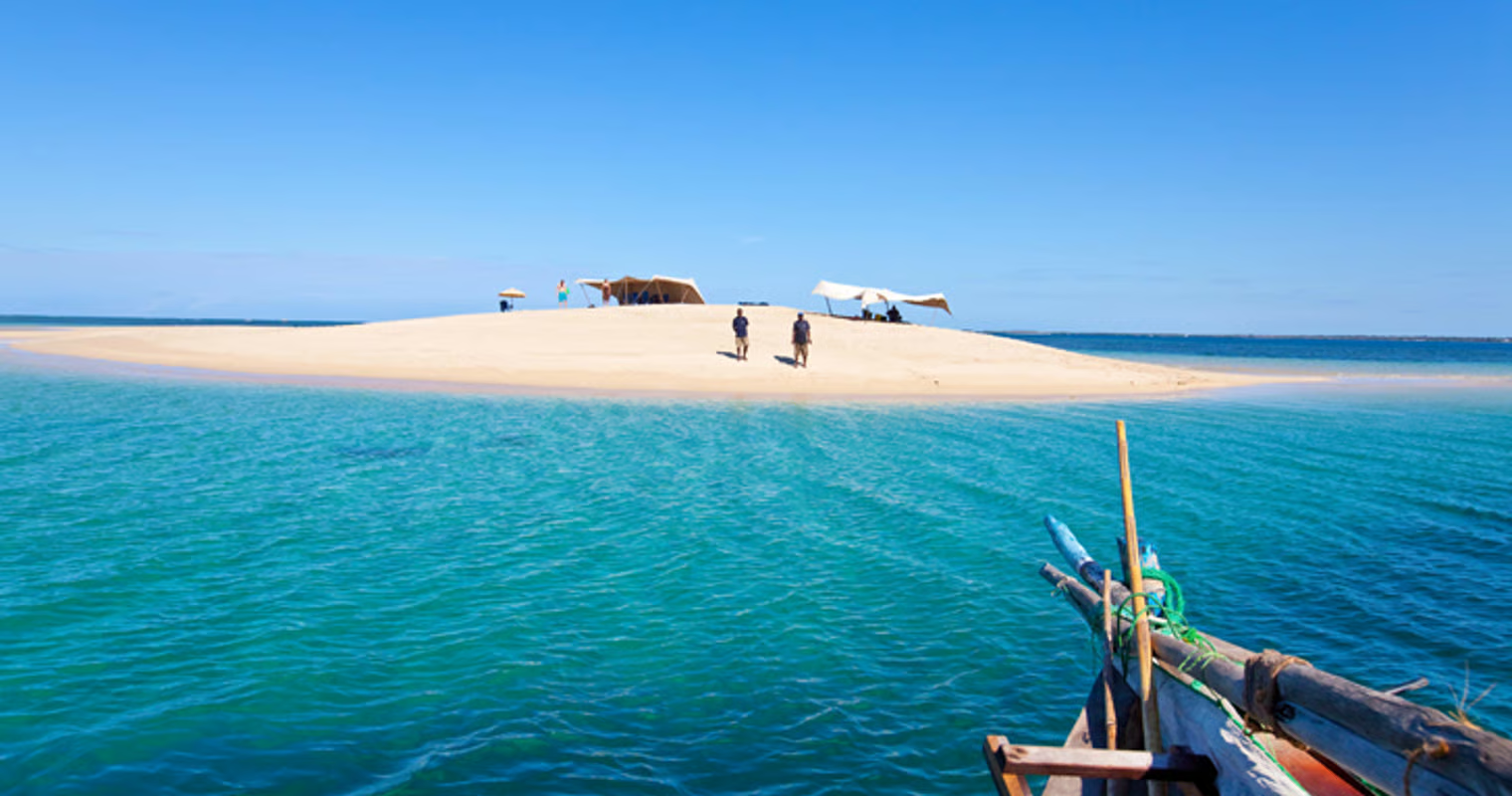
Ibo Island
Day 10: North to Ibo Island and the Quirimbas
Today’s flight carries you from Beira to Pemba, then onward into the Quirimbas Archipelago. Thirty-two coral islands stretch along Mozambique’s far northern coast toward the Tanzanian border. Ibo Island sits at the heart of this chain, and its history runs deep. Arab, Swahili, Indian, and Portuguese traders all shaped the island across a thousand years. Ibo Island Lodge occupies three restored mansions on the waterfront, with wide shaded verandas. Walk the coral-stone streets past crumbling villas, baobabs, and quiet churches. The Fort of São João Baptista, completed in 1791, still guards the harbour in star-shaped silhouette.
Silversmiths work inside that fort every afternoon, and their craft defines modern Ibo. Artisans melt scrap silver, then hammer and file delicate filigree jewellery without machinery. Watch a piece take shape, then commission something to carry home. Makua women across the island wear mussiro, a white face mask made from ground bark. This tradition protects the skin and signals beauty, status, and celebration. Furthermore, local guides explain Ibo’s difficult role in the Indian Ocean slave trade with honesty. History here includes hard chapters, and we never sanitise them. Evening brings grilled fish, coconut curry, and stories on the veranda under lantern light.
Day 11: Dhow Safari Through the Archipelago
Sailing forms the natural way to explore these northern islands. Board a traditional dhow after breakfast and ride the tide toward Quirimba or Matemo Island. Mangrove channels open into clear lagoons and endless white sandbanks. Dolphins often follow the boat, and turtles surface beside the hull without alarm. Land on a deserted bank for a picnic with the crew and your guide. Snorkelling here reveals healthy coral, reef fish, and occasional reef sharks in the channels. Quirimbas National Park protects over 7,500 square kilometres of land and sea, which explains the abundance.
Island communities give the day its human texture. On Quirimba Island, families still manage coconut plantations first planted during the colonial era. Elsewhere, fishermen repair nets and traps beneath palm shade while children play in the shallows. Visit a village school or a small mosque, always with permission and always accompanied. Swahili culture runs strong across this coast, and the local language reflects centuries of Indian Ocean exchange. Boat builders on Ibo shape new dhows using only adzes, saws, and memory. Meanwhile, cooks prepare fresh octopus, coconut rice, and cassava over open fires. Days like this make the 14-Day Mozambique Grand Wildlife Safari far more than a wildlife trip.

Day 12: Mangroves, Reefs, and Quirimbas Wildlife
Your final full day in the Quirimbas mixes gentle adventure with quiet exploration. Launch a kayak at high tide and paddle through dense mangrove forests around Ibo. Mangroves nurse juvenile fish, trap sediment, and shield the coast from storm surge. Kingfishers, herons, and crab plovers hunt along the tangled roots. Later, a boat carries you to deeper reef sites for snorkelling or diving. Manta rays visit cleaning stations here, and humpback whales pass offshore between July and October. Guides record sightings for the park’s marine monitoring programme, so your day contributes real data.
Afternoon offers time for slower pleasures back on Ibo Island. Take a guided walking tour through the old quarter with a historian from the island. Colonial warehouses, the Church of Our Lady of the Rosary, and coral-lime workshops line the route. Join a cooking class to master coconut fish curry and peri-peri marinades. Alternatively, simply swim, read, and watch the tide rearrange the harbour. Sunset at Fort São João Baptista draws residents and guests alike every evening. Musicians sometimes play tufo, a percussion-led dance performed by women in bright capulanas. This last northern night closes the wild chapters of the 14-Day Mozambique Grand Wildlife Safari.
Day 13: Return to Maputo and Urban Culture
Fly south from Pemba to Maputo, where your Mozambican journey began two weeks earlier. The city feels different now, because you understand the country behind it. Check back into the Polana Serena Hotel and enjoy a relaxed lunch. Afterwards, join a guided heritage walk through Mafalala, one of Maputo’s most storied neighbourhoods. Mafalala produced poets, footballers, musicians, and independence leaders across the twentieth century. Local guides raised in the district lead every walk and share its history directly. Reed houses, small churches, and busy lanes reveal a side of Maputo that tourists rarely see.
Shopping and food fill the rest of the afternoon pleasantly. FEIMA craft market in Polana sells woodcarvings, capulana fabric, basketry, and Makonde sculpture. Artists sit beside their work, so you buy directly and hear the story behind each piece. Nearby, the Núcleo de Arte studio has nurtured Mozambican painters and sculptors since 1936. The Fish Market at Costa do Sol lets you choose your seafood, then have it grilled. Order prawns, calamari, or crab with garlic, lemon, and piri-piri. Live marrabenta music usually starts as the evening cools. A farewell dinner with your guide closes the 14-Day Mozambique Grand Wildlife Safari properly.
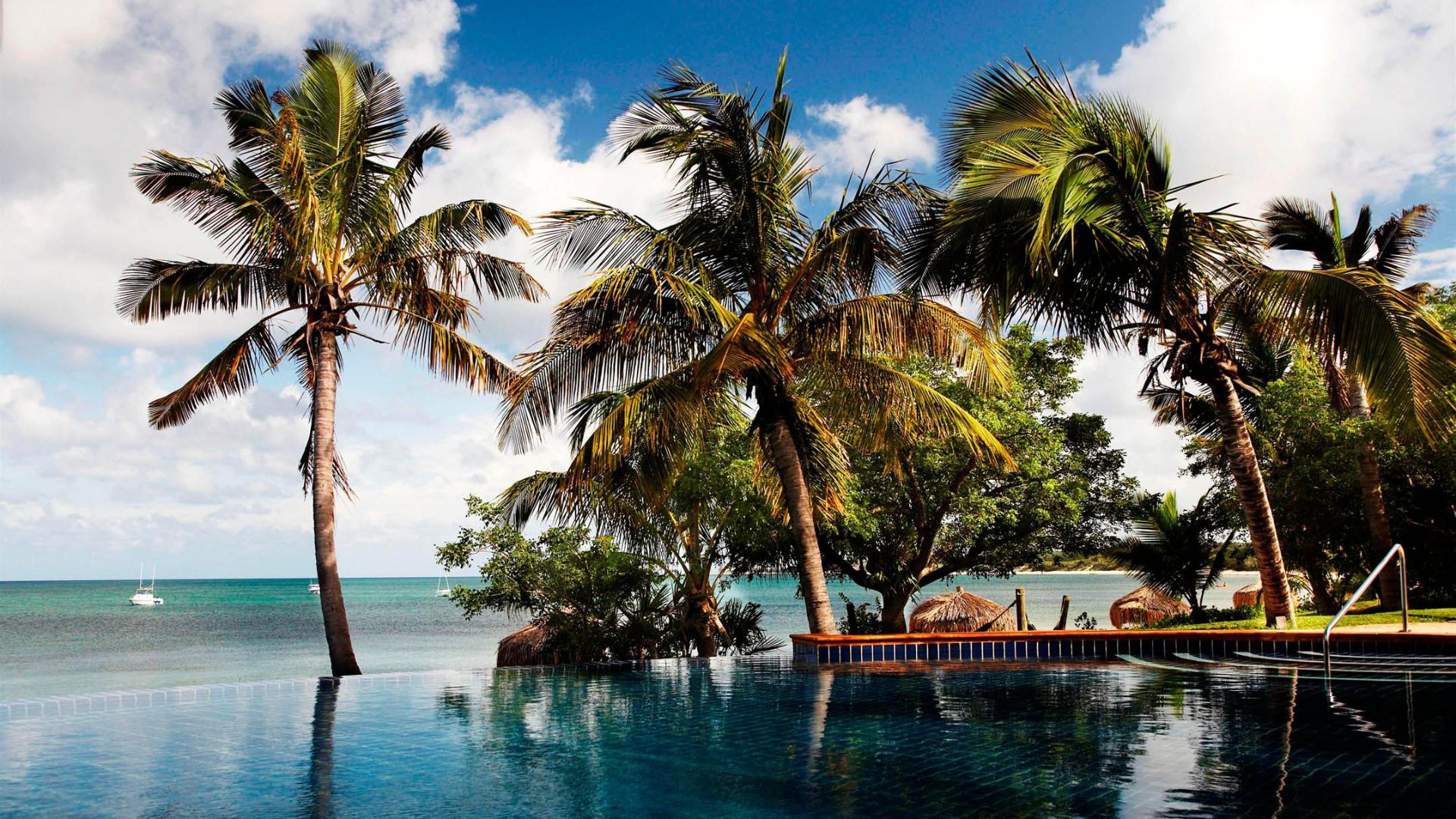 Day 14: Departure
Your last morning stays deliberately unhurried. Enjoy a long breakfast on the hotel terrace with the Indian Ocean below. Some guests swim, while others revisit the craft market for final purchases. Your guide handles luggage, timings, and airport formalities, so nothing feels rushed. Depending on your flight, we can arrange a late checkout or a day room. Afterwards, a private transfer takes you to Maputo International Airport for your onward journey. Terenga Africa Safaris and Travel Ltd stays reachable until you board.
Fourteen days produce a particular kind of perspective on Mozambique. You have tracked elephants through coastal forest and watched dugongs graze in shallow seagrass. Moreover, you have seen a ruined national park rebuild itself into a continental success story. You have sailed a dhow that would look familiar to a trader from 1600. Silversmiths, coffee farmers, fishermen, and rangers all shared their work with you honestly. Consequently, you return home with understanding rather than merely photographs. Many guests extend the 14-Day Mozambique Grand Wildlife Safari with Malawi, Zimbabwe, or South Africa. Others simply start planning their return before the flight even lands.
14-Day Mozambique Grand Wildlife Safari Inclusions & Exclusions
Safari Inclusions
- All accommodation as listed in the itinerary
- Daily breakfast, lunch, and dinner from Day 1 dinner to Day 14 breakfast
- All domestic flights within Mozambique
- Airport meet-and-greet and all ground transfers
- Private 4×4 safari vehicle with professional English-speaking guide
- All scheduled game drives, walks, and boat activities
- Dhow sailing excursions in Bazaruto and the Quirimbas
- Snorkelling equipment and guided snorkelling trips
- All national park, reserve, and marine conservation fees
- Community and cultural visits as described
- Mount Gorongosa hike with local guide
- Drinking water, soft drinks, and house beverages at lodges
- Laundry at Gorongosa, Benguerra, and Ibo Island
- Emergency medical evacuation cover
- Government taxes and tourism levies
Safari Exclusions
- International flights to and from Maputo
- Mozambique visa fees
- Travel and medical insurance
- Scuba diving courses, dives, and equipment hire
- Helicopter and private charter upgrades
- Deep-sea fishing charters
- Premium wines, champagne, and imported spirits
- Spa and wellness treatments
- Personal shopping and curio purchases
- Gratuities for guides, drivers, and lodge staff
- Telephone, internet, and data charges
- Vaccinations and antimalarial medication
- Single supplement where applicable
- Any activity described as optional
- Items of a personal nature
Extend Your Adventure With a 4- Days Bwindi Gorilla Trekking safari
After completing the 14-Day Mozambique Grand Wildlife Safari, you can extend your African journey with an unforgettable 4-Day Uganda Gorilla Trekking Safari. This extension creates an extraordinary combination of Tanzania’s open savannah wilderness and Uganda’s ancient tropical forests.
The journey takes travelers toward Bwindi Impenetrable National Park, one of Africa’s most important mountain gorilla destinations. Instead of endless grasslands, Uganda introduces misty forests, rolling hills, and beautiful green landscapes. Gorilla trekking provides the main highlight of this extension. Travelers enter the forest with experienced guides and trackers in search of a habituated mountain gorilla family.
The journey through Bwindi becomes an adventure itself. Dense vegetation, forest sounds, colorful birds, and changing trails create an exciting atmosphere. Eventually, visitors spend valuable time observing mountain gorillas in their natural environment.
The extension can also include cultural experiences around Bwindi. Travelers may discover local traditions, crafts, music, food, and community life. A Batwa cultural experience can provide further insight into the human heritage connected to Uganda’s ancient forests. Combining the 14-Day Mozambique Grand Wildlife Safari with a Uganda gorilla trekking safari creates an exceptional East African journey.
Optional Safari Extension: 4- Days Bwindi Gorilla Trekking safari in Uganda
Day |
Activities |
Accommodation |
Day 1 |
Flight from Beira International Airport to Kigali airport and have afternoon Kigali city tour | Kigali: chez lando hotel
Meal Plan: Bed and Breakfast |
Day 2 |
Morning road transfer to Bwindi impenetrable forest (Rushaga sector) and afternoon relaxation at the lodge | Ichumbi Gorilla Lodge
Meal: Lunch, Dinner, Breakfast, Drinking Water |
Day 3 |
Go mountain gorilla trekking in Bwindi impenetrable forest and afternoon enjoy batwa cultural experience with community involvement | Ichumbi Gorilla Lodge
Meal: Breakfast, Lunch, Dinner, Breakfast, Drinking Water |
Day 4 |
Road transfer to Kigali international airport Rwanda for a flight back home | None
Meal: Breakfast, Lunch, Breakfast, Drinking Water |