
Gilé National Park
Gilé National Park offers a rewarding alternative to Mozambique’s better-known safari destinations. The park lies in Zambézia Province, across Gilé and Pebane districts. Its landscape combines miombo forests, open plains, dambos, rivers, and riverside vegetation. These habitats support diverse mammals, birds, reptiles, amphibians, and plant species.
The park has a fascinating conservation history. Authorities first established the area as a Partial Hunting Reserve in 1932. Mozambique later upgraded its conservation status under the country’s protected-area framework.
Today, Gilé National Park provides opportunities for wildlife viewing, walking, birdwatching, camping, and nature photography. Elephants, lions, leopards, buffaloes, wild dogs, spotted hyenas, sable, kudu, and wildebeest occur within the park. Official records also list 114 bird species.
The destination also offers access to wider attractions. Travelers can connect their journey with Pebane and Moebase beaches, Gurué, and Ilha de Moçambique.
Therefore, Gilé National Park suits travelers seeking authentic wilderness and quieter safari experiences. Its remote character adds adventure while its biodiversity creates excellent opportunities for nature discovery.
At Terenga Africa Safaris and Travels Ltd, we design Mozambique safaris around realistic expectations. We consider wildlife, seasonality, road conditions, accommodation, culture, and traveler interests.
Gilé National Park
Why Visit Gilé National Park?
A Less-Crowded Wilderness
Gilé National Park appeals to travelers who want to explore beyond conventional safari routes. The park offers a quieter setting than Mozambique’s most established wildlife destinations.
Its landscapes provide an excellent environment for slow and attentive exploration. Instead of focusing only on large mammals, travelers can observe birds, plants, insects, rivers, and changing vegetation.
Furthermore, the park provides a strong sense of wilderness. The surrounding landscape remains important for conservation and local livelihoods.
A Mozambique safari through Gilé can therefore feel more exploratory. Travelers should expect natural encounters rather than guaranteed wildlife sightings.
This distinction matters when planning Mozambique wildlife safaris. Wildlife moves according to food, water, weather, and habitat conditions.
Consequently, patience becomes one of the most valuable safari skills.
Where Is Gilé National Park?
Exploring Zambézia Province
Gilé National Park lies in northern-central Mozambique’s Zambézia Province. The park covers areas within Gilé and Pebane districts.
Travelers can reach the park from Quelimane or Nampula. A 4×4 vehicle provides the recommended option for road access.
Visitors can also fly from Maputo to Quelimane or Nampula. The journey then continues overland toward the park.
The remote location makes transportation an important part of itinerary planning. Travelers should allow enough time for road transfers.
At Terenga Africa Safaris and Travels Ltd, we coordinate transport according to road conditions and safari objectives.
This approach helps create smoother Mozambique adventure safaris.
The Landscapes of Gilé National Park
Miombo Forests and Open Plains
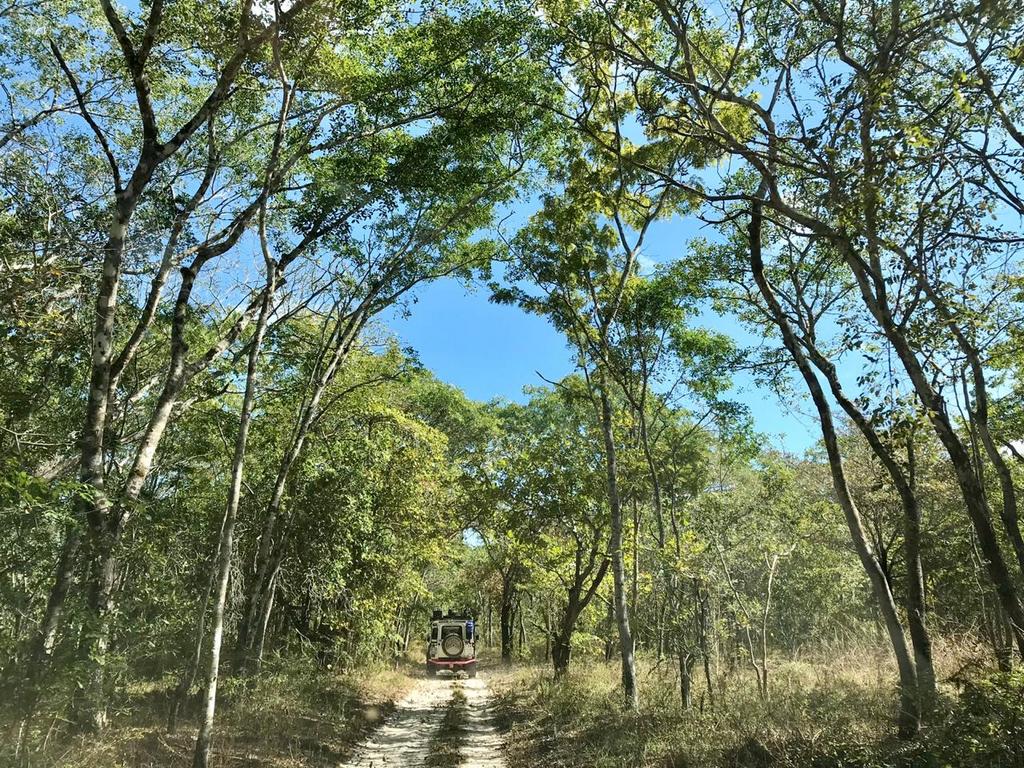
Gilé National Park contains several habitats that support different forms of wildlife. Miombo forests dominate important sections of the landscape.
Open plains provide feeding areas for herbivores. Dambos create wetter habitats within the wider woodland environment.
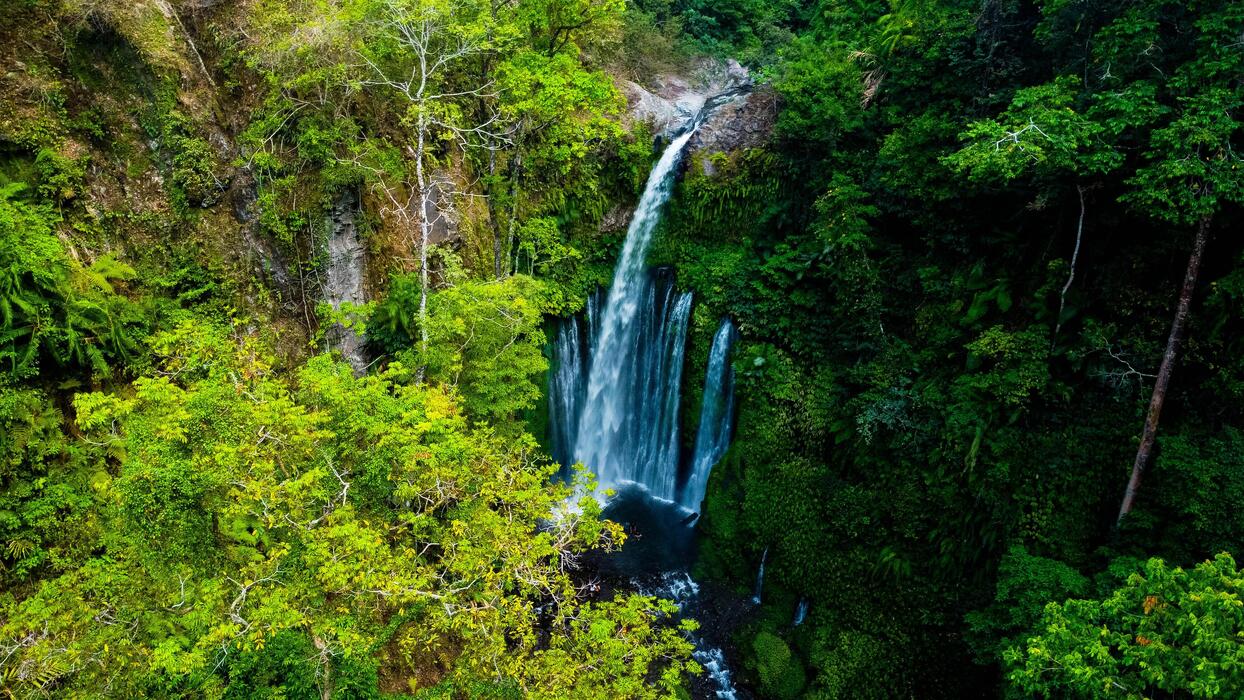
Rivers and streams support riverside vegetation and wildlife activity. These watercourses also provide attractive photography opportunities.
The combination creates a visually diverse safari environment. Travelers can move from dense woodland into open grasslands within the same journey.
Such diversity makes Gilé National Park valuable for nature enthusiasts.
The landscape also changes with the seasons. Green vegetation becomes particularly striking during wetter periods.
During drier months, wildlife behavior often becomes easier to observe around remaining water sources.
Therefore, seasonal timing can shape the character of your Mozambique safari.
Gilé National Park
Wildlife in Gilé National Park
Discovering Mozambique’s Wild Side
Gilé National Park supports a notable range of large mammals. Official park information lists 95 mammal species.
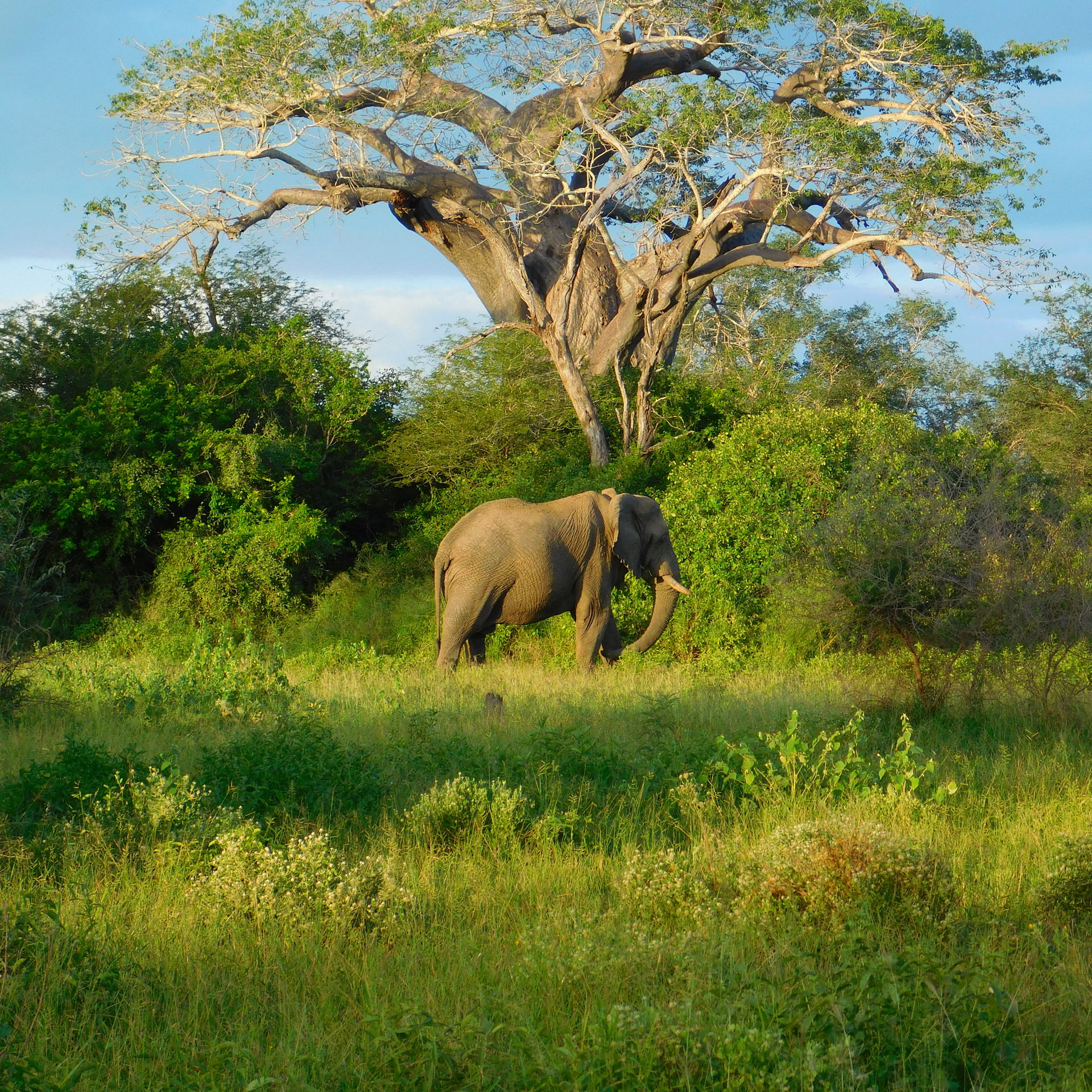
Elephants move through the miombo woodland and other suitable habitats. Lions and leopards represent important predators within the ecosystem.
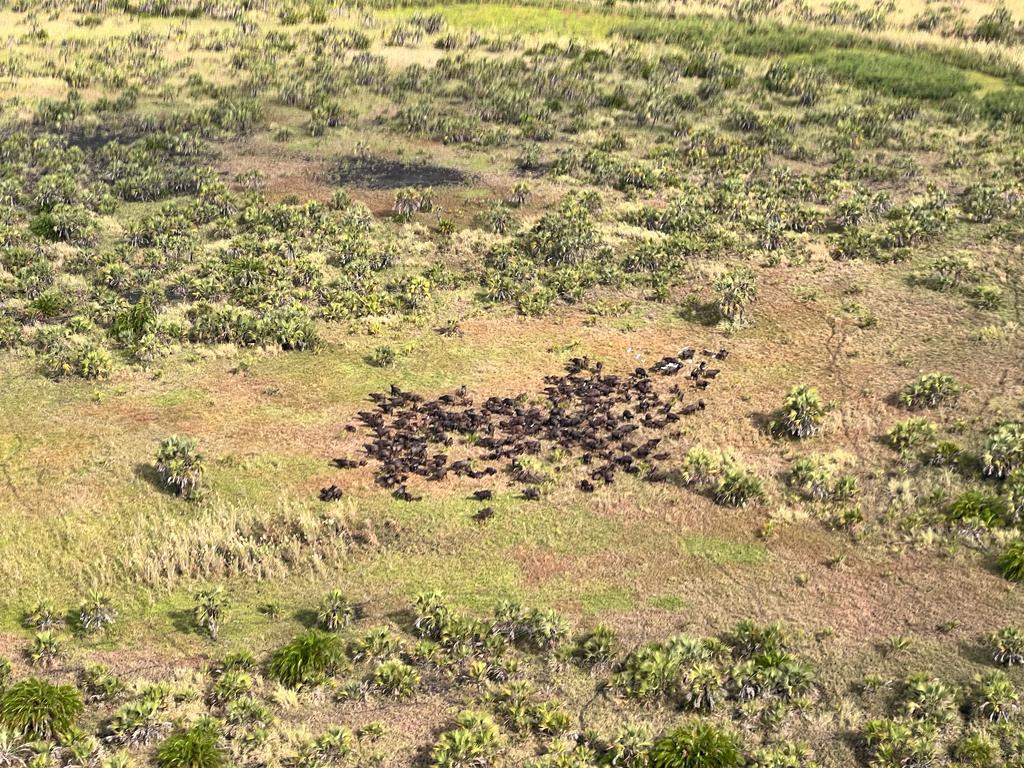
Buffaloes also occur across the park. Wild dogs and spotted hyenas add further predator diversity.
Antelope species include sable, kudu, wildebeest, and other smaller antelope.
These species create excellent opportunities for a Mozambique wildlife tour.
However, wildlife encounters remain unpredictable. Dense woodland can make some animals difficult to spot.
Therefore, travelers should appreciate the wider ecosystem rather than pursue one specific animal.
Experienced guides can improve wildlife interpretation and help identify tracks, calls, and signs.
Elephant Experiences in Gilé
Observing Forest Elephants
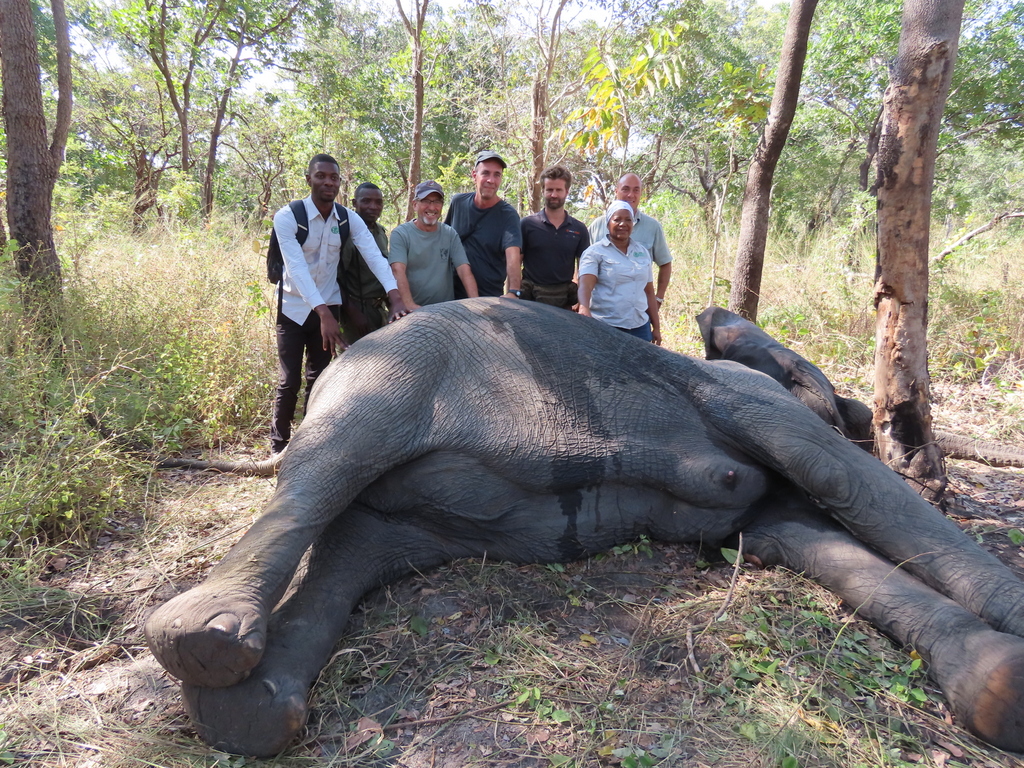
Elephants represent one of the park’s most important large mammals. Their movement influences vegetation and creates pathways through woodland.
Seeing elephants within miombo forests offers a different experience from viewing them across open savannas.
Travelers should maintain appropriate distances during every encounter. Elephants require space and can respond unpredictably when threatened.
Quiet observation creates better experiences and reduces disturbance.
A knowledgeable guide can interpret elephant behavior and identify signs of recent movement.
Consequently, elephant encounters can become a highlight of Mozambique wildlife safaris.
Predators and the Food Chain
Lions, Leopards, Wild Dogs, and Hyenas
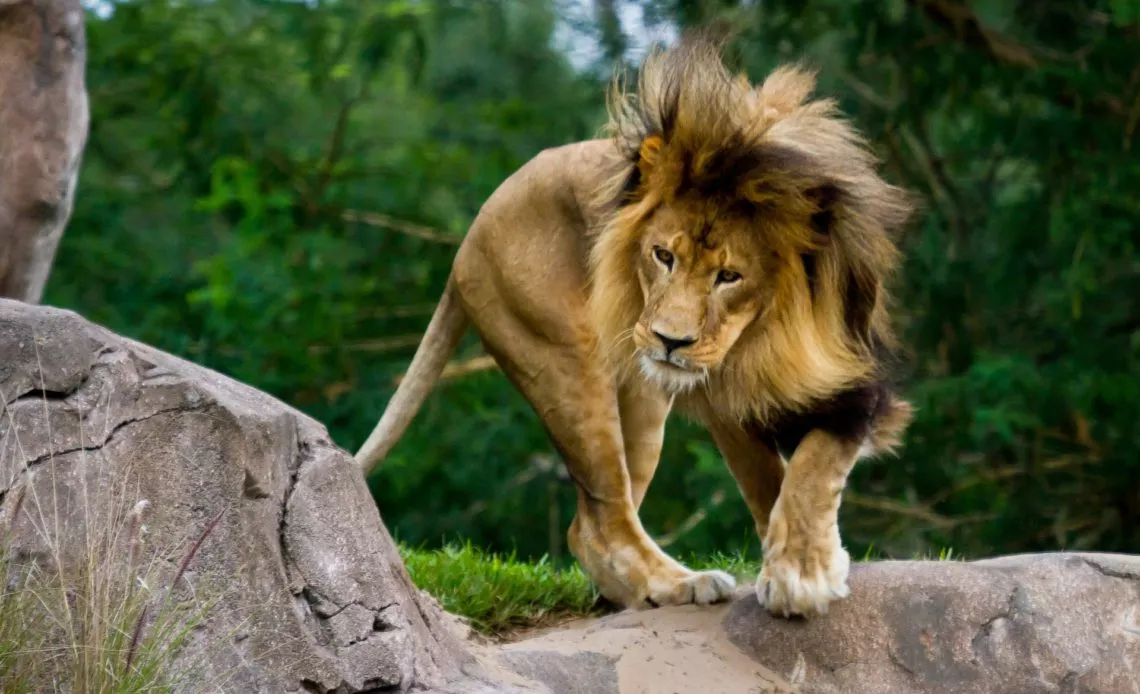
Gilé National Park supports several important predators. Lions, leopards, wild dogs, and spotted hyenas contribute to ecosystem balance.
Predator sightings may require patience because woodland habitats provide substantial cover.
Lions can use open areas for hunting and resting. Leopards often remain around dense vegetation and woodland habitats.
Wild dogs can travel considerable distances while searching for prey. Hyenas also play important roles as hunters and scavengers.
These species demonstrate the ecological importance of healthy prey populations.
A Mozambique wildlife tour becomes more meaningful when travelers understand these relationships.
Rather than simply counting species, guides can explain predator behavior and ecological connections.
Gilé National Park
Birdwatching in Gilé National Park
A Birdwatcher’s Destination
Gilé National Park offers excellent opportunities for birdwatching. Official information lists 114 bird species within the park.
The varied habitats support different bird communities. Forests, grasslands, dambos, and rivers create diverse feeding and nesting environments.
Birdwatching becomes particularly attractive during the rainy season. ANAC identifies November through March as the best period for birdwatching.
Migratory species can add further variety during suitable periods.
Early mornings offer excellent conditions for listening and observation. Travelers should carry binoculars and a suitable field guide.
A specialist guide can identify calls and explain bird behavior.
Therefore, Gilé National Park deserves attention from birdwatchers planning Mozambique safaris.
Best Time to Visit Gilé National Park
Choosing the Right Season
Gilé National Park offers different experiences across the year. Your travel goals should determine the best period.
November through March provides the strongest conditions for birdwatching. Rainfall creates greener landscapes and increased bird activity.
April through October offers cooler conditions and generally favorable safari weather.
Dry-season travel can also improve wildlife viewing around remaining water sources. However, vegetation conditions can still influence visibility.
Travelers should also consider road conditions during the wet season.
Therefore, professional planning should match the season with your preferred activities.
Walking Safaris and Nature Walks
Exploring Beyond the Vehicle
Walking provides a different perspective of Gilé National Park. Official tourism information identifies walking and safaris among available activities.
A guided walk can reveal details that travelers often miss from vehicles. Tracks, insects, plants, bird calls, and smaller animals become more noticeable.
Walking also creates a stronger connection with the landscape. The experience focuses on observation rather than distance covered.
Travelers should follow guide instructions throughout the activity. Wildlife encounters require appropriate safety procedures.
Comfortable footwear and adequate drinking water remain essential.
Therefore, walking can add depth to Mozambique adventure safaris.
Camping at Gilé National Park
Sleeping Close to Nature
Accommodation remains relatively simple within the park. ANAC identifies Musseia Main Camping Site near the park administration. It also lists camping around the Lice Law Enforcement Post.
More recent ANAC information highlights the Lice tourist campsite beside the Lice River.
Camping creates an immersive wilderness experience. Travelers can enjoy quiet evenings surrounded by natural landscapes.
However, visitors should prepare for limited facilities.
Travelers seeking luxury accommodation may need to combine Gilé with destinations offering more developed lodging.
This simplicity can appeal strongly to adventurous travelers.
Cultural Experiences Around Gilé
Connecting With Local Communities
Gilé National Park sits within a wider cultural landscape. Community life forms an important part of the destination experience.
Travelers can arrange village visits through appropriate local guides. These experiences can include conversations, traditional foods, crafts, music, and everyday activities.
Community visits should always respect local customs. Visitors should request permission before taking photographs.
Such encounters provide a better understanding of rural life in Zambézia.
Cultural tourism can also support local livelihoods. Travelers can purchase locally made crafts and use community-based services.
Therefore, cultural experiences can complement Mozambique wildlife tours.
Traditional Food Experiences
Discovering Zambézia Flavors
Food provides an accessible way to experience local culture. Zambézia’s communities maintain distinctive food traditions and agricultural practices.
Visitors can explore locally prepared dishes during suitable community experiences. Ingredients may include grains, vegetables, legumes, cassava, and locally sourced produce.
Fish can also feature strongly in communities connected to nearby rivers and coastal areas.
Cooking demonstrations can provide insight into preparation methods and household traditions.
Travelers should approach food experiences with curiosity and respect.
A shared meal can create meaningful connections between visitors and local communities.
Consequently, culinary experiences add an important human dimension to Mozambique safaris.
Traditional Crafts and Local Art
Supporting Local Artisans
Crafts provide another opportunity for cultural engagement. Travelers can purchase handmade items through community markets and local artisans.
Basketry, weaving, woodwork, and decorative crafts can provide useful souvenirs.
Purchasing directly from artisans can strengthen local economic benefits.
Visitors should prioritize authentic products rather than mass-produced items marketed as traditional.
Responsible shopping also respects cultural meaning.
These simple choices can help tourism support community livelihoods.
Therefore, craft experiences can form part of a responsible Mozambique adventure safari.
Cultural Experiences Near Your Safari Camp
Community Walks
A guided community walk can reveal everyday life around the park. Visitors can observe farming practices, homes, local shops, and community activities.
Traditional Music
Local performances can introduce travelers to regional rhythms and cultural expression. These experiences should involve community members directly.
Storytelling
Traditional storytelling provides insight into local history, values, landscapes, and beliefs.
Local Markets
Market visits provide opportunities to explore local products and purchase authentic crafts.
Village Meals
A community meal can introduce visitors to regional flavors and food traditions.
These experiences can enrich a Gilé National Park itinerary without overwhelming the wildlife component.
Mount Popé and Mountain Landscapes
Exploring the Surrounding Mountains
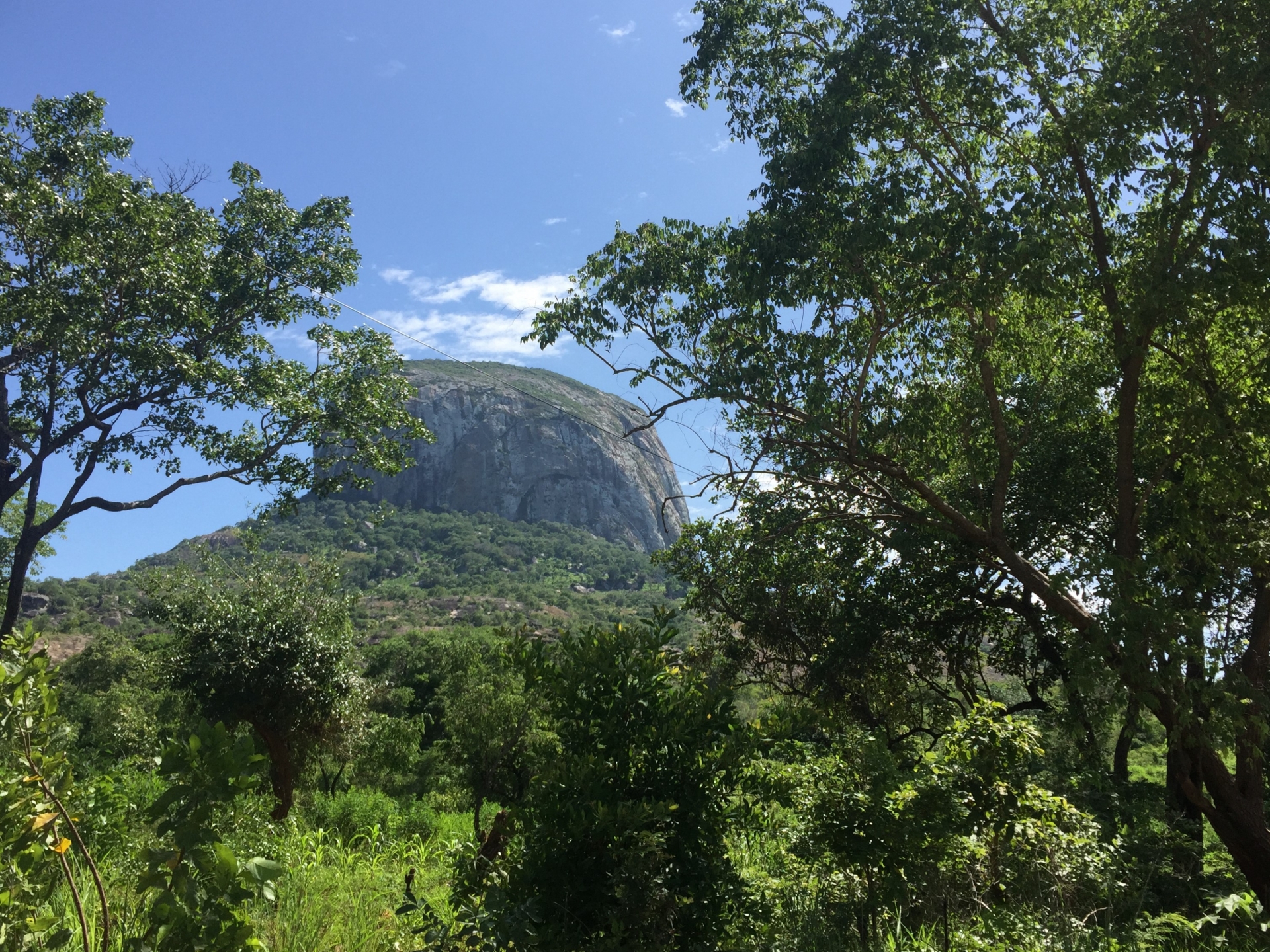
Mountains add another dimension to Gilé National Park. Official sources highlight surrounding mountains and Mount Popé as distinctive landscape attractions.
Hiking opportunities can appeal to travelers seeking active experiences.
Mountain viewpoints can also provide excellent photography opportunities. The surrounding miombo forests create dramatic foregrounds and distant horizons.
Travelers should confirm trail conditions and guide requirements before hiking.
This activity works particularly well for travelers combining wildlife and adventure.
Consequently, mountain exploration can strengthen a Mozambique adventure safari.
Pebane and Moebase Beaches
Combining Wildlife With the Coast
Gilé National Park offers an interesting connection to Mozambique’s coast. Pebane and Moebase beaches lie within the wider travel region.
ANAC highlights these beaches among attractions accessible from the park.
Travelers can therefore combine wildlife viewing with coastal relaxation.
A beach extension can provide swimming, scenic walks, photography, and quiet relaxation.
This combination creates a balanced itinerary.
Guests can begin with wilderness experiences before enjoying Mozambique’s Indian Ocean coastline.
Therefore, Gilé National Park works well within longer Mozambique safaris.
Combining Gilé With Gurué
Mountains and Tea Landscapes
Gurué offers another possible extension from the Gilé region. The destination provides distinctive mountain scenery and agricultural landscapes.
Travelers can explore local communities and enjoy scenic drives through the surrounding highlands.
Gurué can complement the wilderness experience at Gilé.
The combination creates a broader exploration of Zambézia Province.
Travelers interested in landscapes and culture can benefit from this extended route.
A carefully designed itinerary can therefore connect wildlife, mountains, agriculture, and communities.
Combining Gilé With Ilha de Moçambique
History and Coastal Heritage
Gilé National Park also provides access to wider northern Mozambique attractions. Ilha de Moçambique offers an important historical and cultural extension.
The island contains remarkable architectural heritage and coastal history.
Travelers can explore historic streets, cultural sites, markets, and local communities.
This extension changes the character of the trip from pure wildlife travel.
Instead, visitors experience nature, culture, history, and coastal life.
Such combinations strengthen the appeal of Mozambique wildlife safaris.
 Conservation and Community Benefits
Protecting Nature Together
Conservation depends on both wildlife protection and community involvement. ANAC manages Mozambique’s conservation areas with sustainable tourism as an important objective.
The national conservation system covers significant portions of Mozambique’s territory. It supports biodiversity protection and ecotourism development.
Gilé also benefits from collaborative conservation management involving ANAC and the Fondation François Sommer.
Tourism can contribute to this work through responsible visitor spending.
Travelers can support conservation by using authorized services and following park regulations.
Community experiences can also create local economic opportunities.
Therefore, responsible travel can connect conservation with community development.
Responsible Tourism at Gilé
Travel With Respect
Responsible tourism should guide every Gilé National Park visit.
Keep appropriate distances from wildlife. Follow designated routes and guide instructions.
Avoid leaving waste in natural areas. Do not remove plants, rocks, feathers, or cultural materials.
Respect community privacy during village visits. Always request consent before photography.
Support locally owned services where possible.
These actions protect the destination and strengthen local benefits.
At Terenga Africa Safaris and Travels Ltd, we encourage travelers to explore responsibly.
Our approach values conservation, community wellbeing, and authentic experiences.
Photography in Gilé National Park
Capturing Wild Mozambique
Gilé National Park offers excellent photography opportunities across its varied habitats.
Miombo forests provide atmospheric wildlife backgrounds. Open plains offer clearer views of larger mammals.
Bird photography can become particularly rewarding during the rainy season.
Landscape photography also benefits from rivers, dambos, forests, and changing skies.
Early morning light can create excellent conditions for wildlife and landscape images.
Photographers should never disturb animals for better photographs.
Patience usually produces stronger and more authentic images.
Planning Your Mozambique Wildlife Tour
Build Around Your Interests
A successful Mozambique wildlife tour should begin with your travel priorities.
Wildlife enthusiasts can focus on game drives and walking experiences. Birdwatchers may prioritize November through March.
Adventure travelers can add hiking and mountain activities. Cultural travelers can include village visits and local food experiences.
Beach lovers can extend their journey toward Pebane or Moebase.
History enthusiasts can continue toward Ilha de Moçambique.
This flexibility makes Gilé suitable for different types of travelers.
A professional operator can connect these experiences into one practical itinerary.
Safari Inclusions
- Airport transfers
- 4×4 safari transportation
- Professional safari guide
- Accommodation
- Camping equipment
- Meals
- Drinking water
- Park entrance fees
- Game drives
- Nature walks
- Birdwatching
- Cultural experiences
- Community visits
- Government taxes
Safari Exclusions
- International flights
- Mozambique visa
- Travel insurance
- Personal expenses
- Alcoholic beverages
- Laundry services
- Tips
- Souvenirs
- Optional activities
- Beach extensions
- Personal medical expenses
- Additional accommodation
Why Choose Terenga Africa Safaris and Travels Ltd?
Professional Safari Planning
Terenga Africa Safaris and Travels Ltd creates personalized African travel experiences.
Our approach combines destination research, practical logistics, seasonal planning, and responsible tourism.
Gilé requires thoughtful preparation because of its remote setting. Travelers need suitable transport, realistic accommodation expectations, and flexible schedules.
We help match activities with individual interests.
Wildlife enthusiasts can focus on game viewing. Birdwatchers can plan around seasonal bird activity.
Adventure travelers can include walking and mountain exploration.
Cultural travelers can add community experiences and local food.
We also encourage travelers to combine Gilé with nearby destinations.
This approach creates a richer Mozambique safari experience.
Our goal remains simple. We want every traveler to explore Africa with confidence, respect, and informed expectations.
Gilé National Park
Final Thoughts: Gilé National Park
Gilé National Park offers an authentic wilderness experience in Zambézia Province.
Its miombo forests, plains, dambos, and rivers create diverse habitats. These environments support elephants, lions, leopards, buffaloes, wild dogs, hyenas, antelope, and many bird species.
The park also provides excellent opportunities for walking and birdwatching. Camping adds an immersive connection with the wilderness.
Meanwhile, surrounding communities provide important cultural experiences. Village visits, traditional food, crafts, storytelling, and local markets can enrich the journey.
Travelers can also extend their itinerary toward Pebane, Moebase, Gurué, and Ilha de Moçambique.
Therefore, Gilé National Park offers more than a conventional wildlife destination.
It provides opportunities for nature discovery, adventure, culture, conservation, and coastal exploration.
For travelers seeking Mozambique safaris, Gilé offers a quieter alternative to heavily visited destinations.
Those planning Mozambique wildlife safaris can discover large mammals alongside diverse birdlife and unique habitats.
A Mozambique wildlife tour can also include walking, photography, and community experiences.
Meanwhile, Mozambique adventure safaris can combine Gilé with mountains, beaches, and cultural destinations.
Ultimately, Gilé National Park rewards travelers who value exploration and authentic wilderness.
Gilé National Park offers a chance to discover Mozambique beyond the country’s most famous safari routes. Gilé National Park also demonstrates how conservation, wildlife, communities, and tourism can work together. For travelers seeking meaningful African experiences, this destination deserves serious consideration. Gilé National Park can become an unforgettable chapter in a carefully planned Mozambique safari.