
Chimanimani National Park
Chimanimani National Park offers one of Mozambique’s most distinctive mountain experiences. The park lies in Manica Province, near the Zimbabwe border. It protects rugged mountains, forests, rivers, waterfalls, grasslands, and remarkable biodiversity. Mount Binga rises to 2,436 metres, making it Mozambique’s highest peak.
Unlike conventional wildlife destinations, Chimanimani National Park focuses strongly on mountain adventure and nature. Hiking, climbing, horseback riding, birdwatching, photography, and canoeing create diverse experiences. Rock art and ancient traditions add an important cultural dimension.
The park also supports elephants, buffaloes, eland, sable antelope, waterbuck, warthog, duiker, and several bird species. Unique plants, reptiles, and butterflies further strengthen its ecological importance.
For travelers seeking something different, Chimanimani National Park provides a refreshing alternative. Its remote setting encourages deeper connections with nature. The surrounding communities also preserve important cultural traditions and historic sites.
At Terenga Africa Safaris and Travels Ltd, we promote travel that combines adventure, conservation, and cultural discovery. Our approach helps travelers understand destinations beyond their most famous attractions.
Therefore, this guide explores Chimanimani National Park through its landscapes, wildlife, activities, culture, accommodation, and responsible tourism opportunities.
Chimanimani National Park
Why Visit Chimanimani National Park?
A Mountain Wilderness
Chimanimani National Park appeals strongly to travelers who enjoy nature away from crowded safari circuits. Its mountain landscapes create dramatic scenery throughout the protected area.
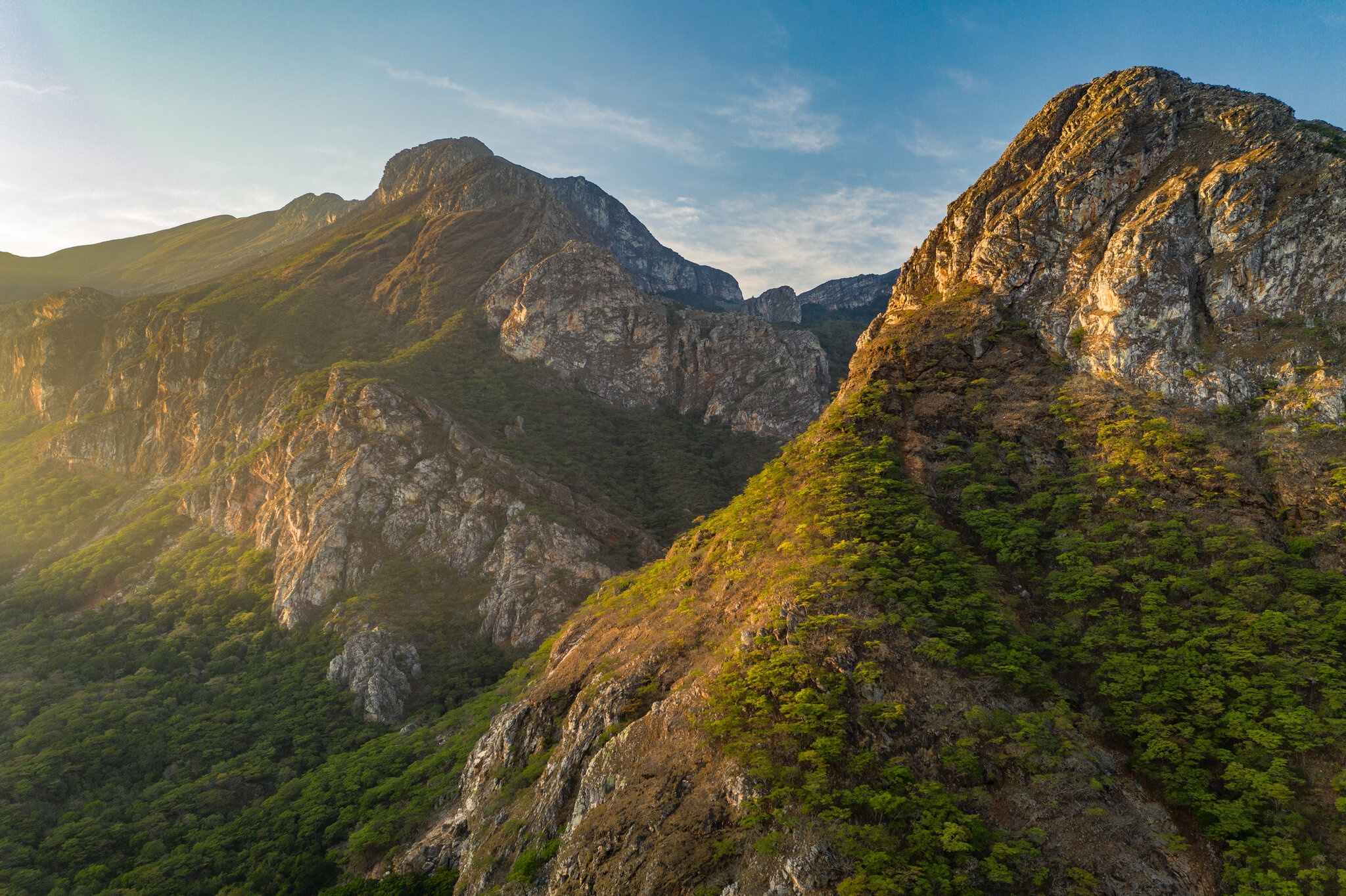
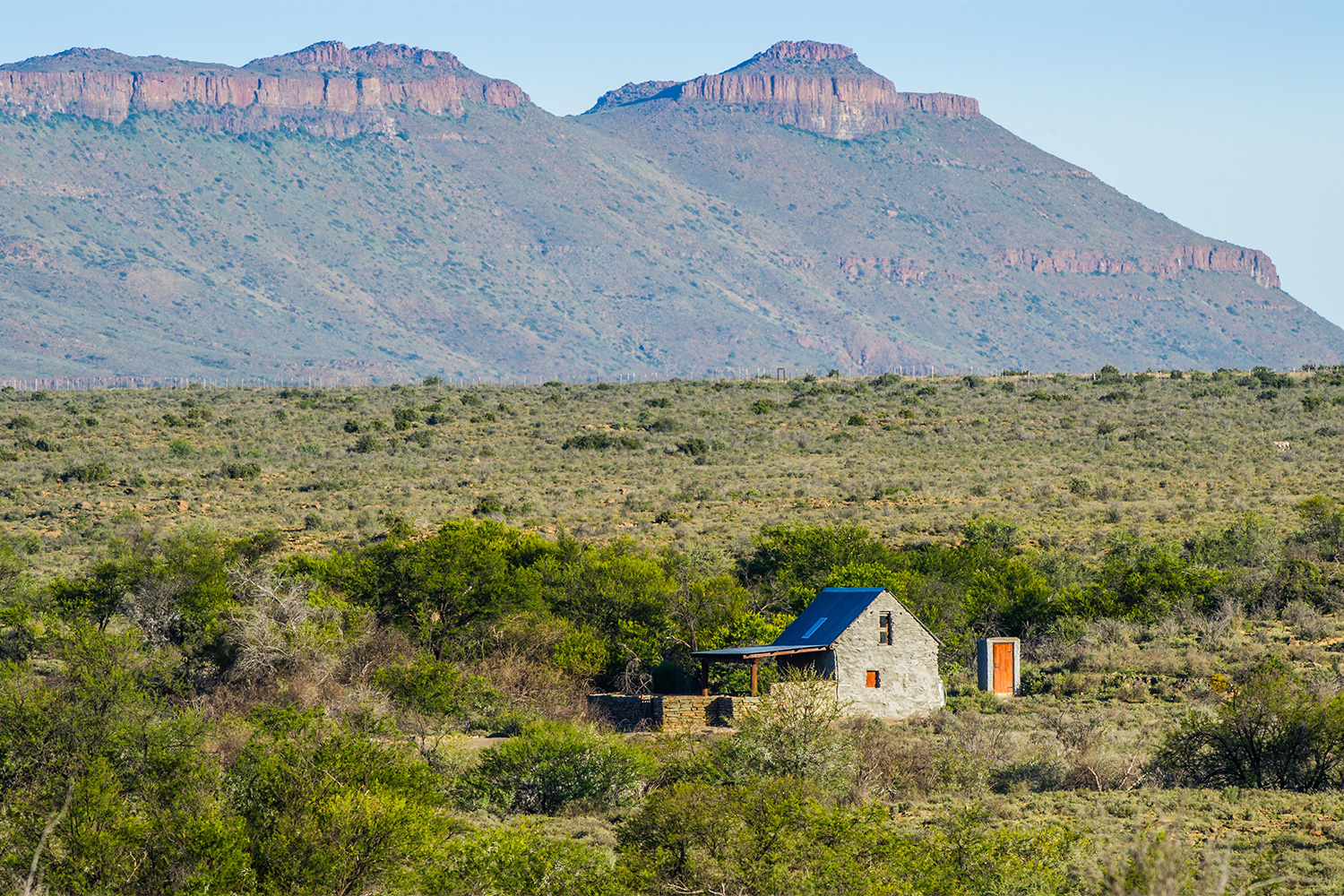
Rugged quartzite formations rise above forests and mountain grasslands. Rivers and waterfalls add movement to the landscape. Marshes, caves, and evergreen forests create additional habitats.
Mount Binga remains the park’s most famous landmark. The summit reaches approximately 2,436 metres above sea level. It offers an exceptional objective for experienced hikers and mountaineers.
Moreover, Chimanimani National Park forms part of the Chimanimani Transfrontier Conservation Area. This landscape connects conservation interests across Mozambique and Zimbabwe.
The destination therefore suits travelers seeking adventure, scenery, wildlife, and cultural heritage. It can also complement broader Mozambique safaris.
Location and Accessibility
Reaching the Mountains
Chimanimani National Park lies within Sussundenga District in Manica Province. Chimoio provides an important gateway for travelers visiting the region.
Visitors can reach the park by road from Chimoio and other parts of Mozambique. The Machipanda border also provides an overland route from Zimbabwe. Park authorities recommend using a 4×4 vehicle for access.
Travelers arriving by air can fly from Maputo to Chimoio. The journey then continues by road using a suitable vehicle.
Consequently, the journey forms part of the Chimanimani adventure. Road conditions and remote locations require careful planning.
At Terenga Africa Safaris and Travels Ltd, we consider access conditions when developing Mozambique safari itineraries. We also allow sufficient time for transfers and mountain activities.
The Landscapes of Chimanimani
Mountains, Forests, and Waterfalls
Chimanimani National Park protects a remarkable range of highland habitats. These include afro-montane forests, evergreen forests, grasslands, rivers, marshes, waterfalls, and rocky terrain.
The changing altitude creates different ecological conditions. As elevation increases, vegetation and wildlife communities also change.
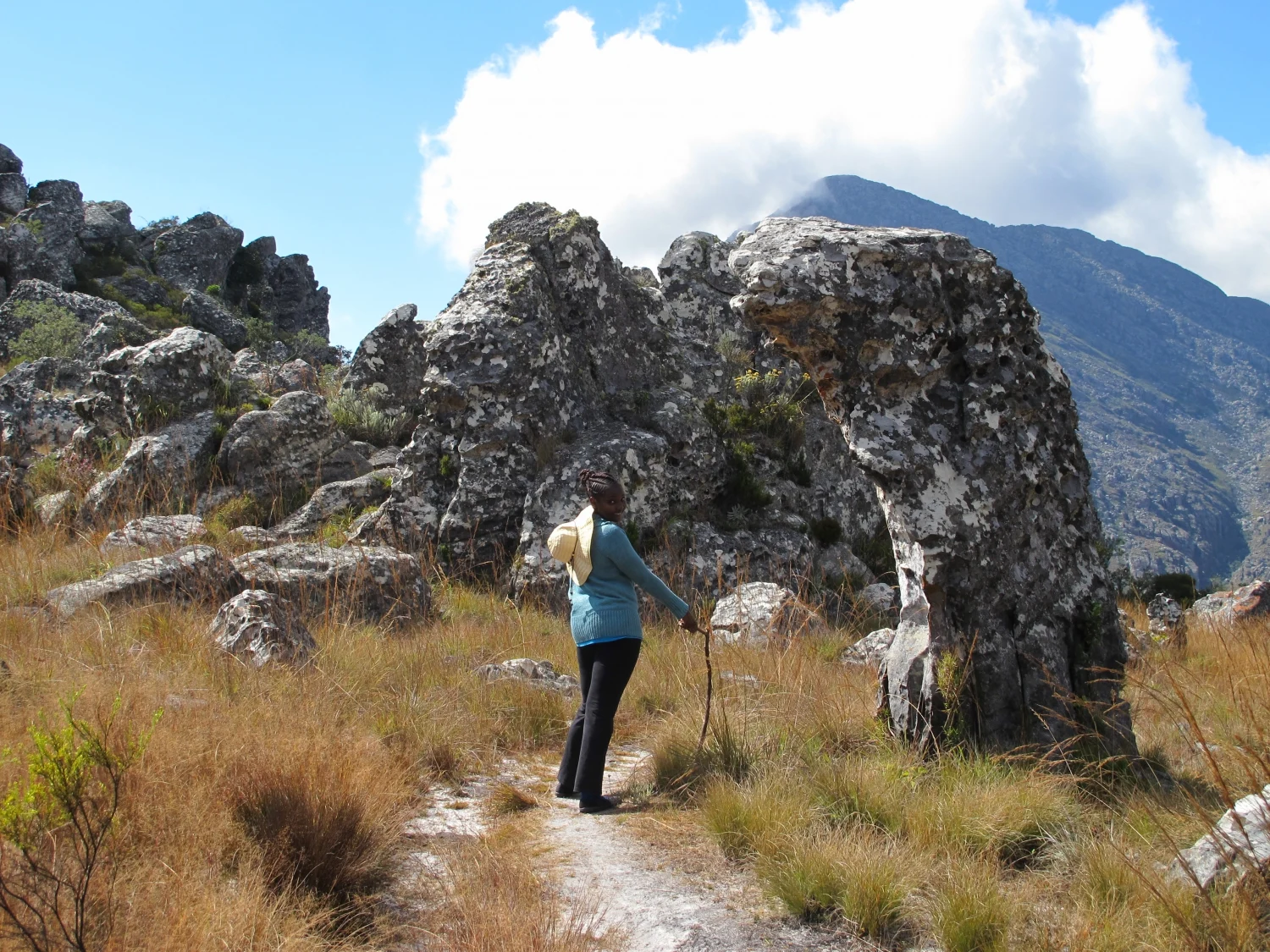
Quartzite formations create some of the region’s most dramatic scenery. Caves add another layer of geological and cultural interest.
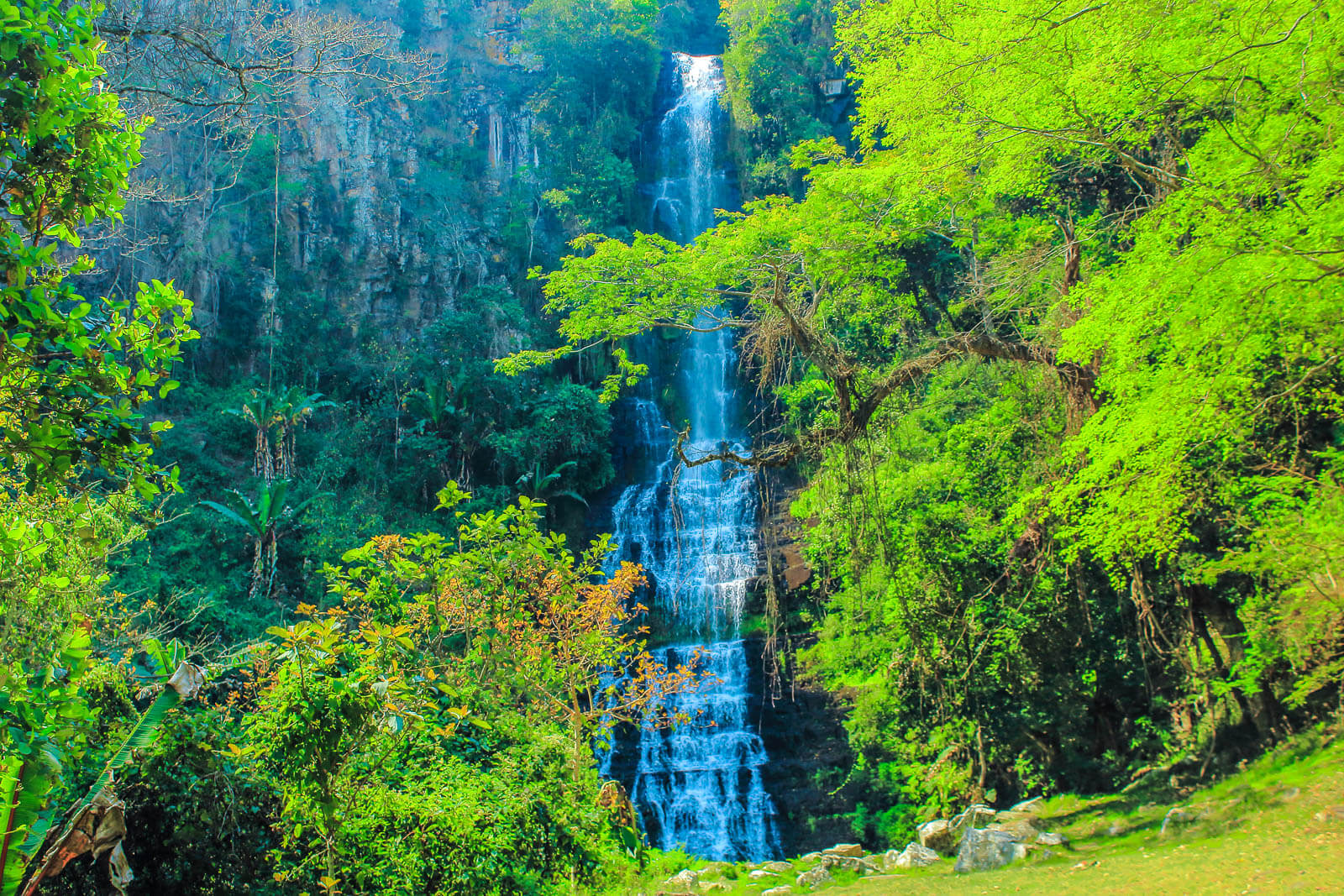
Waterfalls provide natural resting places during hiking adventures. Rivers also create attractive locations for photography and quiet nature experiences.
The Mussapa River offers one particularly appealing stop. Park information identifies it as a relaxing destination for visitors.
Therefore, Chimanimani National Park provides an excellent setting for travelers who value landscapes as much as wildlife.
Chimanimani National Park
Mount Binga
Conquering Mozambique’s Highest Peak
Mount Binga stands among the most important attractions in Chimanimani National Park. Its summit reaches approximately 2,436 metres above sea level.
The mountain provides a rewarding challenge for hikers and climbers. Reaching higher elevations requires physical preparation and appropriate equipment.
Mountain weather can change quickly. Travelers should therefore prepare for cold temperatures and changing conditions.
During winter, temperatures can fall below freezing in the highlands. Warm clothing becomes essential during mountain excursions.
The summit experience also offers spectacular views across the surrounding landscape. Clear weather can reveal dramatic mountain scenery stretching toward the Zimbabwe border.
For adventure travelers, Mount Binga can become the centerpiece of a Mozambique adventure safari.
Hiking and Mountain Adventures
Exploring on Foot
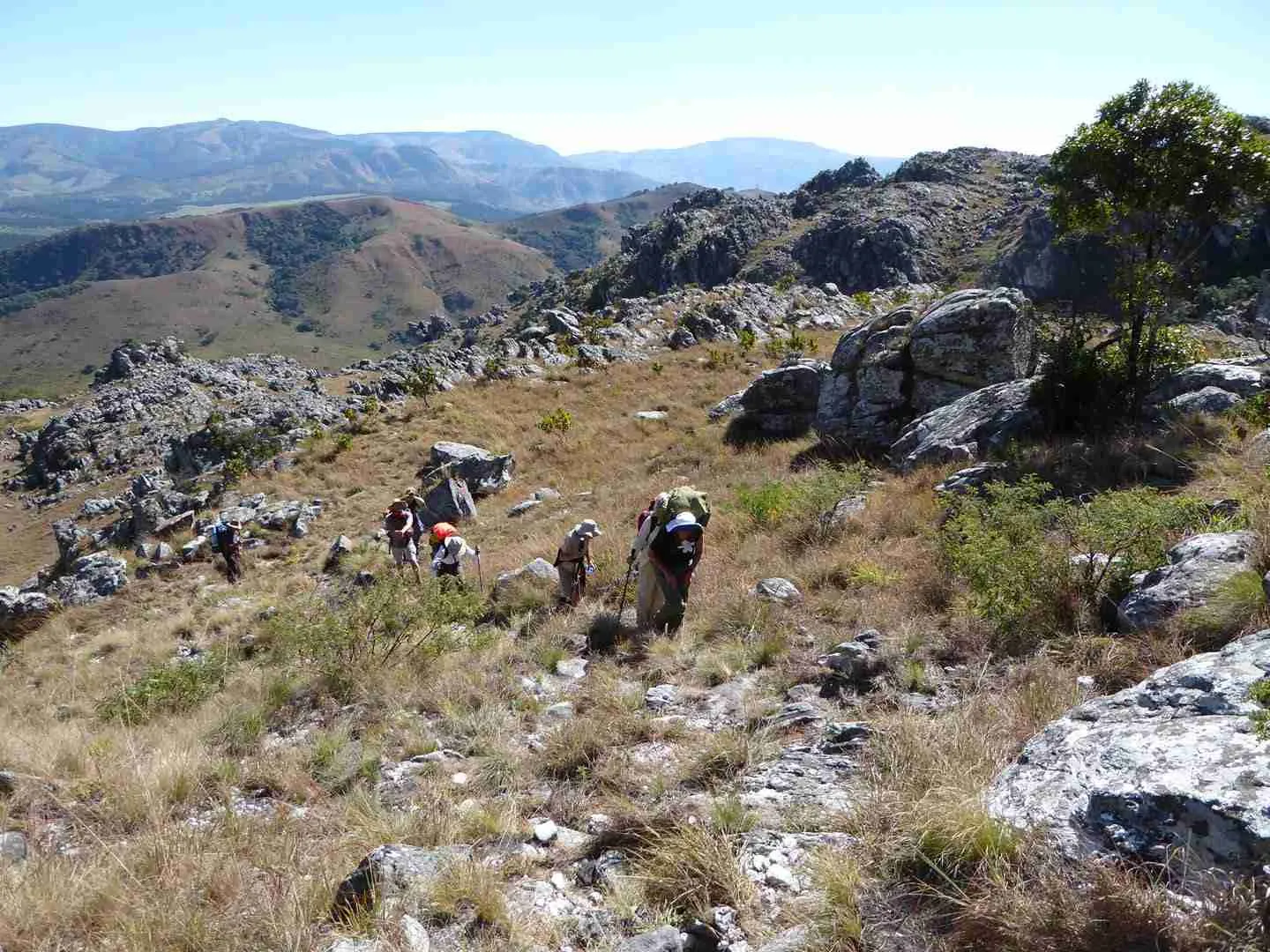
Hiking represents one of the strongest attractions of Chimanimani National Park. Walking provides a slower and more immersive way to explore the mountains.
Trails can lead through forests, grasslands, rocky terrain, and areas surrounding rivers. Each environment offers different scenery and wildlife opportunities.
Experienced local guides can add valuable knowledge to the journey. They understand local trails, plants, wildlife, weather patterns, and cultural sites.
Furthermore, guided hiking can improve safety in remote mountain environments.
Travelers should choose routes according to their fitness and experience. Longer mountain hikes require stronger preparation than short nature walks.
Appropriate footwear, water, warm clothing, and weather protection remain important.
Therefore, hiking through Chimanimani National Park provides both physical adventure and natural discovery.
Wildlife in Chimanimani National Park
A Highland Wildlife Experience
Chimanimani National Park supports a diverse collection of wildlife. The park’s mountainous environment creates habitats for several antelope and mammal species.
Visitors may encounter buffaloes, eland, sable antelope, waterbuck, warthog, bushbuck, oribi, duiker, reedbuck, and suni. Klipspringers also occur among rocky habitats.
Elephants and samango monkeys also feature in the park’s wildlife diversity.
Wildlife viewing here differs from traditional savanna game drives. Dense vegetation and rugged terrain can make encounters less predictable.
Therefore, patience becomes an important part of the experience.
A Mozambique wildlife tour through Chimanimani should focus on ecological diversity rather than guaranteed sightings.
This approach allows travelers to appreciate smaller species, plants, birds, butterflies, and landscapes.
Birdwatching in Chimanimani
Discovering Highland Birds
Birdwatching adds another rewarding dimension to Chimanimani National Park. The park supports several bird species, including endemic and range-restricted species.
The varied habitats create opportunities for different bird encounters. Forests, grasslands, rivers, and mountain areas each attract different species.
Swynnerton’s robin represents one of the notable birds associated with the Chimanimani region.
Birdwatching requires patience and careful observation. Early mornings often provide excellent conditions for listening and searching.
A knowledgeable guide can identify calls and explain bird behavior.
Consequently, Chimanimani can become an excellent destination for specialist birdwatchers.
Bird photography also works particularly well when travelers allow sufficient time.
Chimanimani National Park
Unique Plants and Butterflies
Exploring Botanical Diversity
Chimanimani National Park contains remarkable botanical diversity. Differences in altitude, rainfall, soil, and fire have contributed to high levels of plant endemism.
The government’s tourism information highlights numerous plant species found nowhere else globally.
Butterflies and reptiles add further biodiversity. Their presence makes the park valuable for nature enthusiasts and researchers.
Botanical walks can therefore complement traditional wildlife activities.
Travelers interested in ecology can learn about mountain forests and endemic species. Photography enthusiasts can capture plants, insects, waterfalls, and landscapes.
This biodiversity strengthens the scientific importance of Chimanimani National Park.
Cave Paintings and Ancient Heritage
Discovering the Past
Cultural heritage forms an important part of Chimanimani National Park. Local communities preserve cave paintings, traditional beliefs, and ancient practices.
Rock art provides evidence of long human connections with the landscape. Historical records also identify ancient structures and stone ruins within the wider Chimanimani area.
These sites add depth to a mountain adventure. Visitors can explore landscapes that hold both natural and cultural significance.
Local guides can help travelers understand the meaning and importance of selected heritage sites.
Respect remains essential around sacred areas and archaeological sites. Visitors should never touch, damage, or remove cultural materials.
Therefore, cultural tourism becomes an important component of responsible Mozambique safaris.
Cultural Experiences Around Safari Lodges
Traditional Village Visits
Chimanimani National Park offers opportunities to connect with surrounding communities. Rural communities maintain distinctive traditions and livelihoods.
Visitors can arrange cultural encounters with local communities. These experiences may include village walks, traditional food, crafts, music, and storytelling.
Such visits create opportunities for direct cultural exchange. They also help visitors understand daily life beyond protected areas.
The wider Chimanimani landscape includes communities such as Ndau, Chigarwe, Ndebele, Masena, Zezuru, and Karanga.
This diversity creates a rich cultural setting around the park.
Travelers should always approach communities respectfully. Photography should follow local consent, especially during ceremonies or private activities.
Chimanimani National Park
Traditional Crafts and Local Markets
Supporting Community Artisans
Local crafts can provide meaningful cultural experiences during a Chimanimani itinerary. Visitors can explore community markets and purchase locally produced items.
Traditional products may include baskets, carvings, textiles, and other handmade crafts. Local purchasing can provide direct support to artisans.
The nearby village experience can also include visits to local marketplaces.
Travelers should prioritize authentic products and fair community-based enterprises.
Responsible shopping creates economic benefits without exploiting cultural traditions.
Consequently, craft experiences can strengthen the social value of Mozambique wildlife safaris.
Traditional Food Experiences
Tasting Local Flavors
Food provides another opportunity to understand Chimanimani’s communities. Rural households depend on farming, livestock, and natural resources.
Local dishes can introduce travelers to regional ingredients and preparation methods.
Visitors can explore traditional foods through community visits or selected accommodation experiences.
Fresh produce, grains, vegetables, and locally sourced ingredients form part of rural diets.
Honey, wild fruits, and mushrooms also feature among forest products used by communities in the wider Chimanimani Biosphere Reserve.
Food experiences should respect local customs and community preferences.
This simple interaction can become a memorable part of a Mozambique adventure safari.
Horseback Riding Experiences
Exploring the Forest Differently
Horseback riding provides an alternative way to explore the Chimanimani landscape. The activity can complement hiking and traditional game viewing.
Riding allows travelers to move quietly through selected landscapes. Forest paths and open areas can provide attractive scenery.
Local operators can advise travelers about suitable routes and conditions.
Riders should follow safety instructions and use appropriate equipment.
This activity particularly suits travelers seeking slower, scenic adventures.
Therefore, Chimanimani National Park can offer a diverse range of outdoor experiences beyond hiking.
Canoeing and Water-Based Experiences
Rivers and Mountain Waters
Canoeing represents another activity associated with Chimanimani National Park. Rivers and water landscapes add variety to mountain exploration.
Water-based activities should always consider current conditions and local safety guidance.
The Mussapa River provides a scenic location for relaxation and nature appreciation.
Visitors can combine river experiences with hiking and photography.
These activities create a balanced itinerary for travelers who want both adventure and relaxation.
Photography in Chimanimani
Landscapes and Wildlife
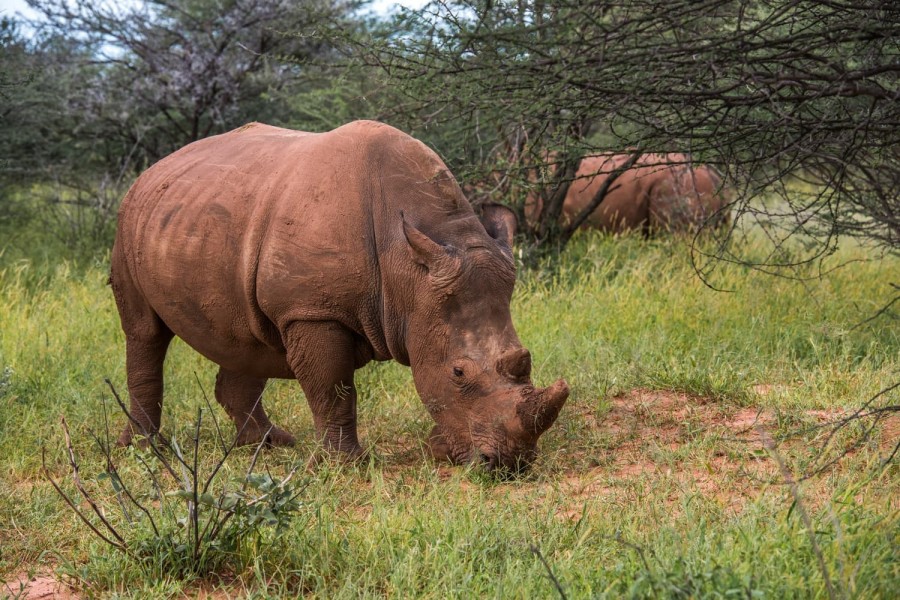
Chimanimani National Park offers excellent opportunities for nature photography. Mountains provide dramatic backgrounds throughout the region.
Waterfalls, forests, rivers, caves, and grasslands create diverse subjects.
Wildlife photographers can also search for antelope, monkeys, birds, reptiles, and butterflies.
Early morning light can enhance mountain landscapes. Mist can also create atmospheric images around forests and highland areas.
However, photographers should prioritize wildlife welfare and cultural respect.
Never disturb animals for a better photograph. Always ask permission before photographing local people.
Responsible photography strengthens the quality of the travel experience.
Best Time to Visit Chimanimani
Understanding Highland Weather
Chimanimani National Park remains suitable for visits during much of the year. However, travelers should consider mountain weather carefully.
Winter can bring very cold temperatures. High elevations can experience temperatures below freezing.
Warm clothing becomes especially important for early mornings and high-altitude hikes.
The best travel period also depends on your preferred activities. Hikers should consider trail conditions and weather forecasts.
Birdwatchers may prioritize periods with strong bird activity. Photographers can select dates based on preferred landscapes and weather.
Consequently, there is no single perfect travel period for every traveler.
A professional safari planner can help match travel dates with your interests.
Accommodation in and Around Chimanimani
Choosing the Right Base
Accommodation options around Chimanimani National Park remain relatively limited compared with major safari destinations.
Official park information lists Chikukwa, Mahate, Ndzow Camp, and camping at Nhahomba Gate.
Travelers should therefore plan accommodation early. Some experiences may require camping or basic facilities.
The remote character forms part of Chimanimani’s appeal. Travelers seeking luxury should understand that infrastructure differs from established safari destinations.
Those who value wilderness and adventure may find the simplicity rewarding.
At Terenga Africa Safaris and Travels Ltd, we match accommodation expectations with realistic destination conditions.

Chimanimani National Park
Chimanimani and Sustainable Tourism
Protecting a Fragile Ecosystem
Conservation remains central to Chimanimani National Park. The area contains valuable habitats and species with restricted distributions.
The wider conservation landscape also faces pressure from land-use changes. Conservation efforts therefore focus on protecting ecosystem integrity.
Tourism can contribute positively when communities benefit from visitor activity.
Local guiding, accommodation, crafts, food, and cultural experiences can create income opportunities.
Travelers can support this model through responsible choices.
Stay on designated trails where required. Avoid collecting plants, rocks, or cultural objects.
Keep waste away from rivers and natural areas.
Respect wildlife and local communities throughout the journey.
These simple practices help protect Chimanimani for future generations.
Combining Chimanimani With Other Mozambique Safaris
Creating a Diverse Journey
Chimanimani National Park can complement other Mozambique destinations. Travelers can combine mountain experiences with broader wildlife and coastal adventures.
Gorongosa National Park offers a stronger traditional wildlife focus. Its landscapes provide excellent opportunities for game drives and wildlife viewing.
After exploring Chimanimani, travelers can continue toward Mozambique’s coastline. Coastal destinations provide beaches, marine activities, and relaxation.
This combination creates a diverse Mozambique safari.
Travelers can therefore experience mountains, wildlife, culture, and beaches during one journey.
Longer itineraries also provide more time for local community experiences.
At Terenga Africa Safaris and Travels Ltd, we design routes around individual interests and available travel time.
Mozambique Wildlife Safaris in Chimanimani
Beyond Traditional Game Drives
Mozambique wildlife safaris often focus on large mammals and savanna landscapes. Chimanimani offers a different interpretation of wildlife tourism.
The park combines mountain habitats with specialized biodiversity. Birds, butterflies, reptiles, plants, and smaller mammals become important attractions.
Elephants and antelopes add larger wildlife encounters. However, sightings can vary with terrain and season.
A Mozambique wildlife tour through Chimanimani should therefore emphasize discovery.
Travelers can spend time exploring forests, mountains, rivers, and caves.
This approach suits visitors who appreciate nature in its broader form.
Chimanimani National Park
Planning Your Chimanimani Adventure Safari
Build Around Your Interests
Chimanimani National Park requires careful planning because of its rugged terrain and remote character.
Begin by identifying your main interests. Hiking, climbing, wildlife, birdwatching, culture, photography, and relaxation can all shape your itinerary.
Next, consider your fitness level. Mountain activities require suitable preparation.
Accommodation should also match your expectations. Basic camps can suit adventurous travelers, while nearby accommodation can provide additional comfort.
Transportation requires a capable 4×4 vehicle for park access.
A knowledgeable local guide can improve both safety and interpretation.
Therefore, professional planning remains valuable for a successful Mozambique adventure safari.
Safari Inclusions
- Airport transfers
- 4×4 safari transportation
- Professional safari guide
- Accommodation
- Meals
- Drinking water
- Park entrance fees
- Hiking activities
- Wildlife viewing
- Birdwatching
- Cultural experiences
- Village visits
- Government taxes
Safari Exclusions
- International flights
- Mozambique visa
- Travel insurance
- Personal expenses
- Alcoholic beverages
- Laundry services
- Tips
- Souvenirs
- Optional activities
- Specialized climbing equipment
- Personal medical expenses
- Additional accommodation

Why Choose Terenga Africa Safaris and Travels Ltd?
Experience, Expertise, and Trust
Terenga Africa Safaris and Travels Ltd creates personalized African travel experiences. Our approach combines destination knowledge, practical planning, and responsible tourism. We understand that Chimanimani requires a different safari approach. Travelers need realistic expectations about terrain, facilities, wildlife, and weather.
Therefore, we focus on honest itinerary planning. Adventure travelers can prioritize hiking and climbing. Nature enthusiasts can focus on birds, plants, butterflies, and photography. Cultural travelers can explore rock art and community traditions. Families can select activities suited to their interests and abilities.
We also recognize the importance of local communities in conservation. Tourism should create meaningful opportunities for people living near protected areas. Our Mozambique safaris therefore aim to connect travelers with nature while supporting responsible tourism.
Final Thoughts: Chimanimani National Park
Chimanimani National Park offers an extraordinary alternative to traditional African safari destinations.
Its mountains create dramatic landscapes. Its forests protect remarkable biodiversity. Rivers and waterfalls add beauty to the rugged terrain.
Mount Binga provides a memorable challenge for adventure travelers. Birdwatchers can search for distinctive highland species. Wildlife enthusiasts can encounter elephants, buffaloes, antelopes, monkeys, reptiles, and butterflies.
Meanwhile, cave paintings and ancient traditions reveal a deep human connection with the landscape.
Cultural experiences can include village visits, traditional food, crafts, storytelling, and community activities. These encounters add important depth to Mozambique safaris.
Responsible tourism remains essential. The park protects sensitive habitats and unique species. Communities also depend on natural resources and tourism opportunities.
Therefore, travelers should approach Chimanimani National Park with respect and curiosity.
A Mozambique safari here does not revolve around checking off a list of famous animals. It focuses on exploring a living mountain ecosystem.
For travelers seeking Mozambique adventure safaris, Chimanimani offers hiking, climbing, horseback riding, canoeing, photography, and birdwatching. For nature enthusiasts, its endemic plants and wildlife create valuable opportunities for discovery. cultural travelers, ancient rock art and community traditions add another layer of meaning. Ultimately, Chimanimani National Park brings together mountains, wildlife, culture, conservation, and adventure.